
In the demanding realm of current tactical settings, a uniform has grown well past simple attire. Now, it stands as a key element of survival tools. The worldwide defense apparel market faces a major change at present. This shift stems from political changes around the world and quick progress in fabric technology. For buyers in charge, state contractors, and gear sellers focused on tactics, gr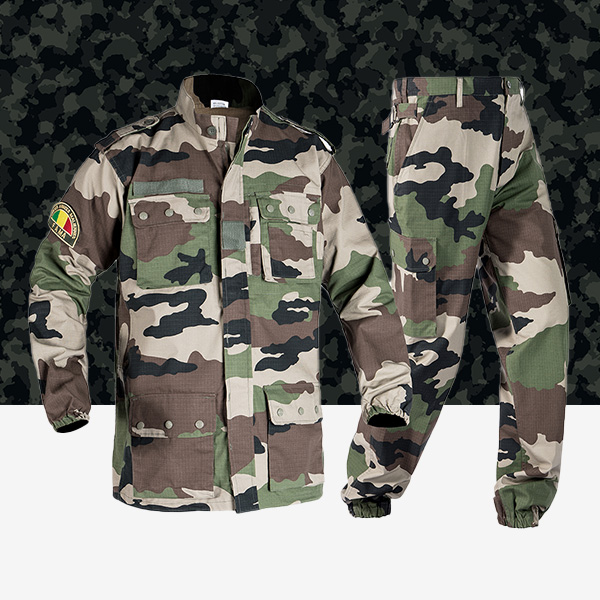 asping the details of this market holds the answer to making sure that teams have the tools that give them a clear benefit out in the area.
The success of a tactical group often relies on the standard and dependability of their equipment. This fact has drawn attention to the military camouflage uniform market and the broader trends in military equipment export.It shows the importance of capable fabrics that deliver both hiding and body safety. As funds for defense rise across nations, the need for focused clothing that can handle tough conditions in various areas—from the dry sands of the Middle East to the thick forests of sub-Saharan Africa—reaches its peak.
What Makes a Military Camouflage Uniform Tactically Superior?
Tactical advantage starts right at the threads of the cloth. In today’s military camouflage uniform market, the common measure in the field is the T65/C35 mix. This exact mix of 65% polyester and 35% cotton is designed to offer a solid match between lasting power and ease. The polyester brings strong pull resistance and guards against shrinking or creasing. Meanwhile, the cotton keeps the cloth airy and pleasant next to the skin over long tasks.
Past the core material, forward-thinking tactical outfits such as the G9 Frog Suit bring in special traits that matter a lot for today’s fights. These traits cover anti-static coatings to stop electronic issues. They also include UV guard to shield the user from strong sunlight. Plus, fire-resistant features prove essential in spots with blast dangers. For those working in damp or changing weather, tactical coats with a 1500MM water-resistant level create a needed shield from the weather. Yet, they do not give up on handling sweat inside.
To grasp the tech differences among different uniform kinds better, look at this side-by-side view of field-standard details:
| Uniform Type | Primary Fabric | Key Technical Features | Optimal Environment |
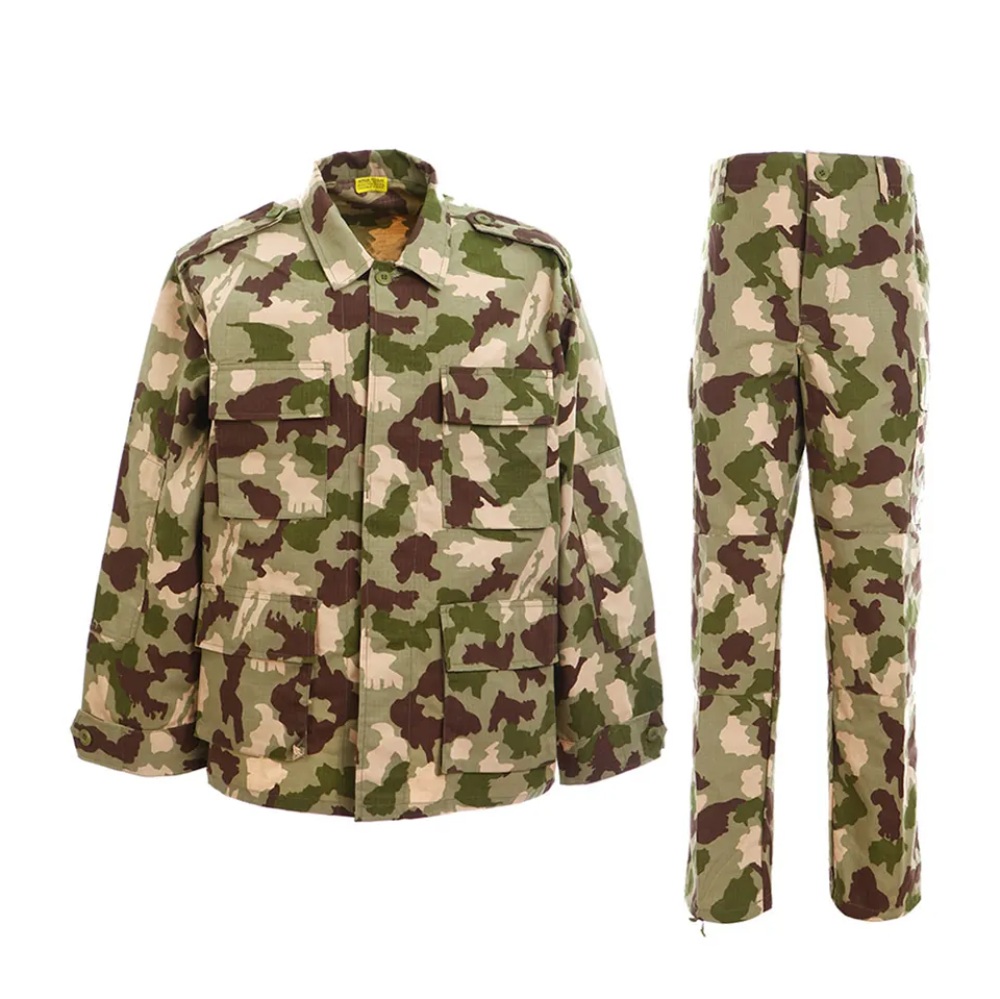
| Battle Dress Uniform (BDU) | T65/C35 Ripstop | High tear resistance, reinforced seams | General purpose, woods, desert |
| G9 Frog Suit | Flame Retardant Knit | Breathable torso, anti-static, UV-proof | High-intensity combat, armored crews |
| Tactical Waterproof Jacket | Composite Waterproof Layer | 1500MM waterproof rating, windproof | Cold, rainy, or mountainous regions |
| F1 French Military Style | Heavy Duty Twill | Reinforced elbows/knees, multi-pocket | African and European operations |
The way a uniform gets built forms the next main part of tactical advantage. A strong uniform needs to fit the body movements of the user. This means adding EVA cushions at the knees and elbows to avoid hits during moving on the ground or bending down. Also, the spots for useful pockets should make sense. That way, users can reach maps, talk tools, and health items fast.
Why Is Choosing the Right Military Camouflage Uniforms Factory Critical?
The steadiness of a supply line matters as much as the worth of the item. In an area where time can affect task results, teaming up with a trusted military camouflage uniforms factory proves vital for keeping teams prepared. A factory that runs its own production lines can promise steady checks on quality. Outside makers often fail to reach that level.
Jingming Trading has built a strong base in this field by aiming at big, self-run production. The plant covers more than 6,800 square meters. It employs over 200 trained making staff. This setup handles large orders well. At the same time, it sticks to firm quality rules. Such building work sets apart a regular provider from a top player in the defense apparel market.
Handling stock counts as another point that marks a leading wholesale military camouflage uniforms factory. In the business-to-business area, the skill to meet orders soon gives a big edge over others. Keeping a 5,300-square-meter storage space with more than 100,000 ready items allows quick answers to pressing buy needs.If a state group wants fast sending of BDU groups or a tactical seller must refill common camo designs, having each camo uniform set to ship cuts down risks from making holdups.
How Does Quality Assurance Impact Mission Success?
In the defense apparel market, checking quality goes beyond company rules. It acts as a safety rule. Each thread and join must hold up under great body strain. A break in a uniform’s strength during a tactical task is not only a hassle. It can turn into a weak spot.
The check process at a skilled military camouflage uniforms factory begins well before the end item gets packed. It starts with verifying samples before full making. This confirms that all the cloth and build parts match what the buyer asked for. Then come tough reviews during the stitching and putting-together steps. In the end, a full quality review happens before sending out.
Openness plays a key role in this method. In the current worldwide market, many buyers cannot go to plants face-to-face. So, giving clear proof via full pictures and clips of the done items builds a link of faith. This way, the wholesale military camouflage uniforms factory stays responsible for each piece made. It makes sure that what arrives matches exactly what was agreed on.
What Are the Essential One-Stop Tactical Products for Modern Units?
A current tactical group needs a full plan for tools. The uniform forms the base. But it requires backing from a set of matching gears. A provider that gives a single-point fix cuts down the trouble of buying. It also makes sure all tools work together in shade, hiding style, and using links.
Past the wide choice of outfits like the BDU camo, F1 French Military style, and Frog Suits, a few other groups prove key for a whole tactical setup:
Tactical Footwear: Tall combat shoes built for ankle hold and airy walking shoes for far travel form basics for stopping foot harm and tiredness.
Personal Protection: Level 2 bullet-safe head covers and buildable tactical chest pieces with MOLLE setups let users adjust their carry power based on the task’s exact wants.
Logistics and Sustenance: Big 45L walking packs prove needed for holding main supplies. Special water pack carriers make sure drink access stays easy during hard work times.
Field Equipment: This covers grip-safe tactical hand covers with joint guards, strong tactical waist bands, and even movable rest beds made from 600D PVC-covered polyester for healing during area posts.
Why Is OEM/ODM Customization the Future of the Defense Apparel Market?
Each armed force and law group has special needs tied to their work area and group mark. This has caused a rise in calls for OEM (Original Equipment Manufacturer) and ODM (Original Design Manufacturer) help in the military camouflage uniform market. The skill to adjust an item to fit certain samples or tech sketches is no longer an extra choice. It stands as a must for top defense deals.
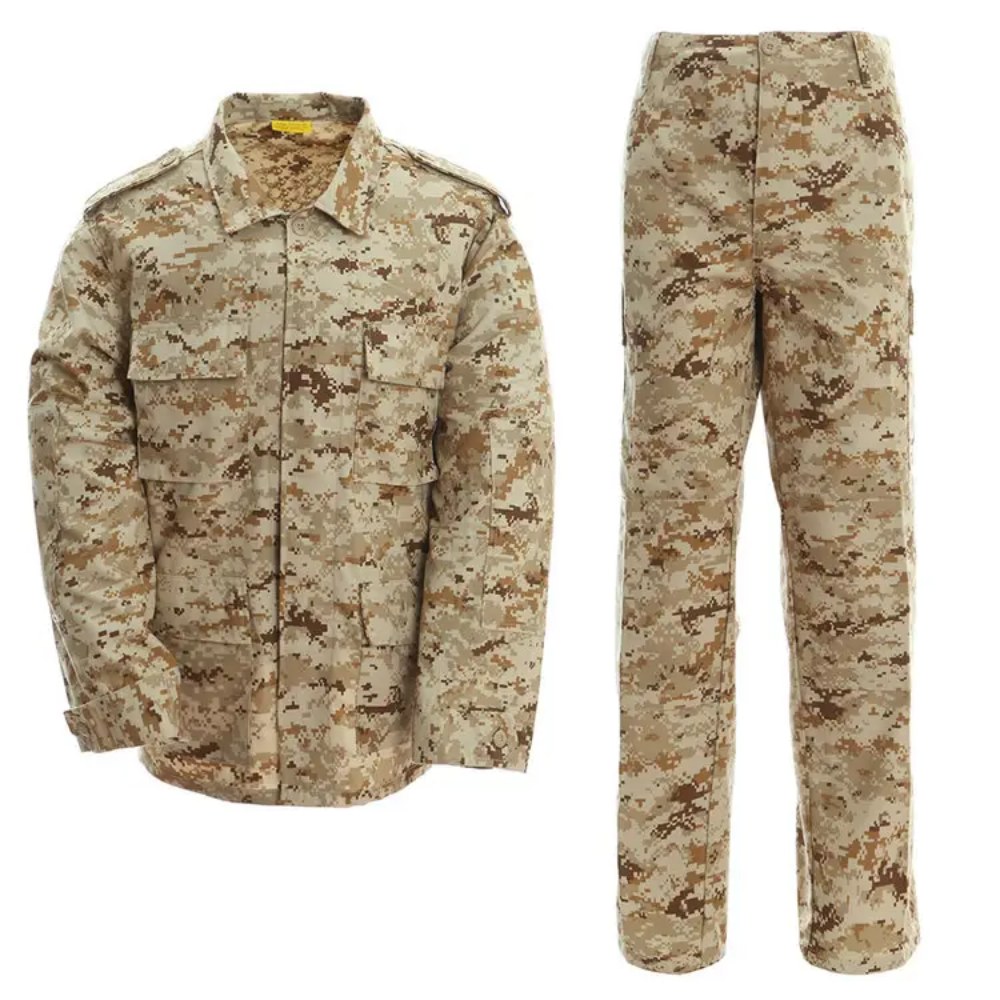
Adjusting lets in special hiding designs, exact pocket setups, or adding stick panels for group signs and ID. For instance, formal head pieces like Berets or focused police covers can be shaped to fit the past and mark of a certain group. This bend, along with a huge yearly output of close to twenty million sets, lets a plant serve both small, focused teams and big country defense groups.
On top of that, the defense apparel market seeks more “group mark” tools. Tailored signs, set shades for city or dark tasks, and buildable add-ons all form part of the shaping work that current plants must handle to stay useful.
Conclusion
The military camouflage uniform market forms a key area that touches directly on the safety and workflow of tactical users around the world. From the careful pick of T65/C35 cloths to the large setup skills of a wholesale military camouflage uniforms factory, each part of the supply line must fit together to back the front lines. Putting funds into strong defense apparel is not just about buying. It is about giving the steadiness and shield that current key figures earn. By picking a teammate with a proven past, wide stock, and a promise to standard, groups can make sure they stay set for the tests of the days ahead.
FAQ
What fabric standards are most common in the military camouflage uniform market?
The usual measure in the military camouflage uniform market is the T65/C35 mix, made of 65% polyester and 35% cotton. This cloth gets picked for its tear-stop lasting, air flow, and color hold. In more focused parts of the defense apparel market, clothes may also cover fire-stop threads, anti-static coatings, and strong water-stop layers.
Why is Jingming Trading considered a top-tier tactical supplier?
Jingming Trading gets seen as a frontrunner since it joins building, making, and selling in one place. Started with ties going back to 2003, the firm runs its own military camouflage uniforms factory. This keeps quality steady and under control. With a 5,300-square-meter storage and 100,000+ items in ready stock, they give fast shipping skills and shaping help that matter for long-run state and armed forces worldwide.
What customization options are available at a wholesale military camouflage uniforms factory?
A wholesale military camouflage uniform factory often gives wide OEM and ODM help. This covers making outfits from buyer-given samples, building one-of-a-kind hiding designs, and adding custom stick add-ons for marks. Buyers can also ask for set changes to tactical tools, like added padding in Frog Suits or special pocket plans in BDU sets. This allows for a shaped fix that fits the exact tactical needs of various defense apparel market parts.



