
Protective gear selection becomes messy when buyers mix helmet terms, vest styles, game searches, and real field requirements in one conversation. This guide keeps the path practical: define the threat, separate head and torso protection, check fit and modularity, and confirm which details belong to the exact helmet or vest being purchased.
Protective Gear Starts With the Threat Scenario
A helmet, vest, or carrier is only useful when it matches the risk profile. Riot control, patrol security, training, outdoor field work, and ballistic protection place different demands on shell material, coverage area, weight, accessory mounting, and wearer comfort.
Searches such as dayz press vest vs plate carrier or stag vest vs plate carrier show how often tactical language is borrowed from games or communities. That interest can start useful research, but professional buyers still need real product evidence before making a procurement decision.
Helmet protection and vest protection are not interchangeable
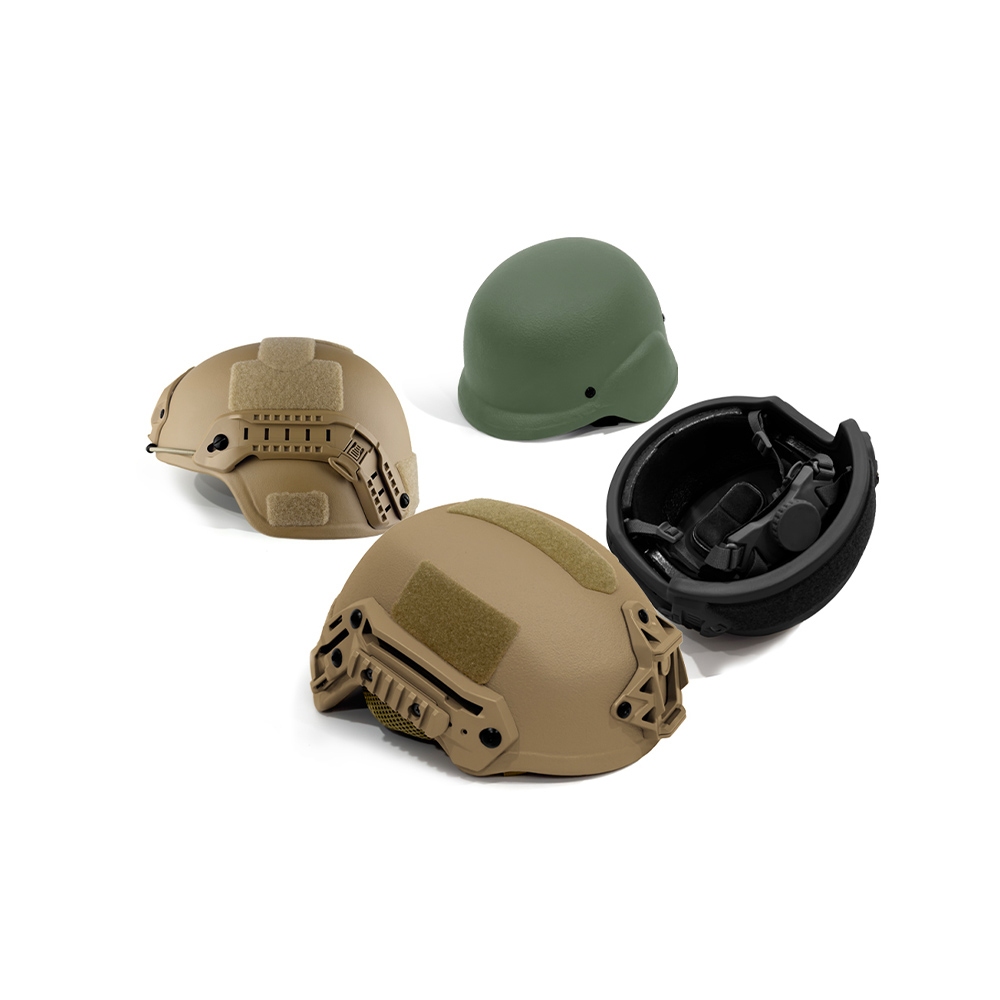
A BDU helmet search may point to a uniform-style loadout, but head protection must be evaluated as its own product. Jingming Trading’s FAST bulletproof helmet uses PE bulletproof material, Wendy suspension, spot inventory, one-size configuration, 1.6 kg weight, and accessory-ready side splints, top Velcro, and front buckle.
The riot-helmet option sits in a different lane. Its FAST Wendy fiberglass riot helmet uses fiberglass, Wendy suspension, one-size configuration, 1.56 kg weight, anti-strike protection, adjustable internal suspension, accessory mounting points, and internal sponge pads. Those facts should not be blended into the ballistic helmet specification.
Vests Need Fit, Access, and Load Discipline
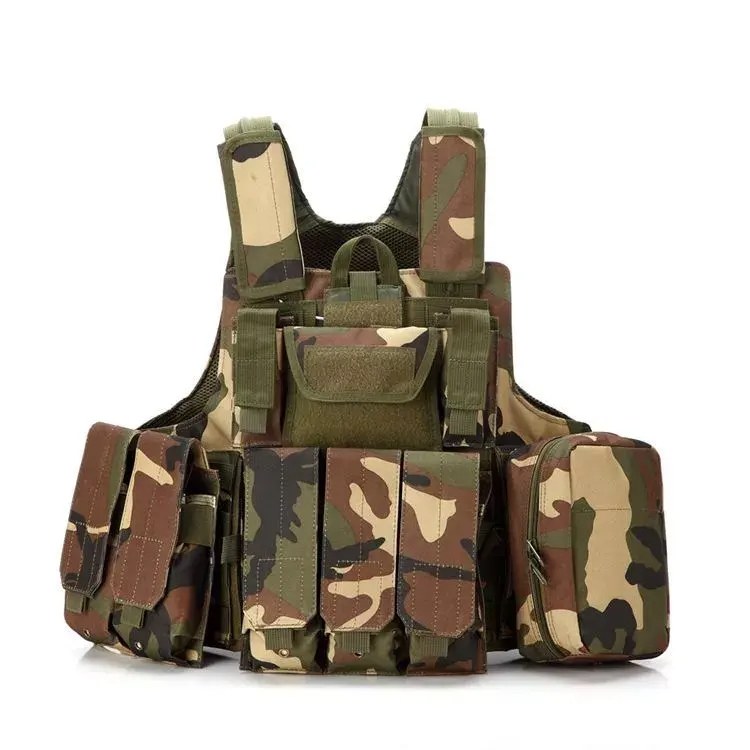
A tactical vest should be assessed through use, not appearance. Security staff may need long-wear comfort and fast access to radios or first-aid items. Field users may need modular pouches and optional plate capacity. Buyers should avoid treating every camouflage vest as protective armor.
A practical security vest setup begins with the platform. Jingming Trading’s quick-wear tactical vest uses 1000D nylon, a modular structure, breathable cotton mesh lining, thickened inner pads, Velcro for logo matching, and an inner lining that can be opened for a bulletproof plate.
Plate carriers answer a different question
A plate carrier is chosen when rigid protective plates are part of the plan. A load-bearing vest may focus more on pockets, pouches, and weight distribution. When buyers compare vest names, the important questions are whether the product accepts plates, how quickly it can be worn, and whether accessories can be attached without weakening movement.
The phrase dayz press vest vs plate carrier can be useful as a search bridge, but it should not decide a real order. Professional buyers should translate that curiosity into concrete checks: plate compatibility, material, coverage, accessory layout, and sample confirmation.
Standards Help, but Product Scope Still Matters
Independent standards give buyers a shared language for ballistic-resistant equipment. NIJ body-armor and ballistic-protection standards distinguish threat levels and testing expectations, which helps procurement teams ask better questions about claimed protection. A standard reference should be matched to the product type and the intended market.
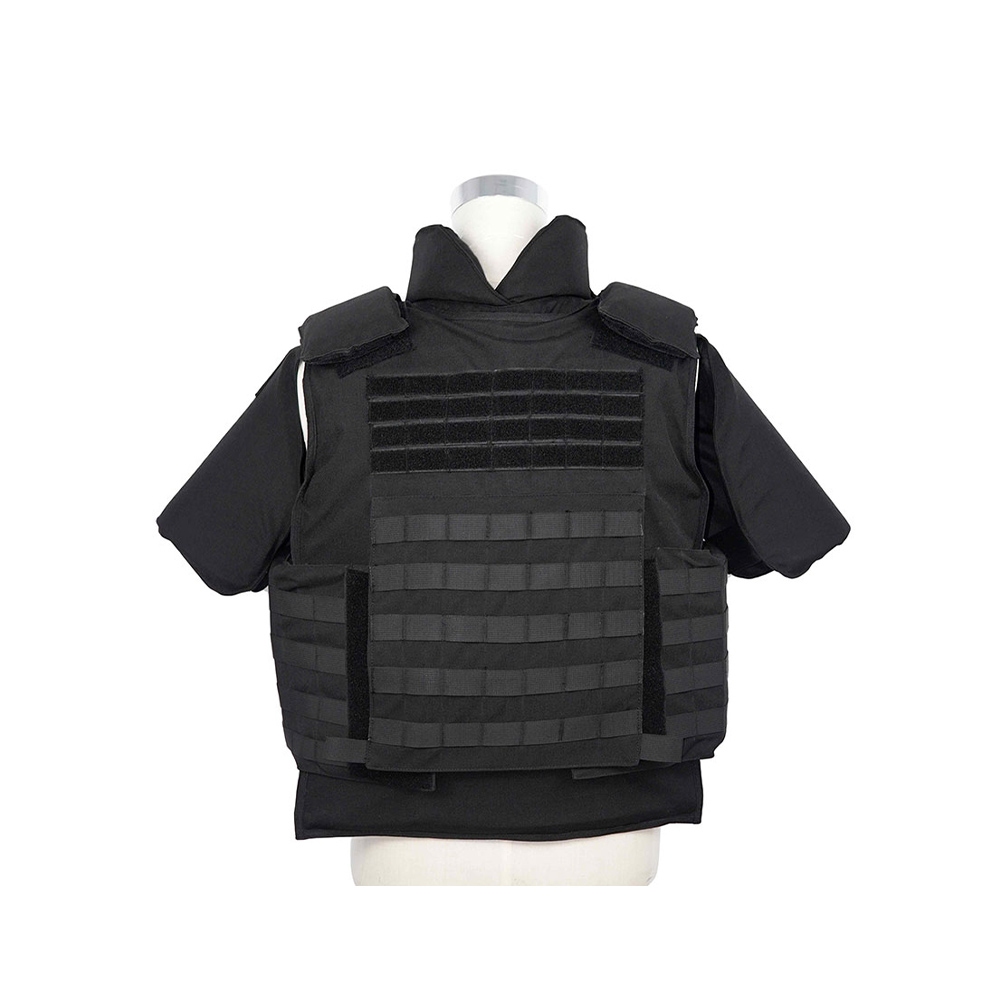
For Jingming Trading’s supplied protective range, the useful product facts are narrower: the full set of bulletproof vests uses a 1000D Oxford outer layer, aramid or PE UD inner layers, an EVA layer, 0.28-0.55 square meters of protective area, one-size configuration, 2.6 kg weight, and modular removable parts.
The FAST bulletproof helmet lists PE material, 8-12 mm thickness with 0.3 mm tolerance, 0.1-0.12 square meters of protected area, and accessory expansion points. Those facts support a helmet discussion, while the vest facts support torso protection and load carriage.
Buyer Checks Before Sampling
A clean sampling request prevents vague protective-gear quotes. Buyers should name the risk environment, required product type, quantity range, color or camouflage pattern, logo needs, packaging, and whether the order is for stock wholesale or customization.
Confirm whether the order needs a ballistic helmet, riot helmet, tactical vest, plate carrier, or full bulletproof vest.
Ask for material, weight, protected area, size, and accessory compatibility for each product.
Keep sample photos and videos tied to the exact SKU, color, and configuration.
Separate real protective claims from game-inspired or style-focused search language.
Separate Terms Before You Compare Gear
The practical selection rule is simple: define the threat first, then compare helmets, vests, and carriers by the function they actually serve. Helmet shell material, suspension, protected area, and accessory points belong in one evidence lane; vest fabric, liner, plate access, modularity, and comfort belong in another.
For helmet, vest, and protective-gear orders that need sample confirmation or configuration discussion, Jingming Trading can help turn the selection checklist into a clearer inquiry through the contact page.
FAQ
Is a tactical helmet the same as a ballistic helmet?
No. A tactical helmet may refer to style, accessory mounting, or general head protection. A ballistic helmet should have material and protection details that match the buyer’s risk scenario and compliance needs.
What is the main difference between a vest and a plate carrier?
A vest may focus on storage, modular pouches, and comfort, while a plate carrier is built around carrying protective plates. Some tactical vests include plate-pocket access, so buyers should confirm the exact construction.
How should buyers use game-related search terms?
Game-related terms can reveal common comparison questions, but they should be translated into real product checks. Material, fit, plate compatibility, protected area, and sample evidence matter more than the game label.
Which product facts should stay separate?
Helmet material, thickness, suspension, and protected area should stay with helmet selection. Vest outer fabric, inner layers, modular parts, and weight should stay with vest or carrier selection.
When is a full bulletproof vest more suitable than a tactical vest?
A full bulletproof vest is more suitable when torso protection is the main requirement. A tactical vest may be better when the buyer mainly needs load carriage, pouches, and flexible equipment organization.



