
Boot names suggest a use, but a label alone does not tell a wholesaler how a pair will behave on a trail, work route, or long shift. Compare the construction: how the upper holds the foot, how the sole meets the ground, how much support is needed, and how the boot dries and settles in.
That is why combat boots vs hiking boots is not a choice between two fixed categories. A tactical boot may borrow hiking features, while a hiking boot may be a poor fit for duty movement or protection needs. Match construction to conditions, then use the label as shorthand.
Why labels can mislead before you compare boots
Category language overlaps because catalogs describe the same pair from different angles. Jingming Trading’s Tiger Wolf Boots page uses “Mid-top tactical boots,” lists “Military boots” as the product type, and names tactical training, outdoor hiking, and daily commuting. It is a page-level example, not a universal definition.
The better starting point is the operating question. A buyer should ask whether the wearer needs steady support on uneven ground, quick movement on mixed surfaces, protection from sharp contact, or comfort during repeated walking. Those answers determine which construction details deserve attention and which label can be ignored.
Performance requirements also make a stronger comparison than material names alone. A National Institute of Standards and Technology Army boot project discussed activity fit and testable performance such as durability and strength, impact attenuation, puncture resistance, and water absorption or drainage. That approach is useful for commercial evaluation because it keeps the conversation tied to what the boot must do.
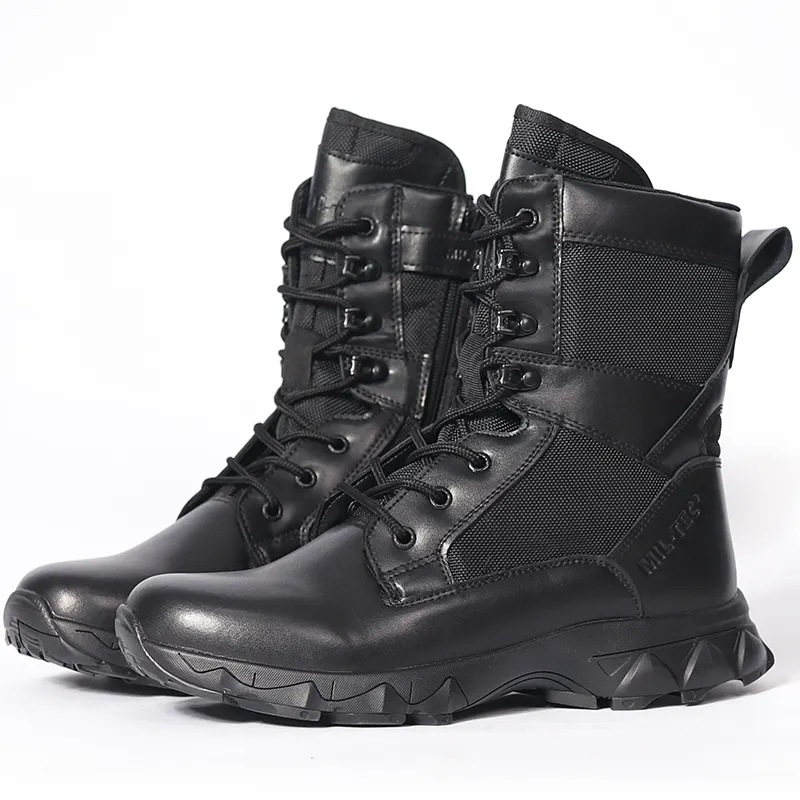
How construction changes the job a boot can handle
The upper, sole, ankle area, and moisture path work together. A structured upper can hold shape under repeated movement, while a lighter build may feel easier over long walking. Tread depth changes grip on loose ground, so support, flexibility, and protection must be balanced.
| Construction area | What it changes | Wholesale implication |
| Upper and closure | Controls how firmly the foot is held and how the boot flexes | Match structure to movement, load and required protection. |
| Outsole and tread | Shapes grip and ground feel across dirt, gravel, pavement or wet surfaces | Check the actual surface pattern instead of assuming every “tactical” sole behaves alike. |
| Ankle construction | Changes the amount of coverage and guidance around the ankle | Choose support for the route and wearer; height alone is not a proof of fit. |
| Lining and drying path | Affects heat, moisture and recovery after wet use | Ask how the boot will dry in the real operating cycle. |
| Break-in and flex | Influences early comfort and how quickly a range can be used | Allow time for fitting and trial before a large repeat order. |
This framework keeps comparisons honest. It does not assign a universal weight, ankle angle, or durability threshold to a boot category. Those values belong to a specific model and test method, so a buyer should request them only when the product documentation supplies them.
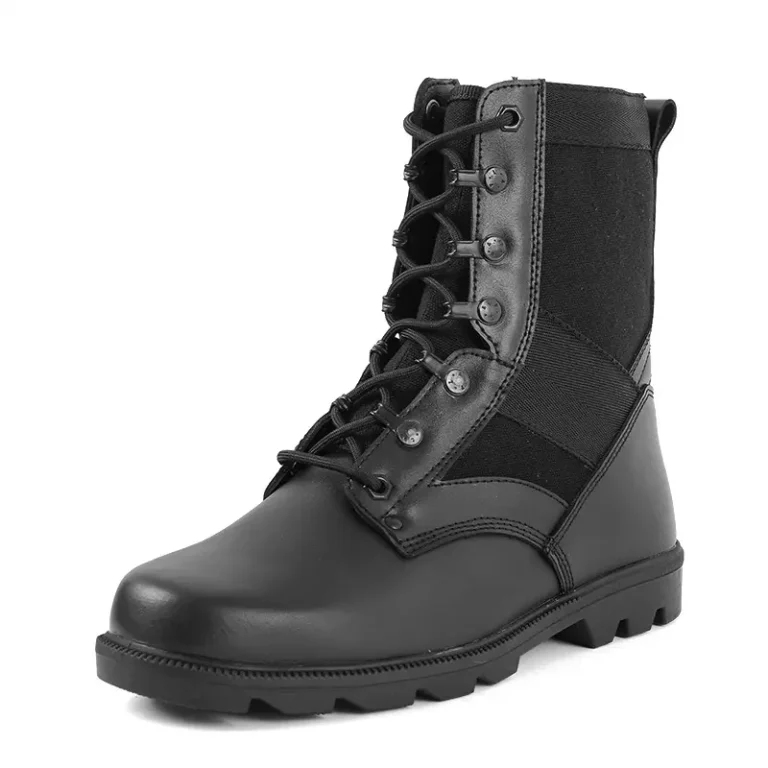
Which construction fits terrain and duty
Terrain should be checked before a category is chosen. The U.S. National Park Service gives a clear example: sturdy hiking boots with rubber soles and ankle support for dirt and gravel trails, while tennis shoes may be sufficient on paved urban pathways. The point is not that one boot wins everywhere; the point is that the surface changes the requirement.
For a mixed route, compare the longest or most demanding section rather than the easiest first step. A wholesaler evaluating tactical boots vs hiking boots should ask whether the customer’s day is mostly pavement, loose gravel, wet ground, or uneven off-trail movement. The same questions apply when reviewing military boots vs hiking boots as a use-case comparison.
Load and duty rhythm add a second filter. Repeated carrying, quick turns, kneeling, vehicle work, and long steady walking can favor different balances of support and flexibility. If the route is mainly recreational and uneven, the NPS example points the buyer toward a sturdy rubber-soled hiking construction. If the work pattern changes rapidly, the buyer should compare the complete performance brief instead of treating a “military” label as proof.
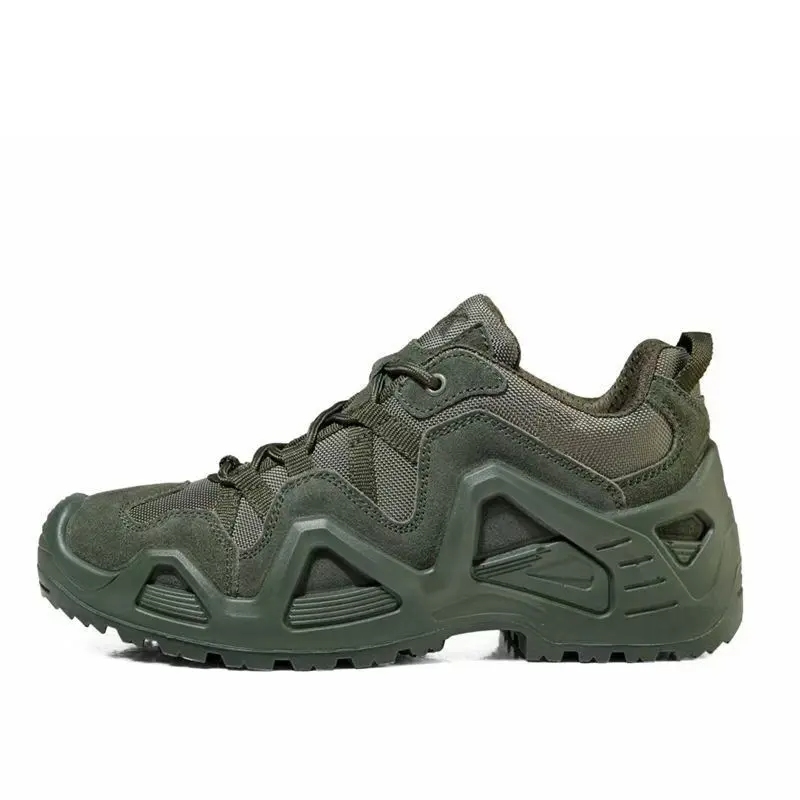
What a wholesale range should verify
A useful wholesale assortment groups products by the conditions they are meant to serve, then verifies the details that make that grouping credible. The check should cover intended terrain, support expectations, tread behavior, moisture recovery, flex, protection needs, and the time available for fitting and break-in. It should also separate documented product facts from general category language.
Jingming Trading’s catalog shows why this discipline matters. The Tiger Wolf page combines a tactical category with a military-boot product type, while the VW Hiking Boots page uses a low-top tactical category and the same military-boot product type. These examples help a buyer explain catalog overlap, but they do not replace a model-specific review of route, load or climate.
For a range review, keep three records together: the customer use case, the construction evidence, and the reason a model was included. A page such as hiking boots vs military boots can support the comparison path, but the final stocking decision still needs the current product information and the customer’s actual operating conditions.
A practical selection rule
Start with the surface, duty rhythm and load. Then decide how much support, grip, protection, breathability and flexibility the wearer needs, and check whether the construction can deliver those priorities together. Use combat, tactical or hiking as a useful catalog label, but let the operating conditions make the final match.
For wholesalers, this rule reduces category confusion and makes assortment discussions easier: each boot earns its place by answering a specific use case, while every claim about performance stays tied to the model and evidence that support it.
FAQ
What is the main difference between combat boots and hiking boots?
The practical difference is the job they are expected to support. Compare terrain, movement, protection, support and moisture needs instead of treating either name as a complete specification.
Are tactical boots suitable for hiking?
They can be suitable for some hiking conditions when the tread, support, flex and moisture behavior match the route. A category label alone cannot confirm that fit.
Do high boots always provide better ankle support?
No single height proves support. Review the boot’s actual structure, fit and intended use, then test it with the socks and movement pattern the wearer will use.
How should wholesalers compare boot constructions?
Begin with the customer’s terrain and duty rhythm, then record the construction evidence, test information and fitting requirements for each model. Keep undocumented performance claims out of the comparison.
How long should a buyer allow for break-in?
Break-in time varies by construction, fit and wearer. Plan a controlled trial before a large repeat order and confirm comfort during the longest expected walking period.



