
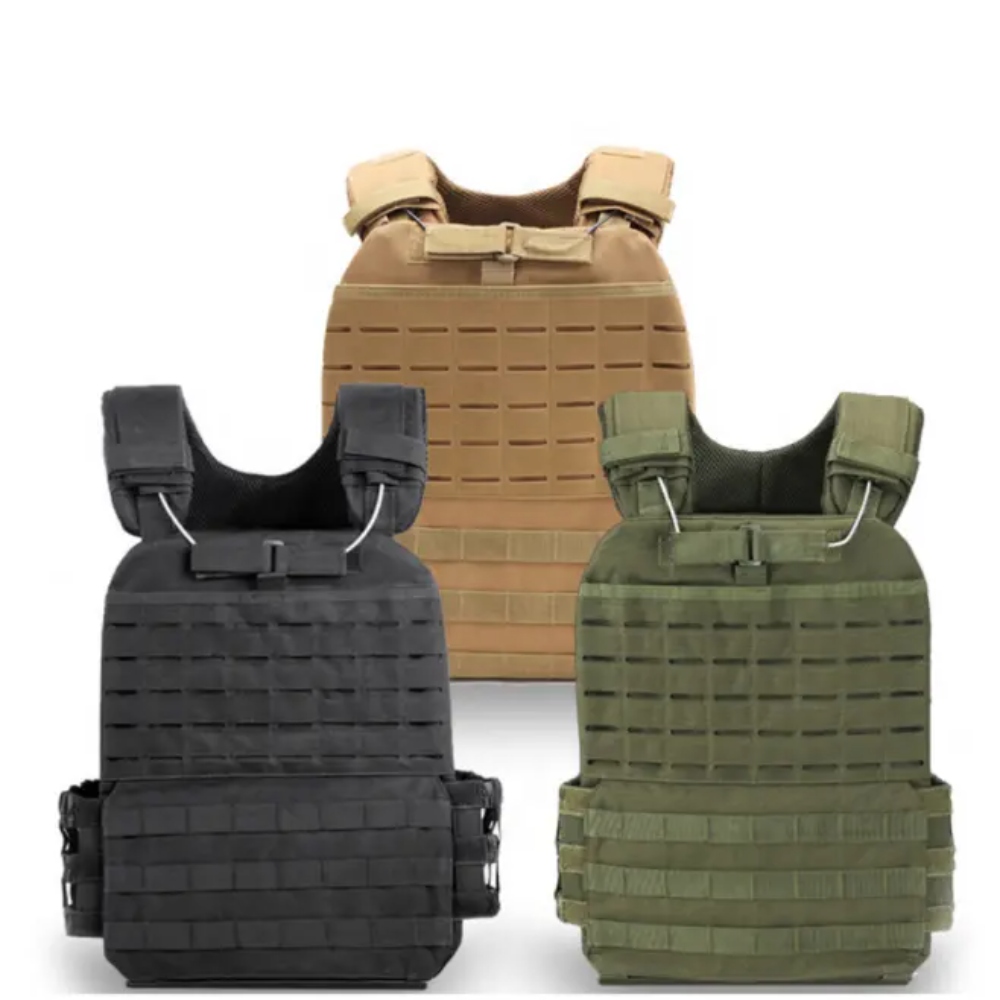
Picking the proper load-carrying gear can mark the line between task achievement and bodily tiredness. Plate carriers and tactical vests both play key roles in outdoor tasks. However, they fulfill separate roles depending on the degree of safety and movement needed. Grasping the difference plate carrier vs gilet tactique marks the initial move toward refining your task-tailored setup.
What is the Core Difference Between a Plate Carrier and a Tactical Vest?
The basic plate carrier vs tactical vest discussion focuses on the mix of bullet safety and item holding. A plate carrier serves as a focused tool made mainly to secure firm bullet plates. These plates come into play in risky settings where defense from rifle-size bullets becomes required. For example, a complete group of bulletproof vests in the military equipment export market might feature an outside cover of 1000D Oxford fabric paired with an inside layer of 24, 28, or 36 UD layers of aramid or PE.
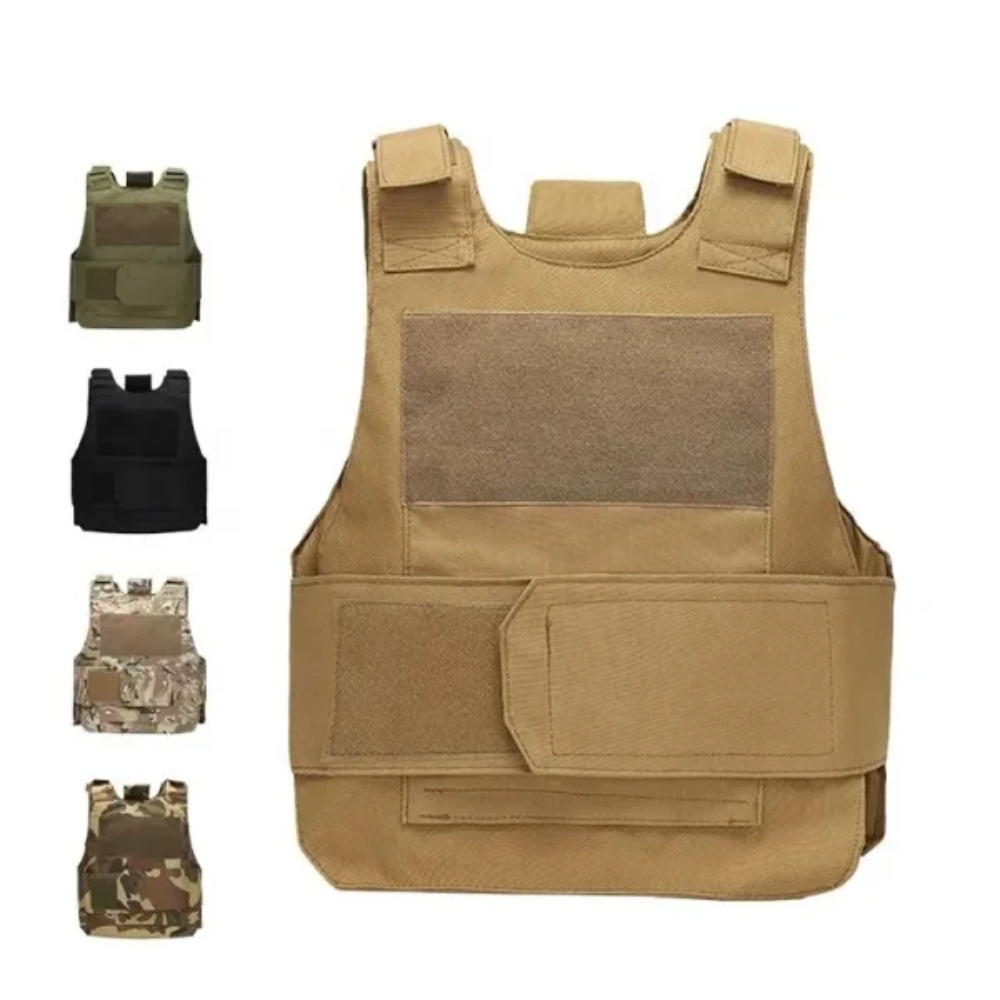
On the other hand, a tactical vest stresses item arrangement and easy-reach access for situations where bullet safety does not rank as the main worry. These military tactical vests tend to weigh less overall. They put storage first for clips, radios, and health kits. While a plate carrier might tip the scale at over 2.6kg even without plates added, a tactical vest gets tuned for fast putting on and taking off.
| Technical Specification | Plate Carrier (Bulletproof Vest) | Quick-Wear Tactical Vest |
| Main Material | 1000D Oxford/Nylon | 1000D Nylon |
| Weight | 2.6kg (Shell only) | Varies by configuration |
| Protective Insert | UD Layer (Aramid/PE) | Breathable cotton mesh |
| Primary Feature | Ballistic/Riot-proof | Modular/Expandable |
| Best Use Case | High-threat combat | Tactical training/Security |
Why Does Protection Level Dictate Your Choice?
The pick between these setups often hinges on the exact bullet dangers in the armed outdoor tasks you face. High-risk defense calls for a setup that fits armor plates in the front, rear, and at times the sides. Advanced setups even add bullet-safe inserts within the neck section and lower body triangle plates. This helps cover an area from 0.28 to 0.55 square meters.
When looking at gilet tactique differences, flexible defense holds a big part. A plate carrier usually permits a buildable full-body design that breaks apart easily. This lets you change the bullet lining based on the risk degree. Yet, if the task requires light movement for pace and air flow, armor might drop to a lesser focus. In such cases, a tactical vest with added thick cotton cushions and airy net lining offers the needed ease for extended walks. It does so without the limiting load of solid armor.
How Do Modular Systems (MOLLE) Enhance Field Efficiency?
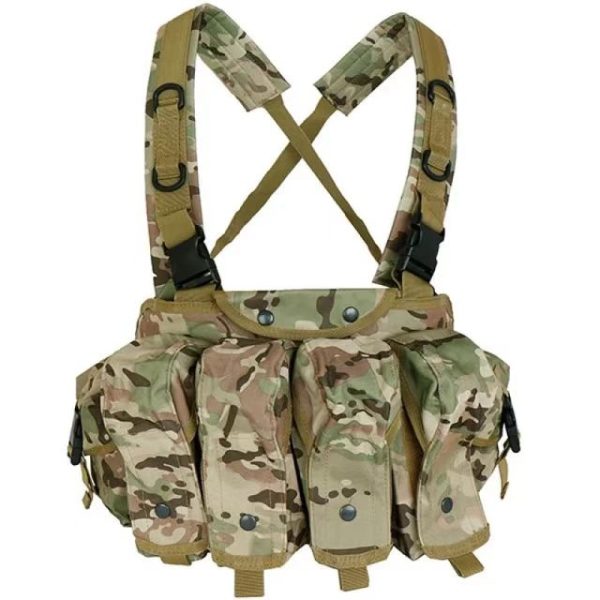
Current military tactical vests depend a lot on buildable plans, commonly known as MOLLE systems. These allow complete tailoring to fit certain task demands. This bend lets you join and set up add-ons like clip holders, health sets, and tool carriers freely.
- Full-circle openings and stick areas on the front of your custom tactical vestlet you match your sign or fix task-needed items freely.
- Linking your vest to a nine-part belt group makes sure heavy tactical items are spread across your midsection and upper body.
- Growing designs mean one vest can shift from a basic scout setup to a strong load plan.
- For single-point buy ease, pairing these vests with tactical packs of 34L to 45L sizes makes sure all post gear stays within reach.
The practical holding of a buildable vest often beats the set pocket styles of outdoor coats. While an M65-filled coat or a flyer coat gives upright and concealed pockets for heat and space, they miss the quick re-setup that a buildable tactical vest provides.
What Features Should You Look for in a Military Tactical Vest?
Lasting strength stands as the must-have rule for any outdoor item. Strong military tactical vests are built from rip-proof fabrics like 1000D Nylon to endure the demands of armed outdoor tasks. Ease ranks just as high, especially for ongoing use. Seek vests with improved thick rear cushions and flexible sizing to avoid weariness.
Simple handling can save lives as a trait. A “one-pull” fast-on and off build proves key for quick setup or in urgent cases where a vest needs removal soon. Also, air flow counts as a main element in the difference plate carrier vs gilet tactique. Since plate carriers cover more ground and hold thick plates, they can hold in notable warmth. To fight this, a top light tactical vest adds airy cotton net into the cover to control heat during strong body effort.
How to Match Your Gear to Specific Field Scenarios?
The setting of your task sets your outfit and vest pick. For armed drills, choosing the right hiding pattern—such as F1 jungle or BDU groups—holds importance for ground blending.
- Long-Range Patrols:Put weight spread first. A 45L big-space pack with a built-in 3L water carrier setup proves vital for drink and survival item holding.
- Urban Operations:Tall tactical shoes with grip rubber bottoms and ankle backing are needed for moving over stone and debris.
- Jungle Operations:Airy and rip-proof outfits like the G9 Frog Suit, which has EVA cushions on the limbs and knees, guard against rough plants.
- Security & Riot Control:Guard items like a FAST Wendy fiberglass riot head cover give the hit resistance required for anti-riot cases.
Why Choose Guangzhou Jingming Trading for Your Tactical Equipment?
When getting tools, the trustworthiness of the maker ranks highest. Guangzhou Jingming Trading, started in 2013, acts as a current firm that blends building, making, and selling. With a plant space of over 6,800 square meters and a staff of more than 200 workers, they promise steady shipments and solid quality marks.
The firm keeps a storage of 5,300 square meters with over 100,000 ready stock pieces. These range from hiding outfits and armed shoes to bullet-safe head covers and vests. Holding long-run and steady partner ties with many African states and armed forces, they know the strict needs of global defense. They focus on giving OEM/ODM help for tactical and guard items. This lets you supply a sample for custom making to fit the exact task’s needs.
Conclusion
Knowing the plate carrier vs tactical vest split helps users pick the best tool for their area. Whether you need the bullet safety of a full bulletproof vest or the nimble arrangement of a fast-wear tactical vest, putting material worth, buildability, and air flow first proves key. By pairing your items—including shoes, packs, and outfits—to the clear calls of your work zone, you secure both safety and top task output.
FAQ
What are the main gilet tactique differences when comparing budget vs professional models?
Top models, like those from Jingming Trading, employ high-thread fabrics such as 1000D Nylon and strengthened joins. Lower-cost models frequently use weaker cloths that lack rip-proof and sun-proof traits. This leads to quicker breakdown in the field. Top vests also have buildable parts that link well with usual add-ons.
How do I ensure the quality of a plate carrier vs. a tactical vest before a bulk purchase?
We confirm quality via a strict method. We always give pre-made samples for checking. Also, we run a last review before each send. For buyers abroad, we gladly offer clips and images of samples or done items. This makes sure they match your tech details before leaving our plant.
Can I customize the protection level of my military tactical vests?
Yes, we focus on giving OEM/ODM help for tactical and guard items. For plate carriers, the inside bullet lining can break apart and swap freely. This allows you to tune the safety grade to the risk level of your task.
What is the lead time for a sample order of gilet tactique or other gear?
We back a 7-day sample send cycle for most standard items. These include armed outfits, tactical vests, and fight shoes. This lets you check material worth and design fast before a full order.



