
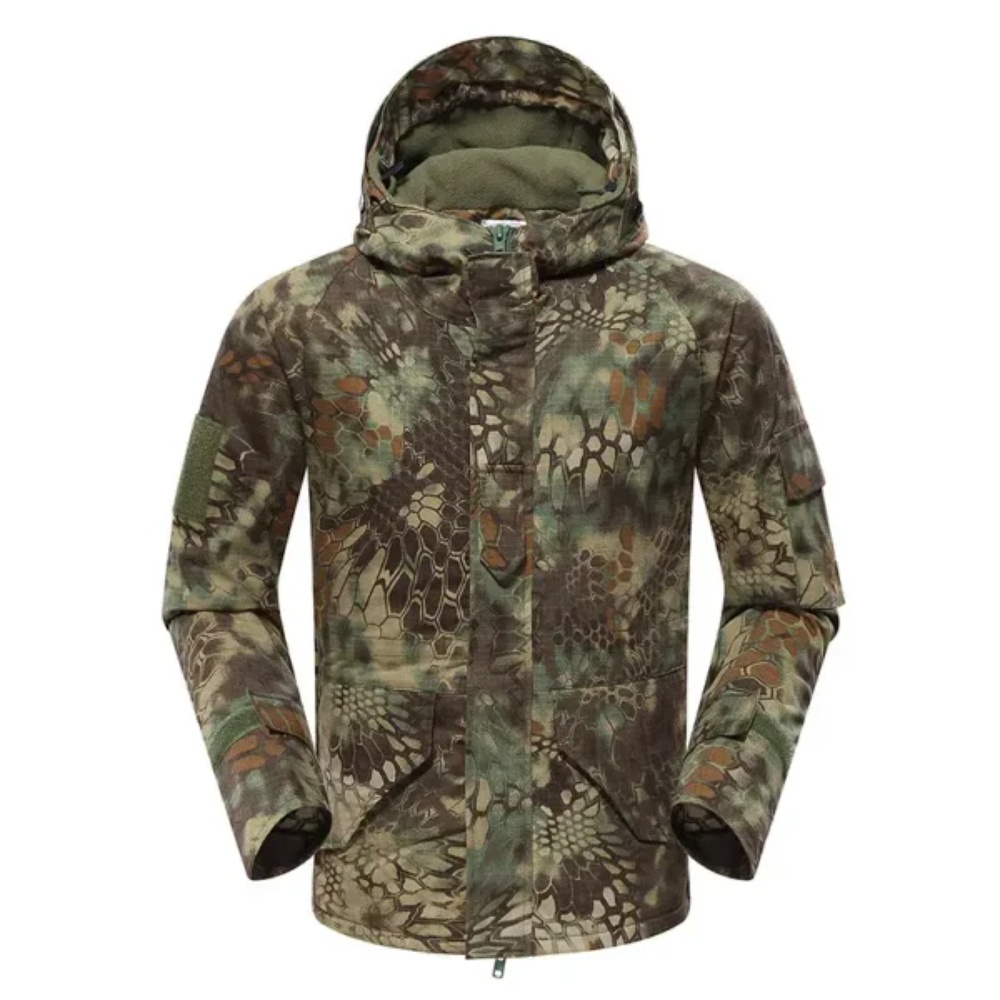
Tactical missions, security tasks, and wilderness trips all require gear that works well under shifting weather conditions. Among the most vital items of tactical clothing, military camouflage jackets serve a crucial purpose in hiding, safety, and movement. Still, not every camouflage jacket provides the exact same degree of usefulness.
The true value of a military field jacket relies on much more than just its visual pattern. Material makeup, weather defense, toughness, pocket space, and physical layout all affect how well the item performs in woods, dry lands, high peaks, or city spaces. Grasping these details helps purchasing managers, dealers of wholesale tactical gear China, and outdoor equipment shoppers make smart buying choices.
What Are the Essential Features of Effective Military Camouflage Jackets?
A top-notch camouflage jacket pairs hiding skills with actual usefulness in the wild. Current tactical operators need clothing that stays cozy during lengthy missions. At the same time, it must stay tough under rough situations.
A few core traits shape overall success:
- Air-flowing material that cuts down on trapped heat
- Rip-proof build for rocky or rough grounds
- Water-blocking defense against heavy rain and dampness
- Sunlight shield for long hours outside
- Plenty of holding pockets for vital mission tools
- Changeable sleeve ends and zips for weather shifts
- Extra-strong stress spots for better lasting power
The newest military camouflage uniforms often blend lighter materials without losing safety. This smart mix boosts free movement. It also lowers tiredness during drawn-out tasks.
Why Does Camouflage Pattern Selection Matter in Different Environments?
Hiding success relies heavily on matching the surroundings. A design made for thick woods acts quite differently in dry sandy areas or city streets.
Wooded and leafy spots need hiding designs showing dark greens, deep browns, and shady shapes. These blend smoothly with local plants.
Dry sandy tasks gain from paler tones. These include light brown, pale sand, and soft dirt colors. Such designs help break up a person’s shape against wide open spaces.
High rocky zones demand mixed color groups. They must match stone shapes, thin plant life, and height-based land shifts.
City tactical events now often use pixel-style hiding designs. They mix well with hard concrete, steel blocks, and shadow-heavy spots.
As military camouflage uniform gear moves forward, many groups now pick multi-zone hiding setups. These can offer strong cover across a bunch of working areas.
How Does a Military Field Jacket Improve Operational Performance?
A military field jacket acts as more than just a topcoat. It works as a safety setup that boosts task speed and success.
Weather block stands as one of its top jobs. Wind-stopping and rain-blocking cloths let workers keep up their pace during shifting weather. Airflow also stops too much body heat during busy tasks.
Holding room also deeply shapes wild performance. Big chest pockets, secret spots, and arm-placed holding zones offer fast reach. Users can grab maps, talking gear, health items, and private tools easily.
The plan behind the current tactical coats puts moving first. Stronger elbows, shaped arm parts, and changing sleeve ends help keep free motion. They also boost toughness.
A clear case shows up in current tactical coats from a professional military uniform supply, which blend rain-blocking cloths, multiple hidden pockets, sticky patch panels, and strong builds made just for military outdoor events.
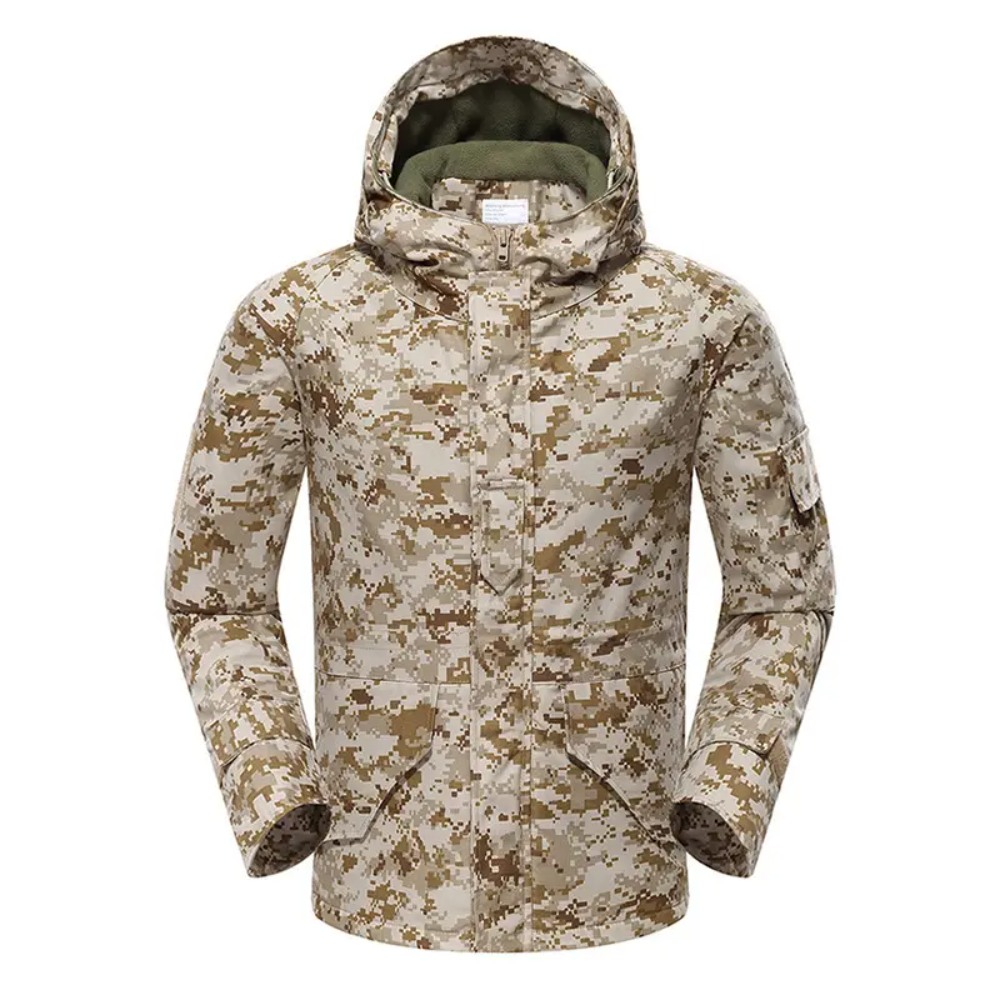
What Makes the G8 Camouflage Jacket Suitable for Multiple Terrains?
The G8 camouflage jacket shows the rising trade focus on doing many jobs. Rather than making gear for just one spot, today’s tactical coats are built to fit varied working states.
A few layout parts add to this flexible nature:
- Tough poly-cotton mixed cloth
- Better air flow during busy times
- Extra-strong rub spots for longer working life
- Smart pocket setups for gear sorting
- Changeable parts for shifting weather states
- Lighter build for better moving ease
Whether working in leafy spots, rocky zones, or changing climates, a well-planned outdoor camouflage jacket gives the needed stretch for today’s tasks.
This broad use shows why buying teams now highly prefer flexible coat setups. They pick them over highly narrow gear types.
How Does Fabric Technology Influence Camouflage Jacket Effectiveness?
Picking the right stuff remains one of the top points changing coat success.
Many current military camouflage jackets use poly-cotton mixed cloths. They do this because they mix the good points of both types. Polyester gives raw strength, crease block, and wetness control. Cotton adds a cozy feel and air flow.
The matching list below shows normal tactical coat details:
| Feature | Standard Tactical Jacket | Advanced Military Field Jacket |
| Fabric Composition | Cotton Blend | 65% Polyester / 35% Cotton |
| Breathability | Moderate | High |
| Tear Resistance | Standard | Enhanced |
| UV Protection | Limited | Advanced |
| Waterproof Capability | Basic | 1500MM Waterproof Rating |
| Storage Capacity | Basic Pockets | Multiple Tactical Pockets |
| Weather Protection | Moderate | Windproof & Waterproof |
| Field Durability | Standard | Reinforced Construction |
Fresh trade shifts also point to lighter working clothes. They drop total gear weight while keeping tough field power.
Why Is Durability Important in Military Clothing Supply Programs?
For groups working in military clothing supply, toughness directly changes buying speed and total life costs.
Clothes facing rough grounds, heavy gear, and harsh weather must hold up to non-stop strain. They cannot fail too soon.
Real-world tactical workers now firmly ask for goods that keep working well after repeated wild use. Makers able to hand over steady quality and solid making power stay highly prized within global military clothing supply networks.
A solid case comes from Jingming Trading. It holds wide making skills and a stock room. At the same time, it hands out tactical clothes built for long-running wild success.
How Can Buyers Choose the Right Outdoor Camouflage Jacket?
Picking the right outdoor camouflage jacket needs close thought about working needs. It should not look just at outward style.
Local states should guide buying choices. Warm zones demand highly air-flowing stuff. Cold spots gain from thick or stacked setups.
Task length also changes product picking. Longer trips mostly need more holding room and better toughness.
Shoppers should check:
- Planned working spot
- Weather facing level
- Needed hiding design
- Holding needs
- Cloth working details
- Rain blocks power
- Long-running tough hopes
A well-picked camouflage jacket boosts both task speed and user comfort. This makes it a key buy for tactical and wild uses.
What Trends Are Shaping the Future of Military Camouflage Uniforms?
Tactical clothing making keeps growing taking steps forward in cloth science to improve every camouflage jacket produced.
A few fresh shifts are changing future military camouflage uniform plans:
- Lighter multi-use cloths
- Better wetness-handling setups
- Boosted sun block sciences
- Earth-friendly stuff mixing
- Next-level hiding design making
- More swap-and-change setups
Tactical groups now look for gear that works across many spots. They want to cut down on moving snags. Because of this, flexible hiding setups and broad coat plans will likely stay top buying goals.
Conclusion
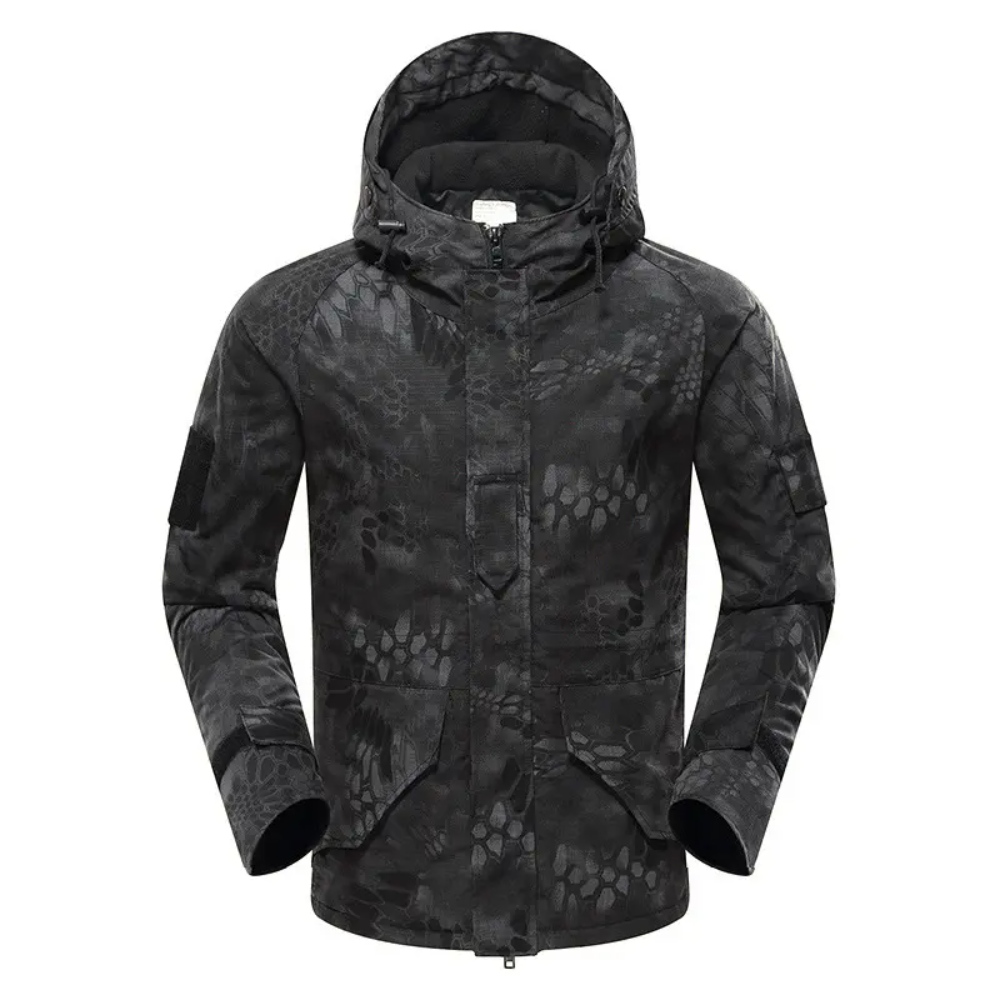
The raw power of military camouflage jackets relies on much more than just unseen cover. Winning plans mix hiding power, fresh cloths, weather block, toughness, and handy layout into one joined setup.
Whether worn as a military field jacket during tactical tasks or as an outdoor camouflage jacket for tough wild events, the right piece of clothing boosts movement, safety, and task success. For tactical shoppers and dealers, grasping these working points is vital. It helps when checking long-running military clothing supply answers.
FAQ
Q: How do military camouflage jackets differ from standard outdoor jackets?
A: Military camouflage jackets are built mostly for hiding, toughness, and task use. They mostly show stronger builds, special hiding designs, task-focused pocket setups, and better block to harsh wild states.
Q: What is the best fabric for a military field jacket?
A: Poly-cotton mixes are widely liked. They give toughness, air flow, crease block, and cozy feel. Many pro-military field jacket types use 65% polyester and 35% cotton cloth mixes for balanced working power.
Q: How long can a military camouflage uniform maintain its effectiveness?
A: The life span relies on the use weight and stuff quality. Top-grade military camouflage uniform setups with stronger stitches and fade-blocking cloths can stay working well for years under the right care.
Q: Why is the G8 outdoor camouflage jacket popular among tactical users?
A: The G8 outdoor camouflage jacket mixes toughness, cozy feel, air flow, handy holding room, and multi-spot stretch. This makes it great for tactical workers, safety pros, and wild fans.



