
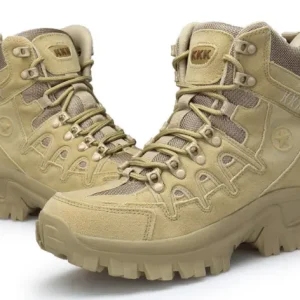
When purchasers select military boots for running exercises, patrol paths, and outdoor field movement, slip resistance remains a major safety and sourcing factor. At Jingming Trading, we notice this issue frequently in Middle East and African market deals. In these regions, footwear must handle long walks, quick turns, damp surfaces, gravel, concrete, and varied landscapes. Footwear might appear sturdy in a brochure. However, the bottom sole, top material, boot height, weight, and inner lining determine if the wearer can step securely.
For B2B purchasers, the main issue is not just whether tactical combat boots are durable. The more important detail is whether they remain steady when wearers sprint, halt, climb, and shift direction carrying gear. Good traction impacts user comfort, complaint numbers, replacement chances, and future orders. Furthermore, it assists purchasers in matching the proper types of combat boots to police drills, security shifts, outdoor paths, and regular field tasks.
What Makes Military Boots Anti-Slip?
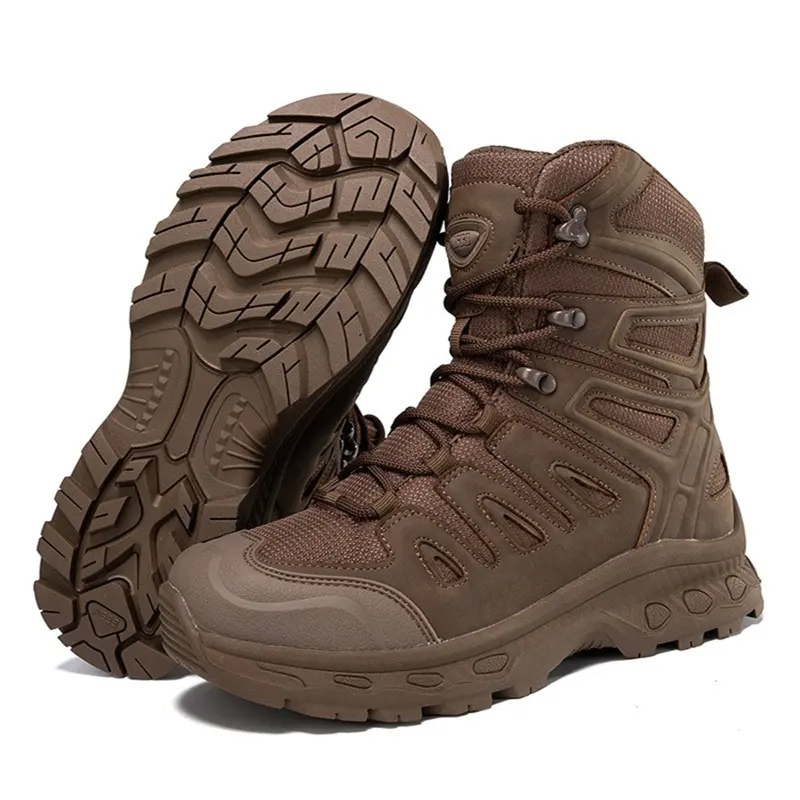
The bottom sole represents the initial technical feature to inspect. Within our selection, traction designs feature anti-slip rubber bottoms, durable rubber soles, TPU outer soles, and toothed sole patterns. Rubber assists military boots in holding onto varied landscapes. Meanwhile, TPU appears on specific low-cut versions where purchasers require outdoor toughness and everyday agility.
Toothed sole patterns expand the contact borders beneath the foot. This helps the footwear grab uneven earth. The top construction also impacts stability. Footwear that flexes excessively might lower support during quick pivots. Conversely, footwear that feels overly rigid could raise user fatigue. Because of this, military boots blend rubber or TPU bottoms with cow leather, Oxford fabric, microfiber, mesh, PU, polyester, cotton cloth, or mixed top materials.
How Do Boot Height and Weight Affect Running?
Various types of combat boots address distinct movement challenges. Tall-cut military boots supply enhanced ankle support. This is especially true on rough earth or when wearers transport heavy gear. The 07 Combat Boots feature a tall-cut build, an anti-slip rubber bottom, multi-terrain traction, an airy inner lining, and a light shock-absorbing midsole. This setup suits demanding field tasks and extended walking paths.
The A533 Boots represent tall-cut tactical combat boots with a heavier emphasis on padding and rapid fitting. This version utilizes EVA, rubber, mesh, PU, and polyester. It includes a side zipper for quicker wearing and removal. Its EVA middle sole aids in impact reduction and stress easing. At the same time, the anti-slip, durable rubber bottom delivers a firm hold.
Medium-cut military boots fit purchasers who desire safety without a bulky footwear sensation. Tiger Wolf Boots utilize a mixed top, an anti-slip, durable rubber bottom, an airy inner lining, and a medium-cut build. In contrast to standard tall-cut tactical footwear, this style feels lighter. It assists in lowering tiredness from extended walks.
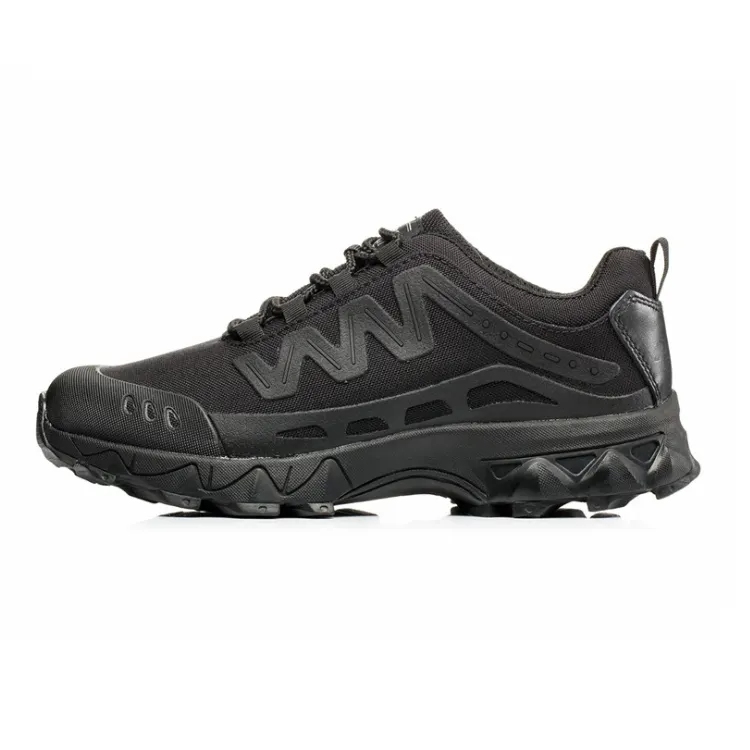
Low-cut military boots serve better for quicker daily actions and lighter field tasks. VW Hiking Boots utilize a TPU bottom, cotton cloth, Oxford fabric, a water-resistant fabric build, and a toothed sole pattern for a stronger traction result. This setup suits patrol duties, hiking-like paths, and basic outdoor actions.
What Specifications Should B2B Buyers Compare?
| Product Model | Boot Type | Main Materials | Size Range | Weight | Slip-Resistance Structure | Suitable Use |
| 07 Combat Boots | High-top military boots | Rubber, cowhide, Oxford cloth | 39-46 | 0.8/1 pair | Non-slip rubber outsole, all-terrain grip | High-intensity tactical use and long walks |
| A533 Boots | High-top tactical combat boots | EVA, rubber, mesh, PU, polyester | 39-46 | 1.2/1 pair | Non-slip wear-resistant rubber outsole | Shock absorption and fast on/off use |
| Tiger Wolf Boots | Mid-top military boots | Rubber, cowhide, Oxford cloth | 39-46 | 1/1 pair | Non-slip wear-resistant rubber outsole | Tactical training, hiking, commuting |
How Should Buyers Match Military Boots to Terrain?
Damp city patrols require military boots featuring dependable bottom patterns and airy ease. Slick floors, rain-soaked streets, steel stairs, and exterior concrete can reveal poor tread shapes rapidly. Purchasers must inspect rubber bottom traction, toothed sole patterns, and water-resistant fabric when offered.
Hills, woods, gravel, and drill paths generally demand greater ankle stability. Tall-cut military boots or medium-cut tactical combat boots suit these environments better. They assist in steadying the foot on inclines, loose rocks, and rough earth. For daily travel, exterior patrols, and simple field duties, medium-cut or low-cut versions prove simpler to wear and distribute.
How Can Buyers Reduce Bulk Order Risk?
Test items must be examined prior to large-scale manufacturing. Purchasers can evaluate military boots on damp tiles, dry concrete, dirt-covered earth, stairs, gravel, and angled areas. This offers a realistic perspective of how the bottom sole performs during actual motion.
Manufacturing approval remains vital as well. Our procedure allows for pre-manufacturing test items prior to large-scale production. We also offer a final check prior to dispatch. When necessary, purchasers can request pictures and clips of test items or completed products prior to the final payment. This assists in checking the bottom pattern, top material, shade, wrapping, tags, and obvious crafting quality.
For rushed tactical combat boots requests, our 5,300-square-meter storage facility and 100,000+ ready items across multiple groups aid in steady delivery and quicker organization.
Conclusion
Traction grants military boots their true practical worth. It links bottom hold, tiredness reduction, top safety, and footwear height into a single motion unit. A durable boot is not merely tough. It must assist the wearer in moving, halting, pivoting, and maintaining steadiness on shifting earth.
For B2B purchasers, the most secure buying choice is to evaluate tactical combat boots by landscape, footwear height, bottom material, tread pattern, weight, water-resistant build, and checking assistance. When the picked military boots fit the actual task setting, the item becomes simpler to distribute, rely on, and order again.
FAQ
Q: How much do military boots cost for bulk orders?
A: The expense of military boots relies on the version, material build, amount, wrapping requirements, and shipping conditions. Purchasers must verify the footwear style, size spread, amount, and shipping plan prior to asking for a price estimate.
Q: Can military boots support sample orders before mass production?
A: Yes. The presented military boots allow for a 7-day test item shipping timeframe. Test items assist purchasers in checking bottom hold, top material, weight, size matching, shade, sewing, water-resistant fabric where noted, and wrapping specifics.
Q: Are military boots waterproof and anti-slip at the same time?
A: Certain military boots are presented with both water-resistant and anti-slip traits. Others concentrate on traction, wear endurance, air flow, and rip resistance. A533 Boots and VW Hiking Boots feature water-resistant capabilities.
Q: What size range is available for military boots?
A: The primary military boots in this item selection utilize sizes 39-46. Purchasers must verify the size spread prior to purchasing. This is because large-scale needs differ by area, group type, and final user demographic.
Q: What after-sales support should buyers expect for military boots?
A: Useful assistance begins prior to dispatch. Purchasers can ask for pre-manufacturing test items, a final check, and pictures or clips of completed military boots prior to settling the final payment. This assists in lowering arguments regarding looks, bottom shape, wrapping, and obvious quality.



