
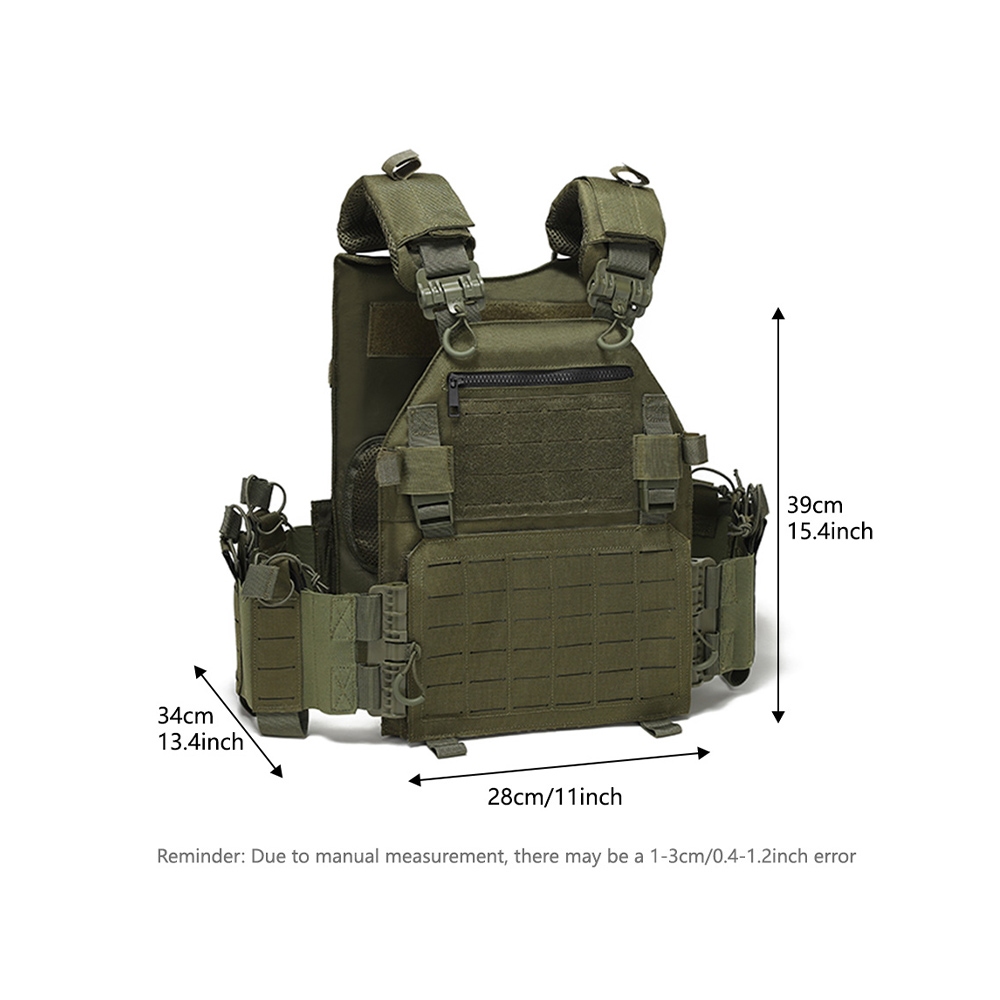
Military supply management has become more demanding because buyers now face tighter stock control, faster deployment cycles, unstable routes, and stronger pressure to verify every product before bulk shipment. Recent defense logistics discussions place more weight on supply chain visibility, contested logistics, and supplier resilience, which makes practical sourcing decisions far more important than before.
At Jingming Trading, we see this pressure most clearly in clothing, footwear, backpacks, first aid kits, and field support products. These supplies for military projects may look simple at first, but every category carries a different risk. A uniform order can fail because of fabric weight or size ratio. A boot order can fail because the outsole is not suitable for rough ground. A backpack order can fail because capacity and stitching do not match field use.
What Makes Military Supply Classes Difficult?
Military supply is difficult because buyers rarely purchase one product in isolation. A procurement order may include uniforms, boots, tactical backpacks, first aid kits, belts, gloves, and outdoor support gear at the same time. Each item belongs to a different use scenario, but all of them must arrive together, fit together, and perform under the same field conditions.
For outdoor companies that supply the military, this creates a management problem. Buyers must control product performance and supply timing at the same time. A good military supply process therefore starts with category separation. Each product should be checked according to its own function instead of being approved only by photos or price.
How Does Stock Pressure Create Military Supply Risk?
In our daily work, spot inventory helps reduce this pressure. Our supply model includes spot wholesale, diverse styles and colors, and sufficient warehouse support. This matters because field procurement often requires fast confirmation before shipment. If a buyer must wait for every item to be produced from zero, the risk of delay increases.
Military supply buyers should also confirm sample support early. Multiple product categories support a 7-day sample order delivery cycle. This detail is important because pre-production samples allow buyers to check fabric, stitching, outsole structure, zipper function, capacity, and accessory layout before mass packing begins. A sample does not remove every risk, but it catches many mistakes while they are still affordable to correct.
What Specifications Should Buyers Confirm First?
Military supply specifications must be checked in a practical way. A product table should not only show product names. It should show the details that affect wear, comfort, protection, storage, and shipment. The four product types below are closely connected with common military supply challenges: uniform consistency, boot durability, field storage, and emergency readiness.
| Supply Item | Specification | Procurement Focus | Military Supply Value |
| BDU Camouflage Uniform Set | 65% polyester and 35% cotton; T65/C35 fabric; 215–220 g/m²; sizes S to 3XL; breathable and tear-resistant | Fabric weight, size range, pocket layout, reinforced knee and hip areas | Supports daily field wear, outdoor activity, and repeat uniform purchasing |
| A533-309 Boots / A533 Boots | EVA, rubber, mesh, PU, polyester; sizes 39–46; anti-slip, wear-resistant, breathable, waterproof, tear-resistant | Rubber outsole, EVA midsole, side zipper, breathable mesh and PU upper | Supports outdoor movement, ankle protection, grip, and long-wear comfort |
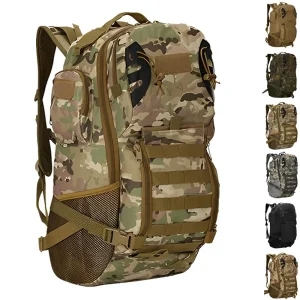
| 45L Large Backpack | 800D Oxford cloth; polyester cotton lining; 45L capacity; 1 kg weight; waterproof, wear-resistant, large capacity, tear-resistant | Capacity, back pad, webbing, buckle strength, hidden pockets | Supports equipment carrying, outdoor hiking, and field storage |
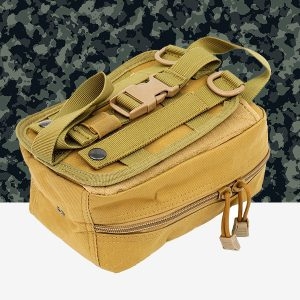
| M8 First Aid Kit | 400D water-repellent Oxford cloth bag; 1 kg weight; internal products can be freely matched; in-stock supply | Bag fabric, accessory list, internal matching, packing confirmation | Supports outdoor first aid, emergency response, and customized supply needs |
Why Do Materials Decide Field Readiness?
Material selection is one of the most common causes of military supply failure. In uniform procurement, polyester-cotton fabric is often selected because it balances durability, breathability, and daily wear comfort. The BDU camouflage uniform set uses 65% polyester and 35% cotton with a 215–220 g/m² fabric weight. This gives buyers a clear reference point when they compare thickness, comfort, and tear resistance.
Boot materials create another layer of risk. The A533-309 tactical boots combine EVA, rubber, mesh, PU, and polyester. The EVA midsole supports shock absorption and pressure relief. The rubber outsole supports anti-slip and wear-resistant performance. The mesh and PU upper help balance breathability with durability. The side zipper also improves quick wearing and removal, which is useful when buyers need practical boots for training, patrol, or outdoor field movement.
First aid kits require a different inspection mindset. The M8 first aid kit uses a 400D water-repellent Oxford cloth bag and allows internal products to be freely matched. This flexibility is useful, but it also means buyers must confirm the exact accessory list before shipment. A first aid kit order should never rely only on a product name. The bag, internal items, weight, and packing details must be approved clearly.
How Can Buyers Control Quality Before Shipment?
For uniforms, sample checking should focus on fabric hand feel, sewing, pocket position, button strength, cuff design, and size fit. For boots, checking should focus on outsole grip, pair weight, side zipper smoothness, upper material, lining comfort, and ankle support. For backpacks, checking should focus on fabric density, shoulder strap comfort, webbing, buckle strength, pocket structure, and capacity. For first aid kits, checking should focus on the pouch fabric and the final internal matching list.
Final inspection should also be visible. Buyers can request pictures and videos of samples or finished products for confirmation. This is useful for remote procurement because it gives buyers proof before balance payment and shipment handover. In military supply work, a photo or video record cannot replace physical inspection completely, but it improves transparency and reduces disputes.
Conclusion
Military supply classes are harder to manage in 2026 because buyers must control product performance, stock visibility, customization, inspection, and shipment timing together. The real challenge is not finding a single product. The challenge is building a supply process that keeps uniforms consistent, boots durable, backpacks practical, and first aid kits complete.
Strong military supply work depends on exact specifications. Fabric weight, outsole material, capacity, lining, zipper design, webbing, and accessory matching all affect field value. When these details are confirmed early, buyers reduce replacement risk, shorten communication time, and make repeat orders easier to manage. For B2B procurement teams, this is where product value becomes supply chain value.
FAQ
What affects military supply quotation for uniforms, boots, backpacks, and first aid kits?
Military supply quotation is affected by material, size range, quantity, customization, sample requirements, packing, and shipment arrangement. Uniform fabric weight, boot outsole material, backpack capacity, and first aid kit accessory matching can all change the final price.
How can buyers check military supply quality before bulk shipment?
Buyers can confirm pre-production samples, request product photos or videos, review size charts, inspect material details, and check final packing status before shipment. This process helps reduce errors in mixed-category military supply orders.
What supplies for military projects need the most detailed specifications?
Uniforms, tactical boots, backpacks, and first aid kits need detailed specifications because they directly affect wear comfort, movement, storage, and emergency readiness. Buyers should confirm fabric, weight, capacity, outsole structure, and accessory lists.
How does after-sales support work in military supply procurement?
After-sales support usually depends on clear order records, sample confirmation, product photos, packing proof, and agreed specifications. When these records are complete, both buyer and supplier can handle quality questions more efficiently after delivery.



