

In current military and police tasks, a job’s success usually depends on the tools carried by the user. A properly arranged tactical plate carrier setup means more than a simple vest. It acts as a vital support system for life and task handling. Whether working in direct fights or handling risky police duties, workers need an arrangement that mixes bullet defense, ease of movement, and room for key items. At Guangzhou Jingming Trading Co., Ltd., we have worked for years to improve our manufacturing methods. This helps us supply flexible, tough, and task-prepared safety options. They fit the strict needs of worldwide military and safety teams.
What Is a Tactical Plate Carrier and How It Differs from a Tactical Vest
Knowing the difference between a tactical plate carrier and a usual tactical vest is the initial move in creating a solid loadout. A tactical plate carrier is built mainly to carry bulletproof plates. This gives stronger safety from rifle-level dangers. On the other hand, lots of standard tactical vests work mostly as carriers for ammo clips and handy bags. They do not focus on bulletproof fitting.
When planning a military plate carrier setup, we make sure the build strength holds the load of ceramic or PE-based armor plates. At the same time, it keeps the user’s ease. For special safety jobs, we commonly find a mixed method. Here, the vest adds flexible connection spots for radio tools, first-aid sets, and bullets. We know that each task faces different risk levels. So, we supply choices that link these groups. They offer bullet-ready bases that form the main part of a worker’s equipment.
Key Components of an Optimized Plate Carrier Setup
Creating a working setup needs more than the carrier alone. It calls for a flexible network of parts. Our method stresses strong fabrics, like 1000D nylon. These give better resistance to rips in rough settings. A full setup should generally cover:
- Ballistic Plates: The main safety part. Based on the task, these could be PE or aramid layers.
- MOLLE/Modular Webbing: This lets users adjust bags. As a result, the worker can fit their tools to their exact job.
- Quick-Release Systems: These prove necessary for fast medical help or quick taking off in water or tight spot settings.
- Comfort Padding: Picking airy mesh or body-fit pads matters a lot for long wear times. They help avoid tiredness and overheating.
With a flexible build, users can change their tools quickly. They add or take away bags depending on whether they handle scouting or straight-attack duties.
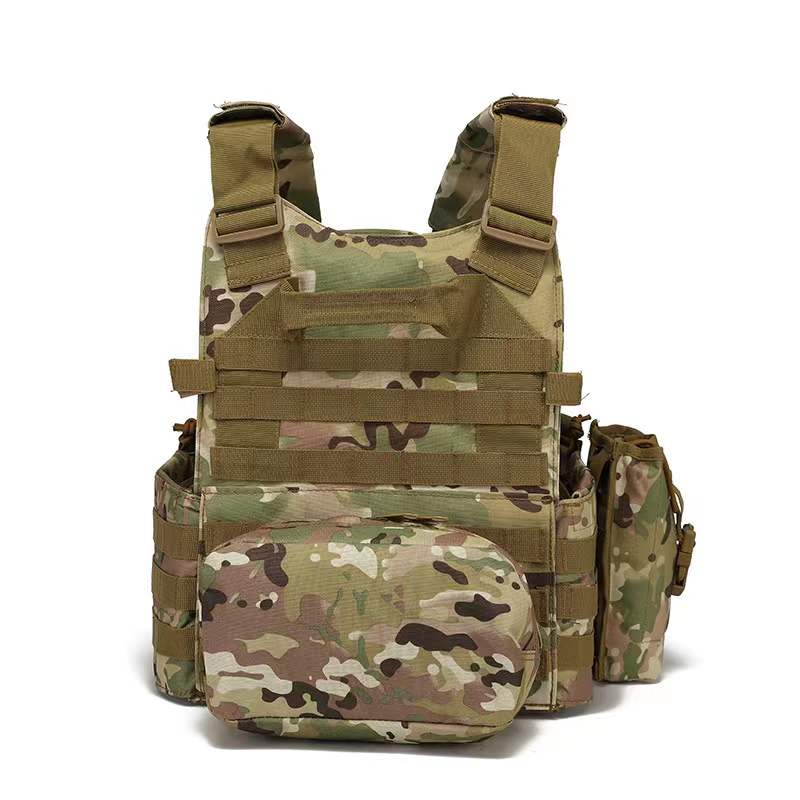
Best Tactical Plate Carrier Configurations for Different Missions
The arrangement of a plate carrier ought to match the task’s needs. For example, a standard military plate carrier setup often puts first place on lots of ammo room, water supply, and far-reaching radio tools. These keep the fighter going for long times in open areas.
In comparison, a police tactical vest setup or a SWAT vest setup usually puts first place on quickness, shape, and fitting with non-deadly tools. In these positions, the vest stays slimmer. This allows better quick moves in city spots.
| Feature | Military Setup | SWAT/Police Setup |
| Primary Focus | Sustainability & Ballistic Protection | Speed, Agility & Communication |
| Loadout Emphasis | More Ammo, Hydration, Rations | Comms, Less-Lethal, Breaching Tools |
| Profile | Full Coverage | Low Profile / High Mobility |
No matter the task, Guangzhou Jingming Trading makes certain that all tools, from clip bags to handy sets, are made from expert-level cloths. These hold up against wetness and rubbing.
How to Properly Wear and Adjust a Plate Carrier
A plate carrier works only as well as its sizing. If a plate sits too high or too low, it opens key body parts to harm. Or it limits the user’s move range. We suggest that the front plate’s top reaches the sternal notch. It should cover the heart and lungs. Meanwhile, the back plate lines up with the shoulder blades.
Setting it right is vital. Shoulder bands need even pull to stop the vest from moving in active actions. Side waist bands should tighten enough to block “bounce.” But they must not limit breathing. For groups using our tools, we stress adjustable Velcro and body-fit pull systems. These spread weight evenly over the upper body. That cuts strain on the lower back during long walks.
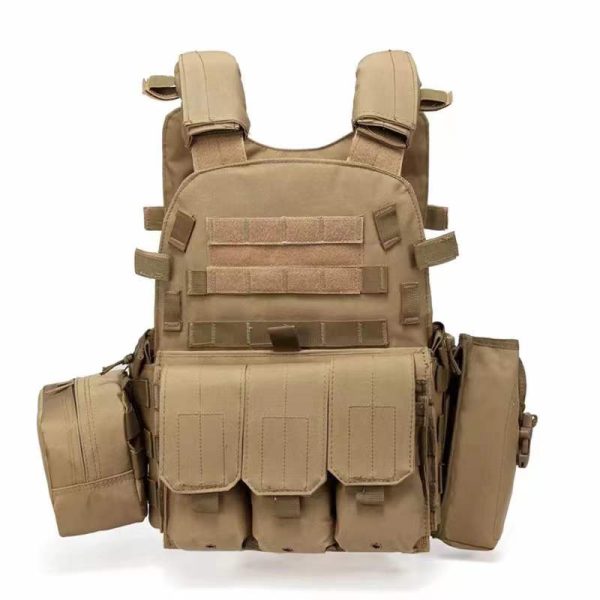
Tactical Gear Integration: Building a Complete Loadout System
A tactical plate carrier setup seldom works alone. To make a full task kit, the carrier has to blend smoothly with other fighter loadout parts. At Guangzhou Jingming Trading, we create a linked set of tools meant to pair well. This includes carry packs for ongoing needs, head covers for top safety, and hand covers for fine grips.
For instance, our 45L large-space backpacks come with side straps for hooking small tactical bags. This makes sure the tools on the plate carrier do not clash with backpack bands. By getting your whole kit from one maker who knows how parts work together, you gain a sure fit. Every clip, band, and bag runs without issues.
Choosing a Reliable Tactical Gear Manufacturer
When buying tactical tools for army or official groups, quality checks cannot be skipped. At Guangzhou Jingming Trading, we run our own manufacturing sites. This lets us keep steady, managed quality in every group of clothes, vests, and safety tools. We see that our buyers need:
Size and Trust: With more than 6,800 square meters of manufacturing area and a staff of 200+ people, we promise regular, smooth deliveries. This holds even for big order deals.
Personal Fitting (OEM/ODM): We focus on giving adjusted choices for different armies. So, we can change our plans to fit certain area or task rules.
Openness: We always give before-making samples and end checks. We also urge buyers to ask for video or picture proof before sending.
By teaming with a full manufacturing and selling firm, you get straight-from-factory costs. Plus, a supply line that puts the “buyer first.”
Frequently Asked Questions
What are the main differences between a US Army plate carrier setup and standard police configurations?
The key gap comes from the task type. A US Army plate carrier setup gets made for ongoing fight tasks. It shows a thick bullet cover and big carry room. On the other side, police or SWAT vest setup often puts slim shape first for easy moves in tight city areas. They may stress quick reach to radios and non-deadly tools more.
How often should I inspect the ballistic inserts in my plate carrier?
Check bullet inserts often for marks of use, water harm, or hit breaks. If the carrier shows worn threads or weak clips, swap the flexible parts. Always check the maker’s life rules for your exact armor plates. These fabrics have a set use time. That holds even if no outer harm appears.
Can I customize a tactical plate carrier setup for my specific unit requirements?
Yes. Expert makers like Guangzhou Jingming Trading give OEM/ODM help. This lets groups adjust all from the MOLLE setup to the shade and fabric of the carrier. We can change flexible plans to add exact radio bags, gun holder spots, or even custom Velcro spots for name tags. All this fits the right needs of your work setting.
What materials provide the best balance between durability and weight?
For most tactical uses, 1000D nylon stands as the field norm for lasting power. It fights rips and scrapes well. But for groups needing top movement, we suggest dense cloths with airy mesh insides. This mix gives the needed power to hold armor plates. And it keeps the user from getting too hot in hard efforts.
How do I ensure my plate carrier fits correctly to maximize protection?
The front plate needs to sit high to guard your key organs. The top side should match the sternal notch. Make sure the shoulders adjust evenly. So the vest stays in the middle. The waistband should fit tightly to stop shifts in motion. But leave room for full chest growth in breaths. Always try the size with moves typical to your job. Like bending knees, crawling, and lifting a gun.



