

Introduction
Grasping the vital importance of tactical vests in military tasks is key for experts who depend on safety and usefulness in dangerous settings. Tactical vests act as a crucial element of a soldier’s outfit. They provide storage, ease of movement, and bullet resistance based on what the task requires.
A quick summary shows that various tasks call for unique styles. Patrol vests stress ease and adaptability. Combat vests highlight defense and toughness. Training vests mix real-life feel with caution. At Guangzhou Jingming Trading Co., Ltd., founded in 2013, our firm is a current enterprise that blends creation, making, and selling. We use up-to-date management methods and build skills. We offer various tactical items like bulletproof vests, tactical backpacks, belts, gloves, and plate carriers suited for these specific work needs.
What Is a Tactical Vest?
A tactical vest is a flexible item of gear made to hold necessary tools. Such tools include magazines, radios, first aid kits, and protective plates. Its main roles cover spreading out the load, easy reach to equipment, and extra bullet defense when paired with plates or inserts.
Main parts usually feature adjustable straps for custom fitting. They also include pouches for ammo or tools. Plus, there is MOLLE webbing for flexible attachment systems. The improved outer tactical vest marks a step forward in style. It brings better body fit and bendability. At the same time, it has added armor plates.
For instance, the Quick-wear Tactical Vest uses “tear-resistant 1000D nylon material” with “a one-pull quick-on and off design” and “breathable cotton mesh added to the lining.” These traits show the mix of ease and preparedness needed in today’s tasks.
Tactical Vests for Patrol
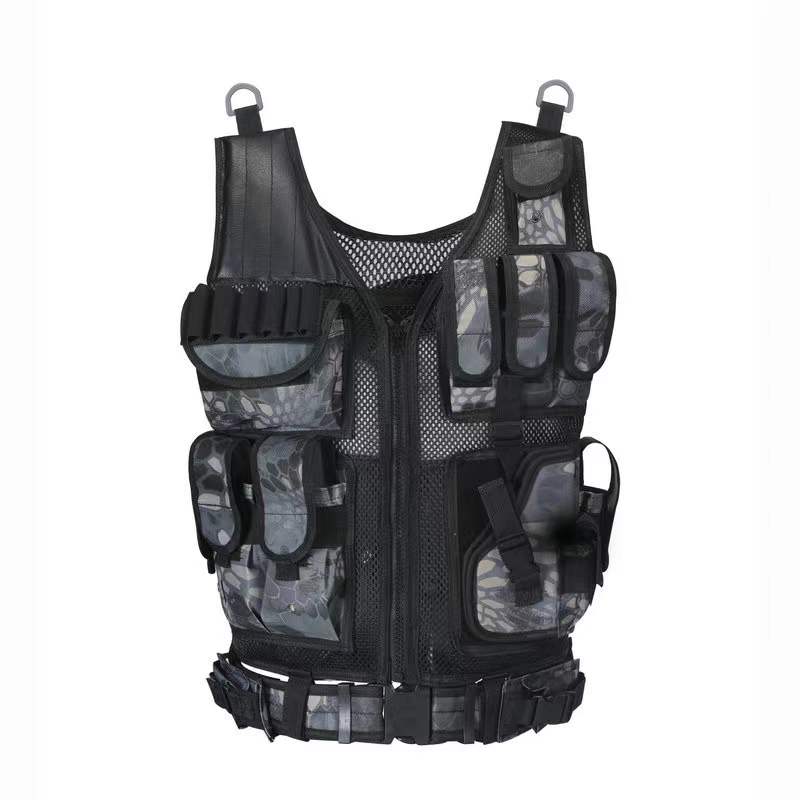
Patrol tasks need light gear that supports long wear without tiredness. A patrol-ready vest ought to be airy, adaptable, and permit fast access to basics. The Quick-wear Tactical Vest fits well here. It has “all modularized design that can be freely spliced” and “inner lining that can be opened to put in the bulletproof plate.”
Vests such as the tactical vest with holster blend in sidearm spots for instant reach in sudden meetings. Ease stands out as the most important. Airy mesh linings stop overheating in drawn-out field work.
The chief benefit of these patrol vests comes from their flexibility. Operators can alter their tactical vest setup by adding or taking away add-ons. They do this based on the ground or task length.
| Feature | Patrol Vest Focus |
| Weight | Lightweight |
| Modularity | High (MOLLE system) |
| Protection | Optional soft armor |
| Comfort | Breathable mesh padding |
Tactical Vests for Combat
Combat-focused vests put defense ahead of saving weight. People often call these tactical bulletproof vests. They join bullet resistance with sturdy fabrics like 1000D Oxford cloth. The Full set of bulletproof vests contains “a 24/28/36 UD layer of aramid/PE,” giving top-notch guard against bullet dangers. Yet it stays airy and adaptable.
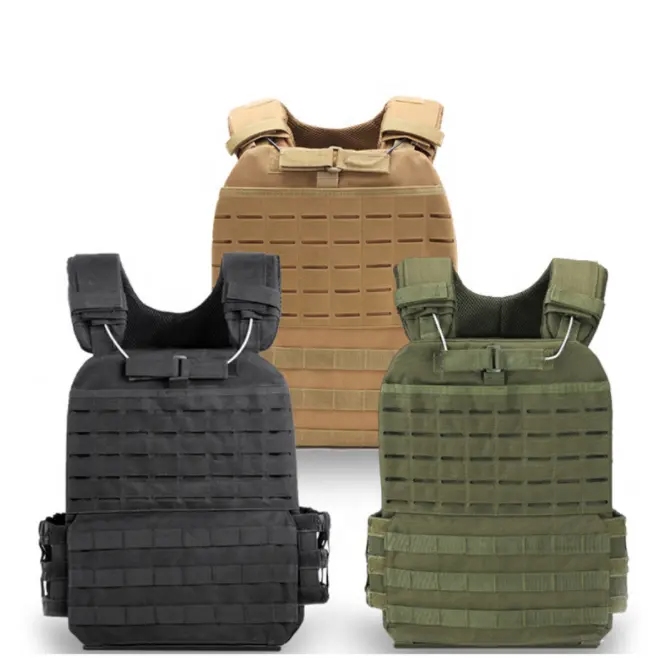
In these cases, troops commonly employ a plate carrier setup. Here, hard armor plates go into a plate vest tactical frame. This shields key body parts from rifle shots. The plate carrier vest setup lets users tweak plate spots for a fair balance between movement and cover.
When tailoring your tactical plate carrier setup, think about these points:
- Front/back plate placement for even weight distribution.
- Side panels or cummerbunds for lateral protection.
- Quick-release buckles for emergency removal under fire.
These arrangements weigh more. However, they prove essential when dealing with straight combat risks. In those spots, staying alive matters more than ease.
Tactical Vests for Training
Training spots mimic true-world situations. But they need bendy safety limits. Unlike combat types built for live shooting, training kinds focus on tweakability and ease. They keep real weight spread via fake plates or soft fillers.
Adding parts from both patrol and combat styles makes sure learners face genuine load-carrying scenes. They do this without too much weariness. For example, employing light copies in a bulletproof vest vs plate carrier arrangement aids in copying battle conditions safely.
A good vest setup in training covers:
- Balanced load distribution across shoulders.
- Reduced accessory count for agility drills.
- Integration with communication devices or hydration packs.
This method guarantees preparedness. At the same time, it avoids harming safety in ongoing workouts.
Plate Carriers vs Tactical Vests
Knowing the gap between a plate carrier vs tactical vest matters a lot when picking safety gear:
| Comparison Aspect | Plate Carrier | Tactical Vest |
| Primary Function | Ballistic protection | Equipment carriage |
| Armor Capability | Supports hard/soft plates | May include optional inserts |
| Weight | Heavier due to armor plates | Lighter due to fabric base |
| Modularity | High (customizable MOLLE) | Moderate (predefined pockets) |
A plate carrier vs bulletproof vest look shows that both give bullet resistance. Yet plate carriers permit greater bend in setup via MOLLE links. Meanwhile, a basic bulletproof vest aims only at blocking shots with few storage choices.
The pick between a vest vs plate carrier hinges mostly on the task kind. Fight areas lean toward carriers because of bigger risks. Patrols gain from lighter tactical vests. Training might employ mixed fixes that blend both traits.
Selecting the Right Tactical Vest for Your Mission
Picking among types like the 511 tactical vest, tactical vest and plates, or mixed setups demands checking task details. Such details cover surroundings (city versus desert), movement wants, risk level, and personal likes.
Factors to weigh include:
- Mission Type: Combat calls for top defense. Patrols require staying power. Training stresses bendiness.
- Environment: Warm areas want airy fabrics. Damp zones require waterproof cloths.
- Customization: Check your favored plate carrier setup choices. Do you need more magazine holders or built-in water systems?
At Guangzhou Jingming Trading Co., Ltd., we hold steady partnerships with numerous African governments/militaries. This ensures our goods match pro field rules. We do this through strict check methods, such as before-making samples and a final check before sending.
Right tweaking brings best results. Tightening straps spreads weight evenly. It also locks armor steadiness in active motion. A finely tuned tactical vest setup can boost workflow a lot. It does this by cutting response time when grabbing key tools in tense spots.
Conclusion
Choosing the best mix between a bulletproof vest vs plate carrier, or deciding if a light patrol type fits your wants better than a tough combat one, really depends on the work setting. Weighing points like movement needs, defense grade levels, surroundings states, and task time makes sure you put money into gear that lifts both safety and output.
Before buying any type, whether a basic patrol kit or a progressed flexible system like an improved outer tactical vest, closely review your task outline. This way, you match your gear with work goals well.
FAQs
What’s the difference between a plate carrier vs tactical vest?
A plate carrier holds ballistic plates providing direct impact resistance; a tactical vest mainly carries gear but can integrate soft armor panels if needed.
How do I configure my plate carrier setup effectively?
Ensure balanced front-back loading; keep essential items within arm’s reach; avoid overloading pouches that could hinder mobility during engagement.
Is a bulletproof vest vs plate carrier better for law enforcement?
Law enforcement officers often prefer bulletproof vests due to their lighter weight since most threats involve handgun rounds rather than rifle fire handled by plate carriers.
Can I use my 511 tactical vest for both training and patrol?
Yes. The 511 tactical vest offers modular attachment points, making it versatile enough for light-duty field operations or simulated drills requiring agility.



