
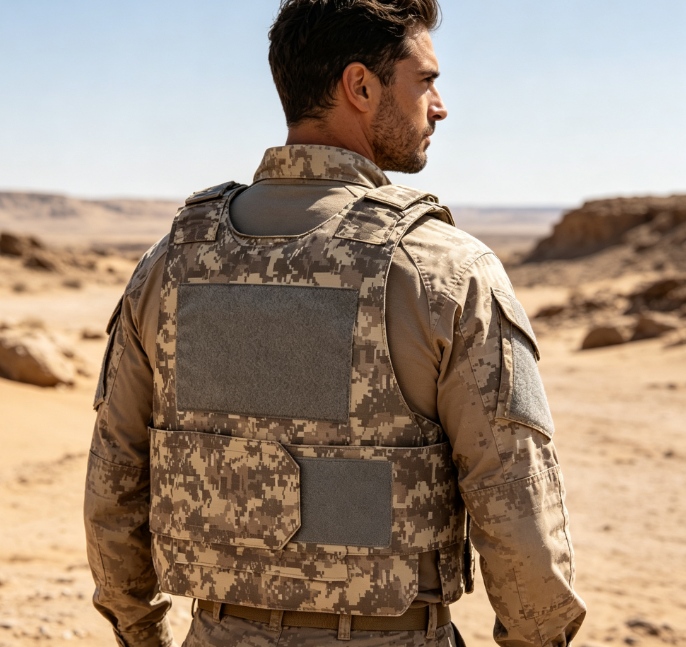
Tactical vest demand is moving away from one heavy layout for everyone. Patrol users, security teams, tactical units, trainers, and outdoor professionals need different access, visibility, comfort, and protection choices. For wholesale buyers, the market question is no longer only whether a vest is durable. It is whether the vest can be configured around a real role without wasting space or weight.
Modular Layouts Reduce Unused Bulk
A modular vest lets the buyer separate the base platform from the pouches, identification panels, plates, and accessories. That matters because unused pouches add weight, trap heat, and make the vest harder to wear in vehicles or during long shifts.
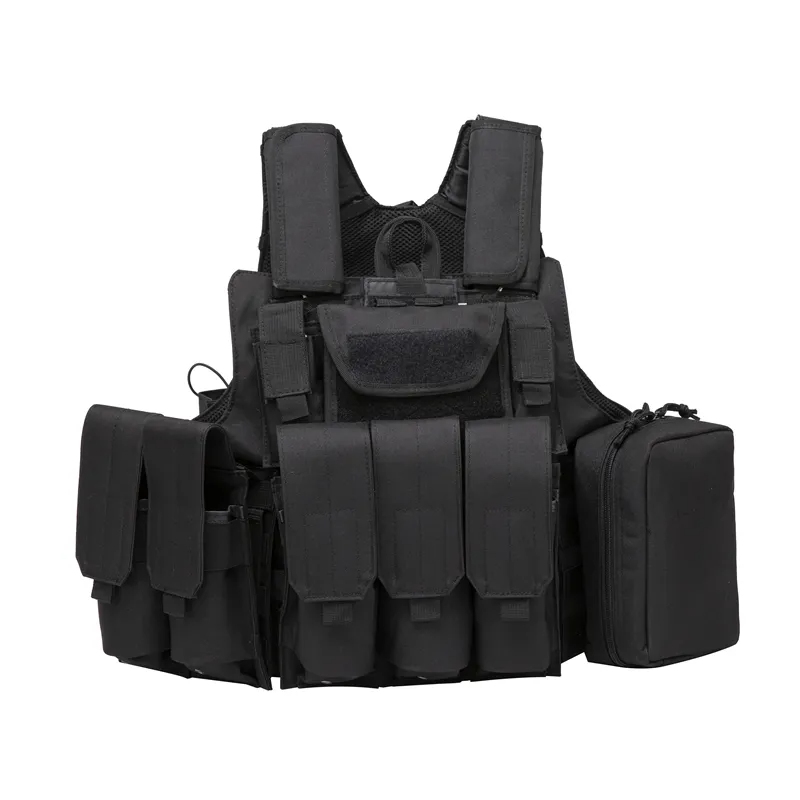
Jingming Trading’s quick-wear tactical vest uses 1000D nylon, a one-size platform, modular construction, a quick-on and off design, and expandable attachment areas. The inner lining can open for a bulletproof plate, while breathable cotton mesh and thickened pads support longer wear.
Those details match the shift visible in the military tactical vest market: buyers want a platform that can change by role instead of a fixed product that looks complete but performs poorly.
This shift is especially important for dealers serving mixed customers. A security buyer may need identification and comfort, while an outdoor training buyer may care about breathability and pouch placement. Stocking one rigid layout makes the catalog easier to manage but harder to match to real users.
The base vest is only the starting point
A role-specific vest starts with the base material, stitch strength, adjustment range, and shoulder comfort. Accessories should come after the wearer role is defined, not before.
Space is part of performance
Every pouch should earn its place. A radio pouch, medical kit, magazine pouch, hydration attachment, or ID panel should be reachable without blocking sitting, bending, shoulder movement, or weapon handling.
Patrol, Security, And Tactical Teams Need Different Setups
A police plate carrier setup usually favors identification, radio access, low front bulk, and vehicle comfort. A tactical team setup may need more magazine carriage, medical access, and plate stability. A training or outdoor security vest may prioritize breathability and quick adjustment over ballistic coverage.
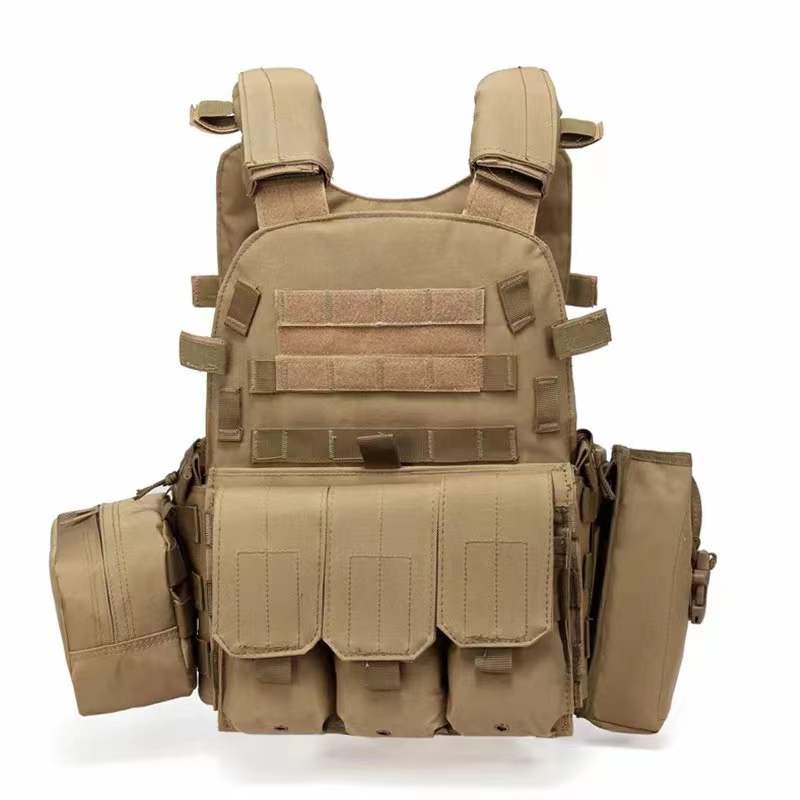
This is why tactical vest configurations should not be copied from a photo. The same MOLLE surface can be arranged for very different work, and the best arrangement is the one that supports the user’s movement and response priorities.
| Role | Primary vest need | Layout risk to avoid |
| Patrol or security | Identification, radio access, low fatigue | Too much front bulk in vehicles |
| Tactical team | Plate position, magazine access, medical kit | Unbalanced side load |
| Training or outdoor use | Breathability, adjustability, fast wearing | Overbuilding protection not required by the task |
| Wholesale program | Repeatable sizing and modular accessory plan | Ordering one layout for every user |
Material And Comfort Influence Repeat Orders
A tactical vest that looks strong but wears poorly can damage repeat orders. Fabric strength, breathable lining, shoulder padding, and adjustment points affect whether end users keep using the vest after the first issue.
Jingming Trading’s vest construction uses tear-resistant, modular, breathable, quick-wear, and expandable features. These details give buyers a practical way to compare quick-wear tactical vest design with simpler vest shells or non-modular carriers.
Protection needs should be handled as a separate specification. If the order requires ballistic coverage, buyers should confirm plate pockets, protective panels, material layers, and whether plates or panels are included.
The same separation helps avoid overpromising. A tactical vest can be modular, tear-resistant, and quick to wear without being a complete ballistic solution. When protective performance is part of the purchase, the plate or armor insert specification must sit beside the vest specification.
Wholesale Programs Benefit From A System View
Role-specific vests work best when they are sourced as part of a broader equipment system. Uniform cut, belt layout, boots, helmet, backpack, gloves, and accessories all affect how the vest feels in use.
A buyer reviewing integrated tactical product categories can plan the vest around the full loadout rather than treating it as a standalone item. This is especially useful for dealers and institutional buyers managing several user groups.
A system view also reduces returns and adjustment complaints. If the belt, uniform pockets, boots, and vest all compete for the same movement space, the end user feels the problem even when each item is acceptable on its own.
A practical planning sequence
- Define the role before selecting pouch quantity.
- Confirm whether ballistic plates are required.
- Place radio, medical, and identification items first.
- Keep front bulk low for vehicle-heavy roles.
- Use samples to test movement, heat, and access.
When customization, sample confirmation, or repeat supply matters, tactical equipment service support can help align vest layout with the buyer’s product range and end-user role.
Summary: The Best Vest Is The One Built For The Job
Tactical vest demand is becoming role-specific because modern buyers care about movement, access, comfort, identification, and protection as one working system. A modular vest gives the buyer room to configure the loadout, but the role must drive the setup.
For wholesale or institutional sourcing, share the wearer role, intended environment, plate requirement, accessory list, quantity, and sample needs when you contact us.
FAQ
What is driving the tactical vest market?
Demand is being shaped by modular layouts, role-specific equipment needs, comfort expectations, and the need to integrate vests with broader tactical gear systems.
What makes a tactical vest configuration effective?
An effective configuration places essential tools where the wearer can reach them while keeping movement, sitting comfort, and weight balance under control.
Should police plate carriers be set up like military loadouts?
Police plate carriers often need lower bulk, clear identification, radio access, and vehicle comfort, so they should not simply copy a military loadout.
Do all tactical vests need ballistic plates?
Not every tactical vest needs plates. The plate requirement depends on risk, role, weight tolerance, and whether ballistic protection is part of the specification.
What should buyers test with vest samples?
Buyers should test fit, adjustment, shoulder pressure, pouch access, breathability, plate pocket function, stitching, and how the vest works with belts and uniforms.



