Grasping the main splits between tactical vests and plate carriers matters a lot for workers who want the best body safety in risky spots. Both do key jobs. Yet, their exact builds and skills fit varied task demands. At Guangzhou Jingming Trading Co., Ltd., we have worked for more than twenty years to improve our manufacturing methods. We supply world armed forces and police groups with top-level safety tools.

The Evolution of Body Armor
Body armor has seen big changes. It shifted from basic safety forms to the advanced setups that today’s police groups wear. Pushed by rising dangers, body armor now stands as a must-have part of personal guard gear.
Two main types lead the current body armor field: tactical vests and plate carriers. Both give different safety levels. But their clear builds match separate work needs. The best pick comes from a close look at the exact risks for single officers, groups, or units. Our plant spans over 6,800 square meters. It makes sure each armor piece, from a complex SWAT vest setup to a simple plate carrier loadout, gets built with care.
Plate Carriers: A Foundation of Ballistic Protection
Built with one main goal of bullet safety, plate carriers form the base of armor setups for many units in risky areas. These carriers give a spot to add stiff armor plates. They offer a strong guard against fast bullets, like those from rifles.
A usual plate carrier setup shows a basic style. It puts lightweight and easy moves first. Key parts include a tough outside cover, often from 1000D Nylon in our pro line. Inside, there are strap systems to hold plates firm. Plus, flexible waist bands fit various body shapes.
The safety level from a plate carrier ties right to the armor plates you add:
- Ceramic plates: Known for great power to stop rifle shots, ceramic plates give top safety. Still, their easy-break nature and heaviness can affect speed and ease.
- Steel plates: Long favored for their toughness, steel plates bring solid safety. But they weigh much more than choices, which cuts down movement a lot.
- Polyethylene plates: As a fresh step forward, polyethylene plates mix light weight, bendability, and safety. People often pick them for fighting breaks and soaking up hit force.
In our range, we provide the Quick-wear Tactical Vest. It works as a fast plate carrier. It has an inside layer you can open to add bulletproof plates. Also, it includes a one-pull quick-on and off style for quick use.

Tactical Vests: Versatility and Utility
Tactical vests give some bullet safety. But they focus more on usefulness and order. Fitted with many pockets and spots, they let people carry needed items like ammo clips, radios, health kits, and other work tools.
Core Features and Applications
Tactical vests suit police and army staff in work actions. Their flexible nature fits many cases, from watch tasks to find-and-save jobs.
Soft armor inserts: Lots of tactical vests add soft armor inserts. These guard against pistol bullets and bits. Yet, they miss the stopping force of hard plates.
Modular design: Tactical vests usually have a modular design. This lets users adjust pouch plans to match their own needs.
We focus on the Improved Outer Tactical Vest type. It brings a complete bulletproof vest set with modular full-body safety. Our builds add bulletproof inserts in the neckband, shoulder pads, and even a bulletproof crotch triangle plate for full cover.
The Great Debate: Protection vs. Utility
Picking between a tactical vest and a plate carrier counts as a big step. It rests mostly on weighing safety against usefulness. Both fill key spots in bodyguard. But their different build ideas fit separate work calls.
Ballistic Capabilities: A Matter of Life and Death
The core split in plate carrier vs tactical vest shows in how they handle bullet risks.
- Plate Carriers: These serve as a base for hard armor plates. They bring better safety against fast bullets. The stiff plates cover the main body parts well. So, a tactical plate carrier setupoften wins in risky areas.
Tactical Vests: Most come with softer armor inserts, like 24/28/36 UD layers of aramid or PE. They guard against pistol shots and bits. In a ballistic vest vs plate carrier match, the vest fits better for lower-risk cases where rifle shots seem less common.
Comfort and Fit: The Human Factor
Safety comes first. But ease and fit stay important too. Long use can tire the body. The armor’s build can change how the user feels a great deal.
- Plate Carriers: With stiff plates inside, they can feel thick. Yet, we add air-flow cotton mesh and extra-thick cotton pads to our insides. This keeps its ease during long wear.
- Tactical Vests: Often lighter and more bendy, tactical vests put ease and air flow first. Our modular builds allow for big changes to match personal likes and body shapes.
Mobility and Versatility: Adapting to the Mission
The work setting sets how much movement you need.
- Plate Carriers: The aim for top safety can cut movement. A modern military plate carrier setup or army plate carrier setup tries to stay simple. Still, it limits moves more than a vest.
- Tactical Vests: By stressing usefulness, tactical vests shine in movement. Their low weight and bendy build allow broad actions. That helps in changing tasks.

Making the Right Choice
In the end, choosing a tactical vest or a plate carrier needs thought about exact risks, work setting, and personal likes.
When to Choose a Plate Carrier
Plate carriers work best in high-risk spots. There, the main danger comes from fast rifle fire.
Military Operations: A US Army plate carrier setup stays vital to protect staff in tough areas.
- SWAT Teams: In big-risk work actions, a dedicated swat vest setup gives the needed bullet guard.
- High-Risk Law Enforcement: Staff in special groups, like drug units, often need the extra safety of hard plates.
When to Choose a Tactical Vest
Tactical vests fit cases where movement and gear reach matter most. They still offer some safety.
Law Enforcement Teams: Watch officers need a fast grab of items like cuffs and radios. So, a tactical vest makes sense.
Search and Rescue Missions: In unsure settings, these vests give flexible carry for mixed tools.
Tactical Training: Vests let students work with gear in real ways during army outdoor drills.
Considerations Beyond Ballistic Protection
Safety ranks as the top job. But other points count too:
- Weight Distribution: Good weight spread helps stop tiredness. We use 1000D Oxford cloth and special padding to distribute the load well.
- Ventilation: Enough air flow is key. Our goods have breathable insides to avoid heat buildup.
- Maintenance: Steady checks and cleans keep the armor strong. We give quality fabrics like microfiber and real leather in our add-ons for lasting use.
Conclusion
By getting the main splits between tactical vests and plate carriers, units can pick wisely for the best safety. Plate carriers bring a stronger bullet guard. Tactical vests offer flexible use and helpful spots. The right pick comes from looking closely at risks and work needs.
If you need a full plate carrier vs ballistic vest look for your group or a tactical vest vs plate carrier tip, Guangzhou Jingming Trading Co., Ltd. stands ready to aid. We act as a current firm joining design, making, and sales. Our stock holds over 100,000 items set for world sends.
FAQ
1. What is the main difference between a plate carrier and a tactical vest?
The main difference lies in ballistic protection versus utility. A plate carrier is a minimalist platform for hard armor plates meant to stop rifle rounds, while a tactical vest is typically designed to carry gear and may include soft armor for handgun protection.
2. Can I use a plate carrier as a tactical vest?
Yes, modern plate carriers are highly modular. Many of our designs feature all-around holes and Velcro for installing accessories, allowing you to create a customized plate carrier loadout.
3. Which is better for long-distance marching?
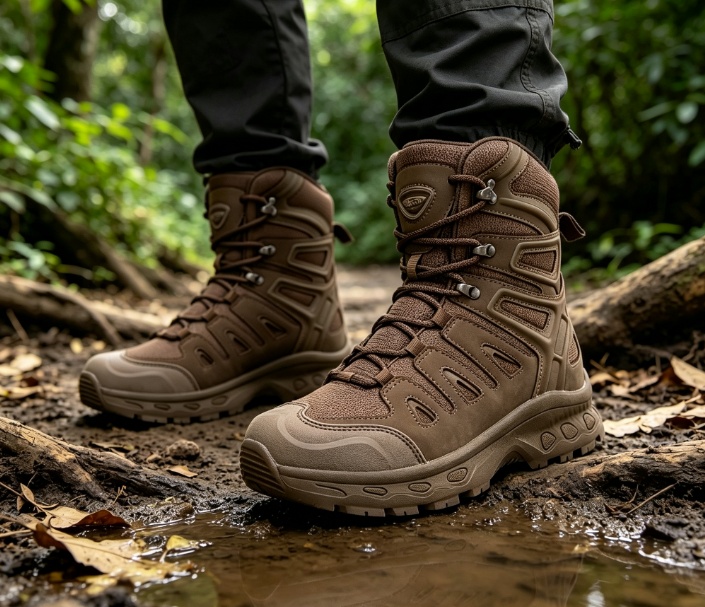
Tactical vests are generally lighter and offer better mobility. However, if you are using a plate carrier, we recommend pairing it with our high-top tactical boots which feature a lightweight cushioning midsole to reduce fatigue.
4. Do you offer customization for government contracts?
Absolutely. We have long-term and stable cooperative relations with many governments and militaries worldwide, specializing in OEM/ODM services for tactical and security products.