
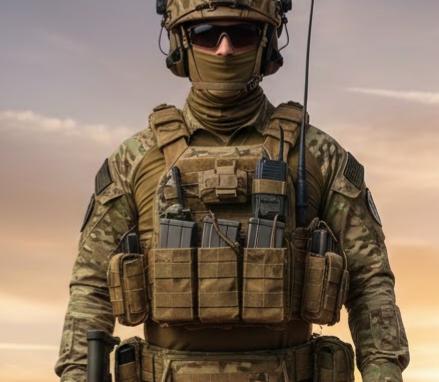
Introduction: Why Plate Carrier vs Tactical Vest Is Still Confusing
Many people find it hard to tell apart protection systems from load-bearing platforms. Some folks think every tactical vest offers bulletproof features. Others pack too much onto plate carriers. They do this without grasping the mobility costs.
At Jingming Trading, we’ve spent over years analyzing field feedback from defense professionals to bridge this gap.
This guide targets military members, police and SWAT teams, private security pros, and dedicated tactical shoppers. The content breaks down how each setup operates. It covers correct setup methods. Plus, it helps pick options based on real mission needs, not just looks.
What Is a Plate Carrier?
Definition and Core Function
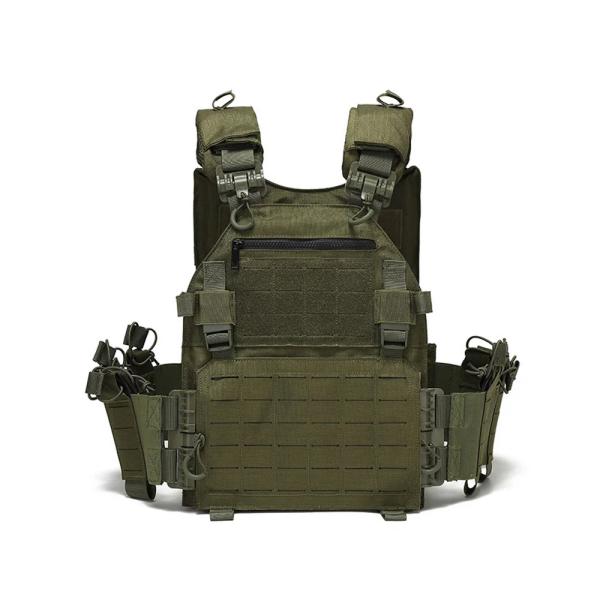
A plate carrier serves as a ballistic armor platform. It holds hard armor plates and sometimes soft armor to shield key body parts. Unlike older full-coverage bulletproof vests, plate carriers stress modularity, limited coverage, and ease of movement.
The main split between a plate carrier and a ballistic vest lies in their coverage approach. A ballistic vest seeks broad torso protection via soft armor. In contrast, a plate carrier targets high-impact threats with rifle-rated plates. It trades some coverage for better agility.
Plate Carrier Structure Explained
A basic plate carrier includes:
- Front and rear plate bagsfitted to armor sizes
- Shoulder strapsthat let you tweak the height
- Cummerbundfor steady side support and even weight spread
- MOLLE or laser-cut panelsto attach various pouches
This layout supports task-based tweaks. It avoids rigid designs.
Standard in the Jingming Trading series, our carriers utilize laser-cut MOLLE to reduce weight without sacrificing attachment strength.
Types of Ballistic Plates
Plate carriers can accommodate:
- Soft armor panelsthat hide easily and handle handgun risks
- Hard armor platesmade from ceramic or PE for rifle dangers
Protection ratings differ a lot. Stronger options often add more bulk. A usual rifle plate tips the scale at 2.5–3.5 kg apiece. That extra load impacts stamina and body temperature control.
What Is a Tactical Vest?
Tactical Vest Meaning and Role
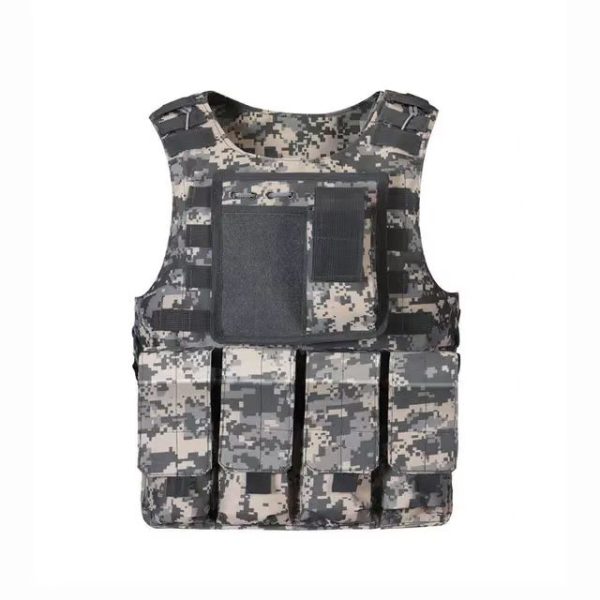
A tactical vest mainly acts as a load-bearing system, not a defense tool. It arranges magazines, radios, first-aid supplies, and gear for quick grabs. Plenty of tactical vests skip no armor at all, but certain models fit soft panels.
Tactical Vest Design and Layout
Typical builds feature:
- Fixed-pocket tactical vests, handy for drills or guard duties
- Modular tactical vests, with MOLLE for adaptable setups
Since they skip stiff plates, tactical vests provide better ventilation, less weight, and more comfort over extended periods.
Tactical Vest vs Duty Vest
A duty vest suits everyday police rounds. It handles light loads, office items, and top comfort. Tactical vests gear up for short-duration, high-intensity operations such as SWAT responses or managing crowds.
Plate Carrier vs Tactical Vest: Key Differences
| Feature | Plate Carrier | Tactical Vest |
| Primary role | Ballistic protection | Load carriage |
| Armor capability | Hard & soft armor | Usually none |
| Weight (loaded) | 8–15 kg common | 3–7 kg |
| Mobility | Moderate to high | High |
| Modularity | Very high | High |
| Typical users | Military, SWAT | Police, security |
A plate carrier vs vest choice isn’t about one being superior. Instead, it ties to your risk profile.
How to Choose Between a Plate Carrier and Tactical Vest
Mission Profile Analysis
- High-risk environments(rifle threats): plate carrier
- Low-risk or support roles: tactical vest
City missions commonly pick slim plate carriers. Rural areas or practice sessions might lean toward simpler vests.
Threat Level and Protection Needs
When rifle shots seem likely, hard armor is non-negotiable. For mainly hand-to-hand fights or pistol risks, a tactical vest or soft armor option could work better.
Climate and Environment
In warm areas, hefty plate carriers ramp up body heat. So, airy vests or basic plate carrier configs often win out.
How to Set Up a Plate Carrier Correctly
Proper Plate Carrier Placement
Right plate positioning matters a ton. The upper rim of the front plate needs to align with the sternal notch. This guards the heart and main blood paths. Plates hung too low expose crucial spots.
Plate Carrier Loadout Essentials
A well-rounded plate carrier loadout usually has:
- Magazine pouchesup front, keeping the middle open
- IFAKis placed for use with either hand
- Radio and cablesguided to dodge catches
Piling too much on the front cuts down on free movement. That’s a quick way to hinder action.
Military Plate Carrier Setup Principles
Standard military plate carrier setup stresses:
- Symmetry
- Weight held near the torso
- Little bulk on the back
US Army plate carrier setup guidelines push for smooth motion. They avoid cramming in every possible item.
Tactical Vest Setup and Loadout Guide
Tactical Vest Layout Fundamentals
A solid tactical vest layout sorts gear into zones:
- Front: key magazines, everyday tools
- Sides: radio, handy items
- Back: water pack or rarely used stuff
Tactical Vest Setup for Police and SWAT
Police tactical vest setup focuses on access speed. For SWAT, tactical vest loadout adds entry tools, health kits, and comms devices. It balances the needs for doors and rides in vehicles.
Tactical Kit Integration
A good tactical kit setup factors in:
- Vest
- Belt system
- Backpack or hydration carrier
Spread the load across platforms. Don’t dump it all on one.
Camouflage Considerations for Tactical Gear
Types of Camouflage
Popular types of camouflage cover woodland, desert, and multicam styles. City teams often choose black and grey camouflage, known as urban camo. It helps blend into buildings and dim spots.
Matching Camouflage Uniforms
Camouflage uniforms, vests, and add-ons should match in look. Clashing patterns hurt hiding and neatness.
Shoes count as well. A533 boots offer strong ankle hold and grip soles. They pair nicely with both plate carrier and tactical vest configs on varied ground.
Common Buyer Mistakes to Avoid
- Selecting protection without sizing up actual dangers
- Stuffing plate carriers until movement suffers
- Overlooking fit and tweaks
Field issues mostly stem from setup errors, not poor gear.
Conclusion: Choosing the Right Tactical Load-Bearing System
Deciding between a plate carrier vs tactical vest must stay mission-driven. Plate carriers aim to block bullets. Tactical vests focus on hauling gear smoothly. Grasping this gap—and rigging each properly—counts way more than labels or style.
Choosing between a plate carrier vs tactical vest is mission-critical. Explore the Jingming Trading Tactical Collection to find the platform that best fits your risk profile.
FAQs: Plate Carrier vs Tactical Vest
1. Is a plate carrier better than a tactical vest?
Only when ballistic defense is essential. If not, it just adds needless bulk.
2. Can a tactical vest stop bullets?
Just if armor panels go in. Plenty of models can’t take them.
3. How heavy is a fully loaded plate carrier?
Typically 8–15 kg based on plates and gear.
4. Can police use plate carriers on patrol?
Yes, mainly for risky spots instead of daily shifts.
5. How do I know if my plate carrier fits correctly?
Check plate height, tight cummerbund, and easy breathing as main signs.



