

The Role of Tactical Footwear in Operational Readiness
Why Footwear Is a Critical Component in Tactical Gear
In demanding tactical settings, footwear goes beyond a simple item. It becomes an essential part of the equipment. Tactical boots are built to aid movement, offer steady footing, and guard feet against bumps and outdoor dangers. These qualities play a big role in the well-being and success of soldiers, police officers, and security workers.
Good tactical footwear cuts down tiredness on lengthy tasks. Comfortable inner soles and impact-cushioning outer soles lessen pressure on joints. As a result, people can stay upright for hours without much pain. Low-quality or poorly sized boots might cause sores, sore spots, or blood flow troubles. Such issues can soon weaken task performance. They may even lead to injuries that pull people out of action.
Moreover, how well footwear works ties straight to stamina in operations and task achievement. A boot that gives out in tough ground or weather might risk not just the user’s safety. It could also threaten the whole team’s goal.
How Tactical Boots Support Mission Demands
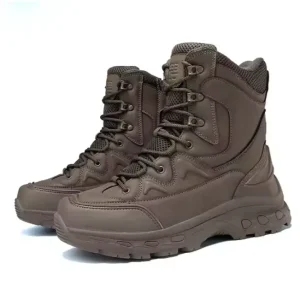
Tactical boots get made for toughness in the harshest physical spots. They use strong materials like tough rubber bottoms and scrape-proof tops to handle rough areas without falling apart. For instance, the 07 Combat Boots have a light microfiber top that resists wear. Their non-slip rubber bottom gives a solid hold on any ground. This makes them great for tough field work.
These boots also give key ankle support to avoid twists. This helps especially on bumpy paths or during fast actions. Hold and impact cushioning matter a lot. Many types include EVA inner soles to ease shocks and weariness.
Toughness does not mean giving up ease. The M16 Boots provide an air-permeable inner layer to keep feet fresh. At the same time, they hold up strong for extended use.
Key Features of Effective Tactical Boots
Core Components That Define High-Performance Boots
Top-notch tactical boots stand out due to a few main traits:
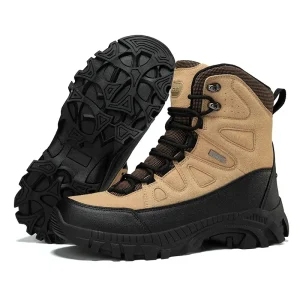
- Outsoles: Built for hold on various grounds like mud, stones, and pavement. Deep grooves and no-slide patterns boost traction and balance.
- Uppers: Crafted from air-flowing but sturdy stuff like netting, PU, or cow leather to handle sweat while fighting damage.
- Protection Elements: Extra-strong toe guards and heel backs protect from hits and pointy items often met in outdoor situations.
The Tiger Wolf Boots mix a synthetic top with a no-slide rubber bottom. This offers both safety and bendability.
Understanding the A533 Tactical Boots Design Philosophy
Among fresh designs available, the A533 tactical boots mix a light build with strong scrape resistance. They use an air-flowing net + PU top. A light EVA inner sole handles shocks. Plus, a fast entry side zipper aids quick wear. All this comes from thinking about the movement needs of police pros.
For folks looking at the best lightweight tactical boots, the A533 model shines. It blends quickness, ease, and field preparedness. Prices change by area and custom options. Yet, the typical A533 boots price stays fair in the average tactical boot market.
Evolution of Tactical Footwear Through History
From Standard-Issue Combat Boots to Modern Tactical Gear
Old-school army boots mainly got prized for lasting power. But they often missed flexibility or comfort. This made them unfit for varied lands or long stints. With time, new ideas led to user-friendly shapes using less heavy stuff and weather-matched traits. Thus, heavy combat boots turned into handy tactical tools.
Lessons from Global Conflicts That Shaped Boot Development
Real-world lessons from World War II and Vietnam highlighted the call for improved water drainage and holding. In later actions through sandy areas and city spots, boot making focused on air flow, bends, and quiet steps. These insights helped improve types like the A533 tactical boots. They work well for city movement and rough land alike.
Environmental Demands on Tactical Footwear Performance
Adapting Footwear to Terrain-Specific Challenges
Urban Environments
City settings call for no-slip bottoms on damp streets, steps, or smooth floors. Lightweight boosts pace and turning ability. These are vital points in items like the Flying Boots. They suit everyday travel or city watches.
Mountainous Terrain
Boots for hill areas require firm ankle support, bold tread lines for climb grip, and warmth against chill. Half-high styles like the Storm Boots give both bend and cover here.
Desert Operations
In sandy spots, fighting heat matters most. Boots need sweat-pulling inners and tight net tops. These block sand entry while letting air through. The A533’s air-flowing net handles these needs well.
The Impact of Weather Conditions on Boot Functionality
In rainy places, waterproof layers prove vital. But they should not block the air flow. Materials in Saloman Low-top Boots achieve this balance. Cold areas demand heat-keeping layers without extra bulk or movement limits. Fleece-lined types like the M65 Padded Jacket pair with warm footwear to strike that balance.
How Tactical Footwear Influences Field Performance Outcomes
Fatigue Management Through Proper Boot Design
Many hours standing can sap strength fast. Boots with user-friendly inner soles cut joint stress. Cushion setups soak up constant hits. Types like the A533 use EVA inner soles for just this reason. This makes them a strong pick for the best boot for law enforcement. Officers might walk patrols for 8–12 hours straight.
Injury Prevention in High-Risk Scenarios
Twisted ankles, stabs, scrapes—these are common outdoor risks. Quality boots lessen them. The tall-top style of 07 Combat Boots boosts ankle support. Tough rubber bottoms guard against ground dangers like shards or sharp stones.
Choosing the Right Tactical Boot for Your Mission Profile
Key Selection Criteria Based on Operational Needs
Fit and Sizing Considerations for Long-Term Wearability
Always put fit first. Wrong-sized boots lead to sores or flow problems. These can bench workers before tasks wrap up. Pick sizes with space for socks but not too baggy.
Material Composition Based on Climate Conditions
Man-made stuff stays light and air-permeable. It fits warm areas best. Leather gives great lasting power but holds warmth. So it suits hot zones less unless it has vents.
Outsole Design According to Activity Type
City workers should choose no-slip bottoms with quiet steps (no-squeak). Army folks need all-ground grooves for woods or hills. Such traits appear in many designs from Guangzhou Jingming Trading Co., Ltd. Examples include the Tiger Wolf or Storm models.
Evaluating the Best Boot for Law Enforcement Use Cases
Police pros need quickness, nimbleness, quietness, and outfit fit. The A533 tactical boots meet these with fast-dry inners, side zippers for easy on-off, and matte finishes.
Maintenance Practices That Extend Boot Lifespan
Daily Care Routines After Field Use
Clean boots after each task. Brush off mud from the bottoms to keep hold. Rinse away salt or chemicals that might harm stuff. Let them dry in the open air. Avoid straight sun to stop splits.
Long-Term Storage Tips to Preserve Structural Integrity
Keep boots in cool, dry spots. Use shape holders to hold form and avoid folds in the top materials.
When to Replace Your Tactical Boots
Watch for bottom peel, flat padding, weak hold, or clear splits in stuff. If these show—even on premium types like A533—it means swap time. This keeps you set for action.
Equipping Yourself with the Right Tactical Footwear Strategy
Aligning Footwear Choice with Mission Objectives
Check the work setting before picking a style. City versus woods versus sand needs varied traits. Pair things like waterproofing or warmth to likely conditions. Never skip ease. It affects how long you can keep going on a task.
Investing in Readiness Through Proper Gear Selection
Guangzhou Jingming Trading‘s actical items follow a “quality first” rule. We aim to hit pro army levels. Buying solid footwear like their A533 tactical boots does more than add gear. It boosts your overall preparedness.
FAQs
What is the difference between combat boots vs work boots?
Combat boots are designed for tactical scenarios with features like ankle support, shock absorption, and terrain grip; work boots focus on industrial hazards like steel-toe protection.
What makes A533 tactical boots suitable for law enforcement?
A533 boots combine fast-entry zippers, lightweight construction, moisture-wicking lining, and strong outsole grip—ideal for urban patrols and quick response scenarios.
How much do A533 boots cost?
The A533 boots price depends on order volume and customization needs but typically falls within a mid-range tactical boot pricing bracket; contact the supplier for quotes.
What are the best lightweight tactical boots for long patrols?
Models like A533 and M16 Boots offer a balance of durability and comfort with breathable materials and EVA midsoles that reduce fatigue during extended missions.
How do I choose the best boot for law enforcement use?
Focus on weight, agility, slip resistance, silent movement (non-squeak soles), quick donning systems (like side zippers), and compatibility with uniform standards.



