
Military logistics often fail when products are bought as loose items instead of organized supply groups. A uniform is not handled like a medical kit. Boots are not checked like backpacks. Tactical accessories do not move through storage in the same manner as sized clothes. At Jingming Trading, we treat military supplies and equipment as planned logistics assets rather than simple goods. This method matters for buyers who want stable stock, clear details, quick checks, and fewer shortages in the supply room. When purchasing, teams understand military supply classes, and they can link product function, warehouse control, field use, and restock timing long before an order becomes a rush.
What Are Military Classes of Supply?
Military classes of supply offer a useful way to sort products by use, handling style, and issue order. For B2B buyers, the real worth goes beyond the terms. Classification helps buying teams decide which goods need size tracking. It shows which items need kit control. It highlights which goods need volume checks. It also points out which items must be packed for a fast field handout.
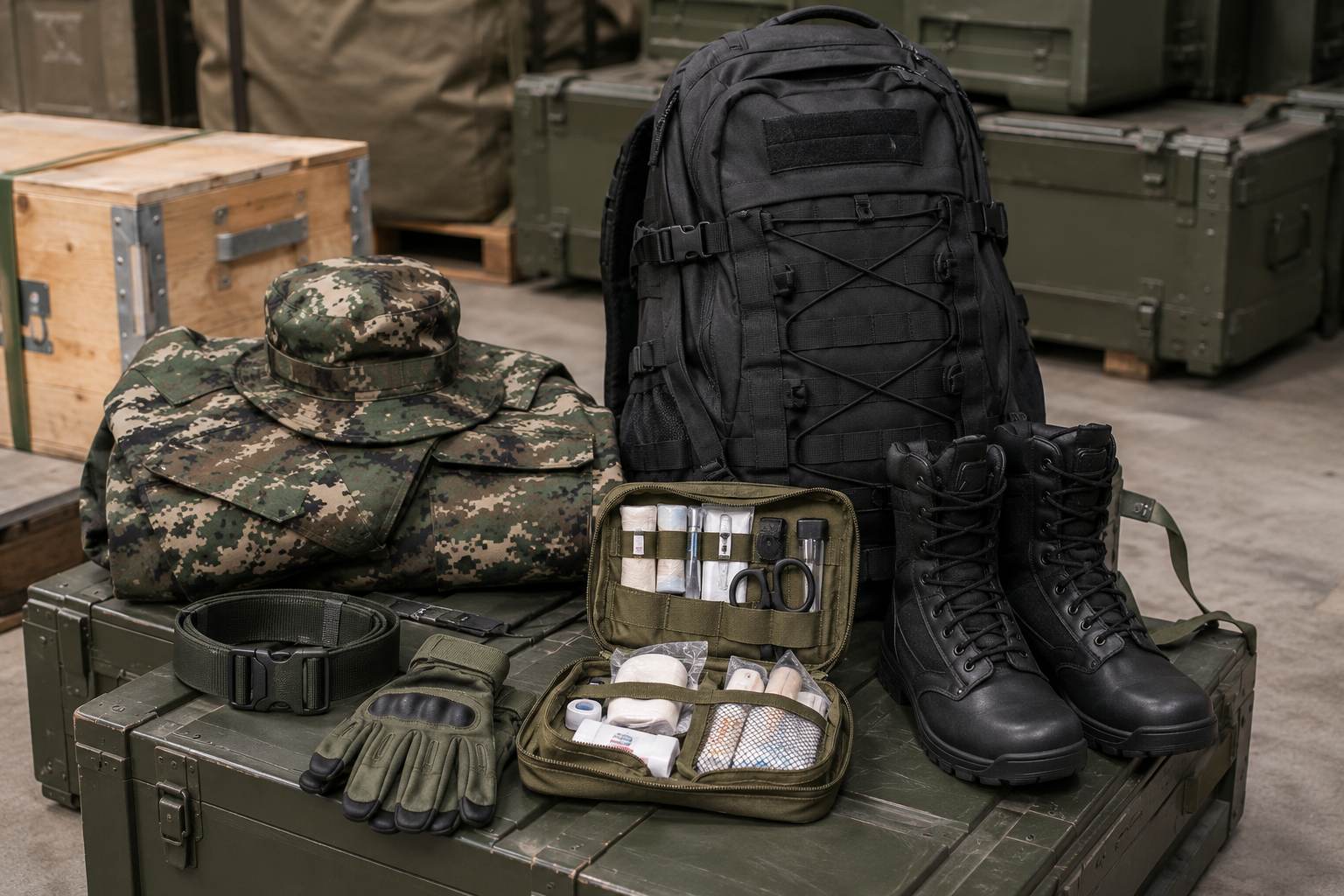
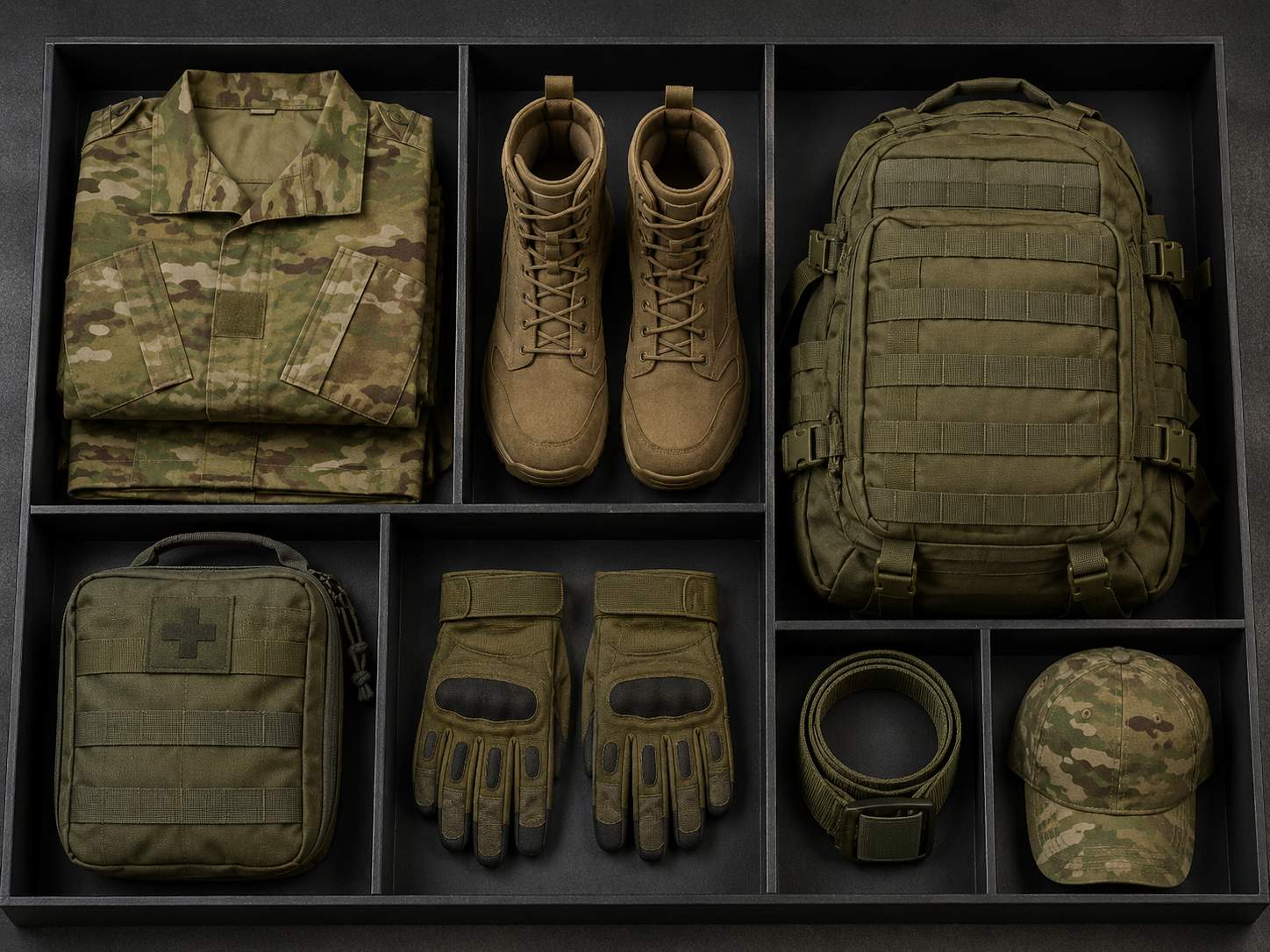
In this guide, military supplies and equipment mean non-ballistic field gear. Examples include uniforms, tactical boots, backpacks, belts, gloves, hats, medical kits, and outdoor support tools. These groups are closely linked to daily logistics because they are handed out often. They are replaced on a regular schedule. They are also kept in large amounts. When they are not sorted well, even a tiny mix-up can cause a big storage issue.
Why Are Military Supplies Key to Readiness?
The term military supply key is often used in a broad sense, but it holds a very real meaning in logistics planning. Military supplies and equipment are key because they decide if staff can be dressed, geared, moved, and backed up without a wait. A lack of correct boot sizes can slow down handouts. A weak backpack design can drive up replacement needs. A poorly built medical kit can cause trouble during field prep.
Class-based planning helps buyers avoid treating every item like the exact same stock. Uniforms require checks on material, fabric weight, size range, and color. Boots need tests on sole grip, top material, weight, and ankle hold. Backpacks require checks on volume, fabric toughness, pocket layout, and water resistance. Medical kits need inner item matching and firm packing proof. These details change military supplies and equipment from a simple buying list into a strict logistics plan.
How Does the Supply Room Military Workflow Improve?
The supply room military workflow relies on taking in, storing, handing out, and checking goods with very few mistakes. When military supplies and equipment arrive without clear groups, workers might store items only by ship date or box tag. This makes later handouts much slower. The team has to search by product name, size, or job instead of supply class and use case.
Buyers should check product type, material, size range, weight, sample access, and packing style. After arrival, the storage room can split-sized items, load-bearing gear, medical kits, and field tools into useful zones. This makes daily handout tasks faster. It also lowers the chance of giving out the wrong item to the wrong user group.
For instance, uniforms and boots should not be tracked just by total count. They must be tracked by size. One missing size can cause the exact same issue as a full shortage. Backpacks should be checked by volume and fabric sort. Medical kits must be checked by the inner setup. The outer bag alone does not show if the kit meets the buyer’s field needs.
What Specifications Should Buyers Control?
Product detail control is where logistics planning becomes easy to measure. Buyers should not trust broad words like durable, tactical, or outdoor-ready. They should ask for strict product data. Then, they should link that data to the supply class. The four product examples below show how military supplies and equipment can be checked without mixing unrelated groups.
| Product Category | Key Specification | Logistics Use | Inspection Focus |
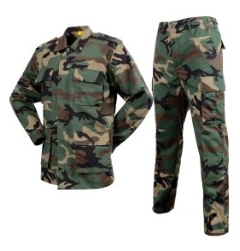
| BDU Camouflage Uniform Set | 65% polyester, 35% cotton; S–3XL; 215–220 g/m² | Size-based clothing supply | Size, stitching, fabric weight |
| 07 Combat Boots | Rubber, cowhide, Oxford cloth; sizes 39–46; 0.8 kg/pair | Footwear issue planning | Sole grip, size, upper material |
| 807 Mountaineering Backpack | 800D Oxford cloth; 45L; 0.9 kg | Load-carrying gear control | Capacity, stitching, buckles |
| Tactical First Aid Kit | 400D water-repellent Oxford cloth; 1 kg; optional contents | First aid kit preparation | Inner items, bag quality, packing |
It shows how one supplier’s non-ballistic military supplies and equipment can be sorted by job, detail, and check need. The same rule applies to belts, gloves, hats, rain gear, and camp beds when the buyer sets up a larger buying plan.
How Can Class Planning Reduce Purchasing Risk?
Class planning cuts risk because it makes buyers ask the right questions before they place an order. A basic request for military supplies and equipment might look easy, but it can hide many flaws. Which items need samples? Which goods are in stock? Which items need size splits? Which products can be packed together? Which goods need photo or video proof before the final payment?
When goods are grouped by supply class and job, buyers can set distinct check rules. Clothes and boots need size tests and material checks. Backpacks need load-based build checks. Medical kits need content checks. Add-ons need use and packing checks. This stops one basic checklist from being used on goods that have very different failure risks.
If a buyer must order more uniforms, the team can check the size used instead of guessing. If backpacks are handed out faster than planned, the buyer can review volume and use cases. If medical kits need different inner items, the buyer can change the setup without altering the whole supply plan.
Conclusion
Military classes of supply give buyers a sound frame for sorting military supplies and equipment before issues hit the warehouse. The aim is not tricky words. The aim is better control over size, material, volume, kit contents, checks, and restocks. When buyers sort goods by job and logistics habits, the storage space becomes easier to manage. Field prep also becomes more stable. For buyers planning uniforms, boots, backpacks, medical kits, and related non-ballistic gear, Jingming Trading can support group-based buying with strict product details, stock choices, sample checks, and ship matching.
Search Intent FAQ
How should buyers request a quote for military supplies and equipment?
Buyers should list product group, amount, size range, color, material needs, use case, and delivery goals. A quote for military supplies and equipment becomes much more exact when uniforms, boots, backpacks, and medical kits are split by details instead of tossed into one basic request.
What affects the price of military supplies and equipment?
Price shifts based on fabric, material grade, size range, order size, stock status, custom needs, packing style, and transit plans. For instance, a 65% polyester and 35% cotton uniform set is priced quite differently from an 800D Oxford cloth backpack or a water-safe medical kit.
How can military supplies and equipment be checked before shipment?
Buyers can ask for pre-made samples, final checks, and photos or videos of samples or finished goods before shipping. This is very helpful for sized goods like uniforms and boots, as well as set goods like medical kits.
Why does the supply room military team need clear categories for military supplies and equipment?
Clear groups help the supply room military team take in, store, hand out, and count goods with much more care. Uniforms should be tracked by size. Boots should be tested by size and sole traits. Backpacks should be run by volume. Medical kits should be checked by inner contents.
What after-sales support matters for military supplies and equipment orders?
Helpful support covers detail checks, sample tests, ship photo or video updates, packing proof, and teamwork with the buyer’s shipping agent. For military supplies and equipment, after-sales support should help cut order mistakes and make future restocks much easier.



