

As a key combined business and sales firm located in Guangzhou, Guangzhou Jingming Trading Co., Ltd. has worked for more than ten years as a main player in making tactical equipment. We have built lasting and steady partnerships with numerous African governments and armed forces. We supply top-notch, task-vital tools. In our regular talks, one common issue from buying staff and safety experts is the discussion on plate carrier vs bulletproof vest.
Picking the proper defense goes beyond simply “getting a vest.” It involves fitting the danger level to the work setting. If you are gearing up a fast-action group or a fixed guard team, knowing the details of current body protection is vital for staying alive and working well.
Understanding the Fundamentals of Body Armor
To reach a smart choice, we need to start by explaining what we compare. People outside the field often mix up the words. But in a real military or police setting, they point to two different ways of defense.
What is a Bulletproof Vest?
In talks about plate carrier, a basic bulletproof vest mainly aims to block pistol bullets. At Jingming Trading, our complete line of bulletproof vests uses an inside layer with 24, 28, or 36 UD layers of aramid or PE. This “soft armor” bends easily and guards a bigger part of the upper body. It includes the sides and at times the neck and groin area.
What is a Plate Carrier?
A plate carrier is a flexible vest made to carry “hard armor” bullet plates. A bulletproof vest gives wide soft armor guard. But a plate carrier targets the “vital box.” That means the heart and lungs against fast rifle shots. When looking at bulletproof vest vs plate carrier options, the carrier often has no built-in bullet stop unless you add hard plates to the inside pockets.
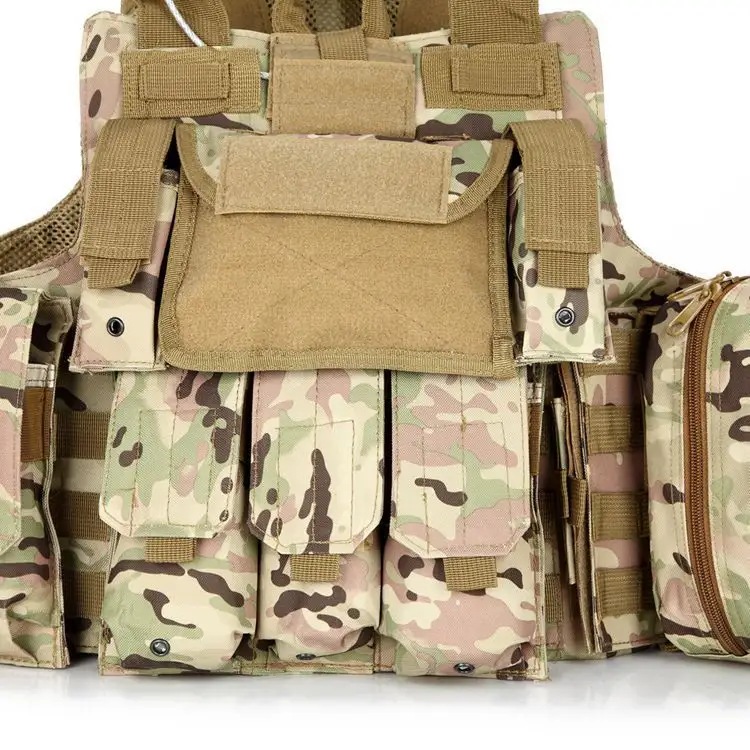
Plate Carrier vs Body Armor: Analyzing the Core Differences
The pick between a plate carrier and a full bulletproof vest usually rests on the mix of movement and top coverage.
Ballistic Protection Levels
The main split comes from the danger type. Soft bulletproof vests usually hit NIJ Level II or IIIA marks. These work well against most pistol ammo. Yet, in a fight or high-danger spot where rifles like the AK-47 or AR-15 appear, soft armor falls short. This makes the plate carrier a must. By adding ceramic, polyethylene, or steel plates, a plate carrier can hit NIJ Level III or IV guard.
Coverage vs. Weight
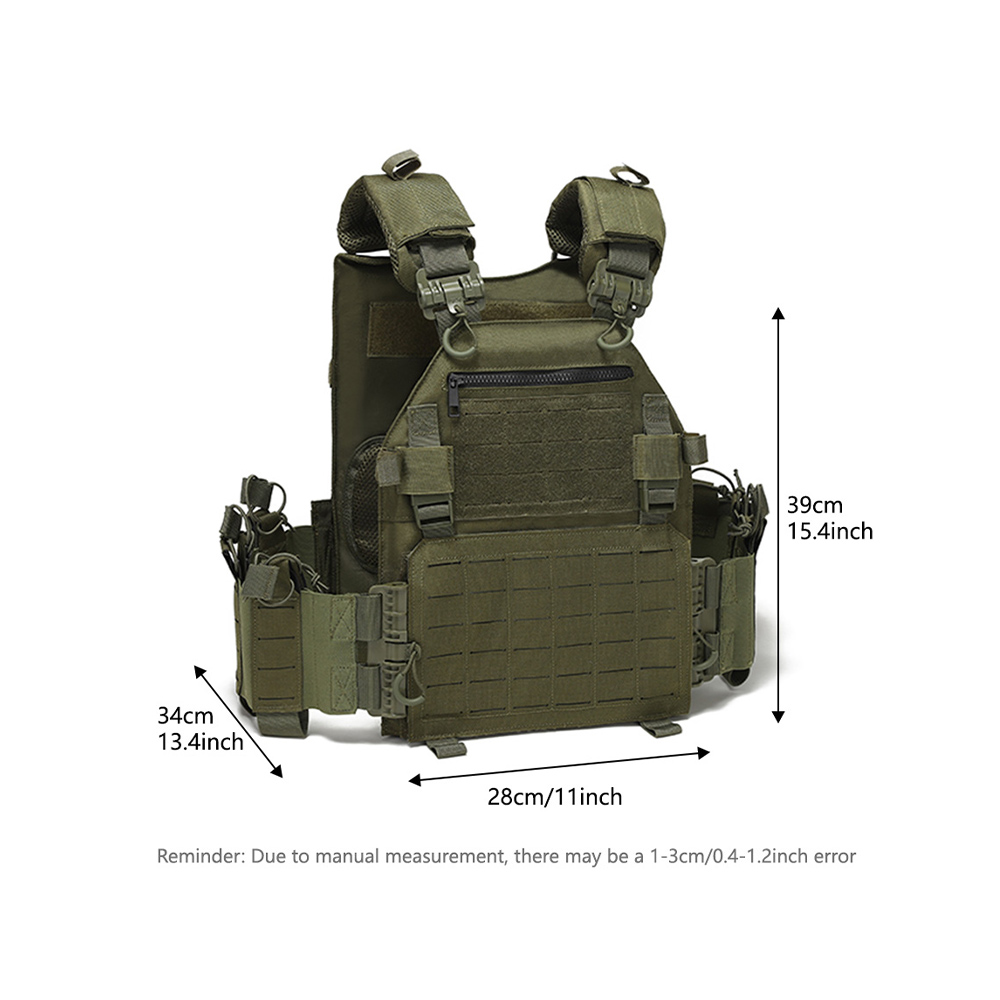
One of our best items, the Full Set of Bulletproof Vests, tips the scale at about 2.6kg. It gives a guard zone of 0.28 to 0.55 square meters. It comes with flexible parts like shoulder pads and crotch plates. By comparison, our Quick-wear Tactical Vest acts as a “one size” flexible setup. It stresses quick use and nimbleness. It has airy cotton mesh and thick pads for comfort in strong-action moves.
Tactical Utility and Modularity
Current safety tasks need more than just defense. They call for carrying tools too. When checking plate carrier vs body armor, flexibility stands out as a big point. Our tactical vests and plate carriers are “all modularized.” This means you can join and adjust them freely with magazine holders, medical packs, and radio tools.
Flak Jacket vs Plate Carrier: A Historical and Functional Comparison
The word “flak jacket” comes up often from those with army experience. But in today’s flak jacket vs plate carrier talk, the flak jacket mostly counts as an older version of the current systems.
In the past, a flak jacket aimed to shield from shell bits, blast pieces, and junk. It did not always stop bullets. Today’s bulletproof vests have taken over flak jackets. They offer both blast guard and proven bullet resistance. On the other hand, a plate carrier serves as a focused item for straight action. If your team works in spots with big chances of side blasts or bursts (shell bits), a complete bulletproof vest with a wider guard zone works better. If they face direct shots from rifles, the plate carrier sets the norm.
Technical Comparison of Protective Gear
To aid our business-to-business customers in seeing these splits, we have gathered the next info from our ongoing rule-making at Guangzhou Jingming Trading.
| Feature | Full Bulletproof Vest Set | Quick-wear Tactical Plate Carrier |
| Primary Material | 1000D Oxford + Aramid/PE UD | 1000D Nylon |
| Protective Area | 0.28 – 0.55 m² | Vital Organs (Plate dependent) |
| Standard Weight | 2.6 kg | Varies (Lightweight carrier) |
| Mobility | Moderate (Full coverage) | High (Agile/Quick-on) |
| Best Use Case | Security/Law Enforcement | Military/Rapid Response |
| Modularity | Modular pieces | Fully modular/Expandable |
Why Source Your Protective Gear from Jingming Trading?
With a 6,800 square meter plant and more than 200 staff, we make sure of steady and smooth deliveries for big government and army buys. Our yearly output hits close to twenty million units. This shows we can manage large business-to-business needs.
We keep tight quality checks with samples before making and last looks before sending. For our global buyers, we give clear views by sharing videos and photos of done items for approval. As a combined business and sales firm in Guangzhou, we can provide the best shipping paths and flexible payment options in USD, EUR, or RMB.
Making the Right Choice for Your Team
When picking bulletproof vest vs plate carrier for your group, consider these three points:
- What is the threat? Pistols need soft armor. Rifles need hard plates in a carrier.
- How long is the mission? For drawn-out fixed guard work, the even weight of a full vest may suit better. For fast tactical shifts, a light plate carrier is key.
- What accessories are needed? Both our vests and carriers support the MOLLE system for adding items like our Nine-piece Belt Set or first aid kits.
In the end, many current teams use a “stepped” method. They pick plate carriers that take soft armor adds. This gives a balanced spot in the plate carrier vs body armor range.
FAQ: Solving Your Tactical Gear Procurement Challenges
Can a bulletproof vest stop rifle rounds?
In general, no. A regular soft bulletproof vest (Kevlar/PE) aims at pistol dangers. To block rifle shots, you need a plate carrier with hard bullet plates (Level III or IV). Our full set of bulletproof vests gives a solid base. But for rifle guard, hard adds are required.
Is a plate carrier or a bulletproof vest better for hot climates?
Plate carriers usually handle heat better. They cover a smaller area, which aids airflow. Our tactical tools also use airy cotton mesh linings. These help deal with warmth in army outdoor tasks.
How do I know if I need a full set or just a carrier?
If your team faces risks from blast bits or shots from many sides (like crowd control or city safety), a full set with a bigger guard zone is safer. For teams needing high movement in tactics, a quick-wear plate carrier brings the needed speed.
What is the lifespan of this protective gear?
The outside 1000D Oxford or Nylon cloths hold up very well and resist rips. But the bullet adds (Aramid/PE) often last 5 years on the shelf. We suggest routine checks to make sure the material strength stays solid and reliable.
Do you offer customization for government orders?
Yes, we focus on giving OEM/ODM help. We can adjust details from cloth thickness and shade to the exact flexible parts needed for your tactical or safety items.



