
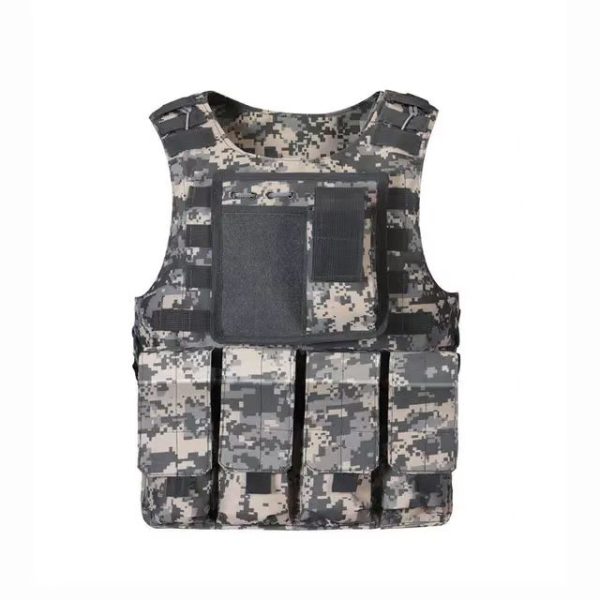
Setting up a tactical vest or plate carrier the right way matters just as much as picking the correct gun. If you work in law enforcement, the military, or security tasks, the way you set up your vest impacts your movement, safety, ease, and performance. A well-planned vest setups and tactical vest loadout let you grab key items fast when things get tense. These include ammo, radio equipment, medical kits, and water supplies. At the same time, it keeps the weight even and your body’s balance steady.
In this guide, we’ll learn how to create solid tactical vest configurations. It will also cover key differences, such as plate carrier vs tactical vest and plate carrier vs body armor. Plus, it offers practical tips on setups tailored to specific jobs. These range from regular patrols to dangerous building entries.
What Tactical Vests and Plate Carriers Are — And Why They Matter
People often see a “tactical vest” as a simple carrier with pockets. But it acts as a focused base for holding vital task items. It gets tuned mainly for placing gear, sorting it out, and spreading the weight. This setup focuses less on stopping bullets directly. On the other hand, a plate carrier setup gets built to hold bullet-resistant plates. It offers defense against real dangers. Yet, it still works as a base for add-ons and carrying loads.
To put it simply, the plate carrier vs vest choice does not mean one is always superior. They handle similar but separate jobs:
- Tactical vest setup centers on load bearing and organization. It handles magazines, radios, and IFAKs.
- Plate carrier vs body armor stresses bullet defense first. It uses hard plates to shield key body parts.
Grasping this difference aids in selecting the proper tools for your job and risk level.
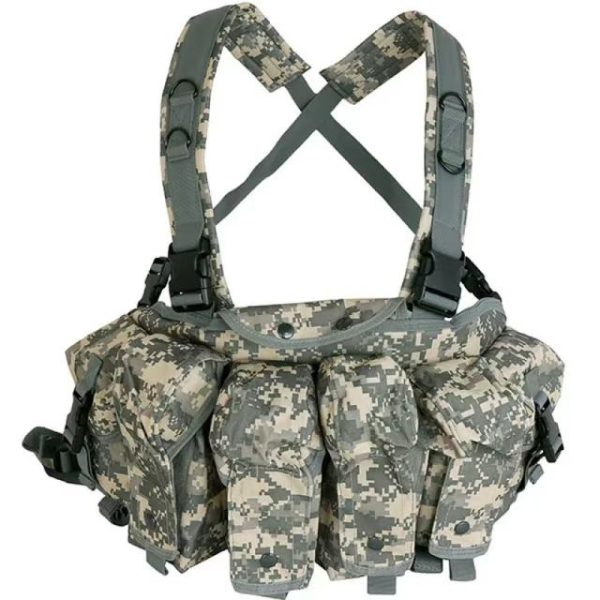
Core Principles to Build a Tactical Vest Loadout
Purpose Determines Setup
Your tactical vest loadout changes based on the job at hand:
- Patrol and Routine Law Enforcement: The main focus falls on flexibility, ease, and easy reach to items. Heavy bullet panels take a back seat.
- SWAT and High‑Risk Entry: You would center on a best tactical plate carrier setup. It includes Level III/IV armor. You need quick access to ammo, entry tools, and medical supplies.
- Military Operations: A strong army plate carrier setup blends bullet defense, communication tools, water carriers, and pouches for combat loads.
Start With the Base: Vest or Plate Carrier
Picking the correct base depends on the work ahead:
- Tactical Vest: This suits everyday shifts with lower bullet risks. It centers on gear with MOLLE spots for tools, radios, and magazines.
- Plate Carrier: It fits fight settings with hard plates and MOLLE for job must-haves.
A typical law enforcement method uses a plate carrier vest setup. It takes soft armor for normal days. Then, it switches to plates as risks grow.
Fitting and Ergonomics — Getting It Right
Good fit goes beyond just feeling okay. A badly tuned vest or carrier can slow you down and weaken defense. For plate carrier setup, make sure plates guard the “cardiac box.” That is the middle chest area. Avoid having them sit too low. This step boosts bullet safety without blocking motion.
Tighten the shoulder straps firmly. Secure the cummerbund around your waist. The load should fit close to your body. It must not move on its own as you shift.
Tactical Vest Configurations: Compartment Priorities
Building your tactical vest configuration involves evenness and easy access. Here is my way of ranking the spots:
Front and Chest Layout
- Primary weapon magazine pouches: Place them for fast refills. Avoid reaching across your body.
- Secondary weapon or pistol mags: Put them on the strong-hand side. This allows natural pulls.
- Radio and comms pouch: Set it high near the shoulder. This lets you use it without clashing with the system.
Essential Survival and Support Gear
- Individual First Aid Kit (IFAK): Position it so both hands can grab it swiftly.
- Hydration carrier: Center it on the back. This keeps the carry balanced.
- Dump or utility pouch: Use it for used magazines, tools, or job-specific items.
These choices mark the line between a solid tactical vest setup and the best tactical vest setup. They rely on habit-based placement and the order of tasks.
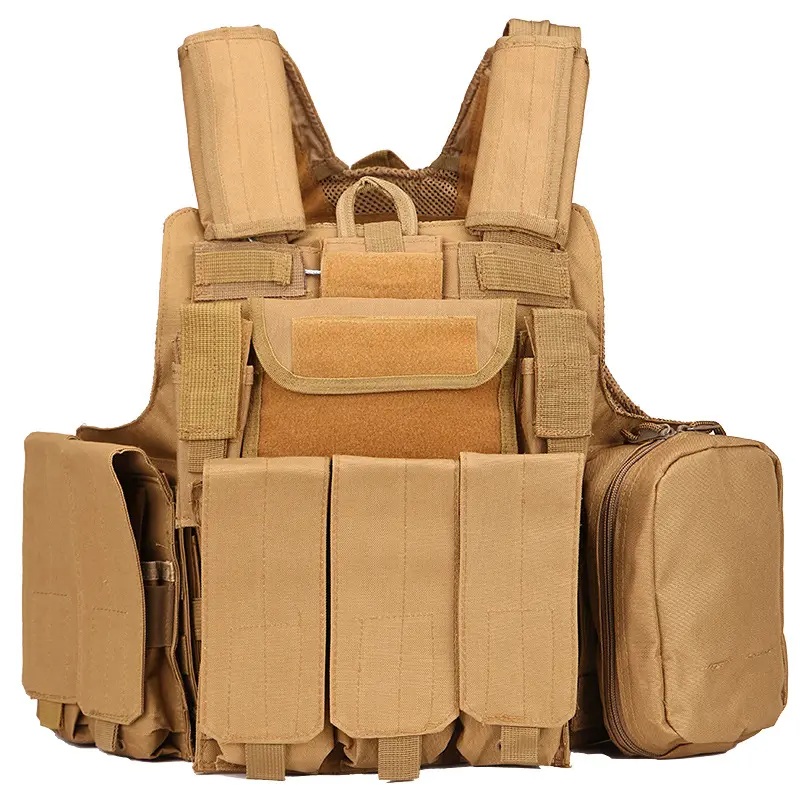
Setting Up a Plate Carrier for Maximum Effectiveness
A tactical plate carrier setup brings in the added layer of bullet defense to your carry plan:
Choose Appropriate Plates
Pick plates made of ceramic, steel, or composite materials. Base the choice on job risk and movement demands. Ceramic types weigh less and stop rifle bullets well. Steel ones carry more weight but hold up strongly.
Balance Weight and Mobility
When setting up a plate carrier, spread out magazines, IFAK, and water carriers. Do this so nothing drags you back or throws off your balance point. This forms the best tactical plate carrier setup. You aim for safety without losing quickness.
Customize for Mission
- Raid or CQB: Stress movement. Cut back on back items. Keep front access clear.
- Patrol: Add key magazines, communication gear, water, and soft armor. Use a slim carrier.
- Rural or extended operations: Include utility pouches for tools, maps, and survival items.
Load‑Bearing Vest Setup Versus Full Plate Carriers
A load bearing vest setup stresses carrying ability without full bullet inserts. These work great when defense needs are small. They shine when ease and lasting power count more. Think long walks, traffic duties, or guard posts.
On the flip side, a plate carrier vs tactical vest pick often hinges on risk level. If bullet safety is a must, go with your plate carrier setup. If not, a tuned tactical vest offers better ease and item reach.
Testing and Adjustment
You need to check your vest or carrier in actual settings, even after detailed planning. Run timed exercises. Walk paths while loaded. Then, tweak spots based on feel and reach. This step-by-step method sharpens your vest setups. It turns them into a natural and helpful system for tasks.
Common Mistakes to Avoid
- Overloading: Excess items upset evenness and cut movement.
- Poor pouch placement: Items tough to get in tough spots end up worthless.
- Ignoring comfort: Spots of pressure and rubbing shorten your staying power over long use.



