
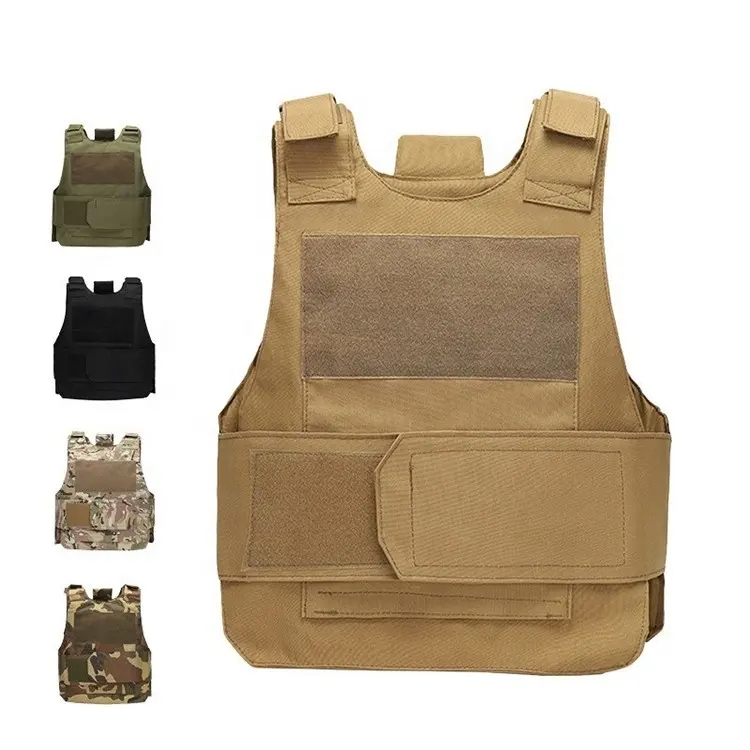
In security tasks, the correct tactical vest or plate carrier arrangement plays a key role in balancing movement and defense. Security workers, army members, and police groups deal with tougher work settings all the time. Thus, their gear arrangements must adapt well, work smoothly, and perform reliably. This piece looks at the top arrangements for tactical vests and plate carriers. It offers tips on the right picks for different jobs. We focus closely on pro options and actual uses. We cover the best tactical vest setup, plate carrier loadout, and extra items needed for varied security tasks.
Understanding Tactical Vests and Plate Carriers
A tactical vest or plate carrier ranks among the main tools for army and safety staff. These carrying systems let you hold vital items like bullets, health aids, radios, and more defense. They also supply the armor needed for your well-being. The two chief kinds of arrangements include tactical vests, which are more bendy and adjustable. Plate carriers aim to give stronger defense with firm plates. The best arrangement hinges mostly on the exact job needs, task aims, and the area where you work.
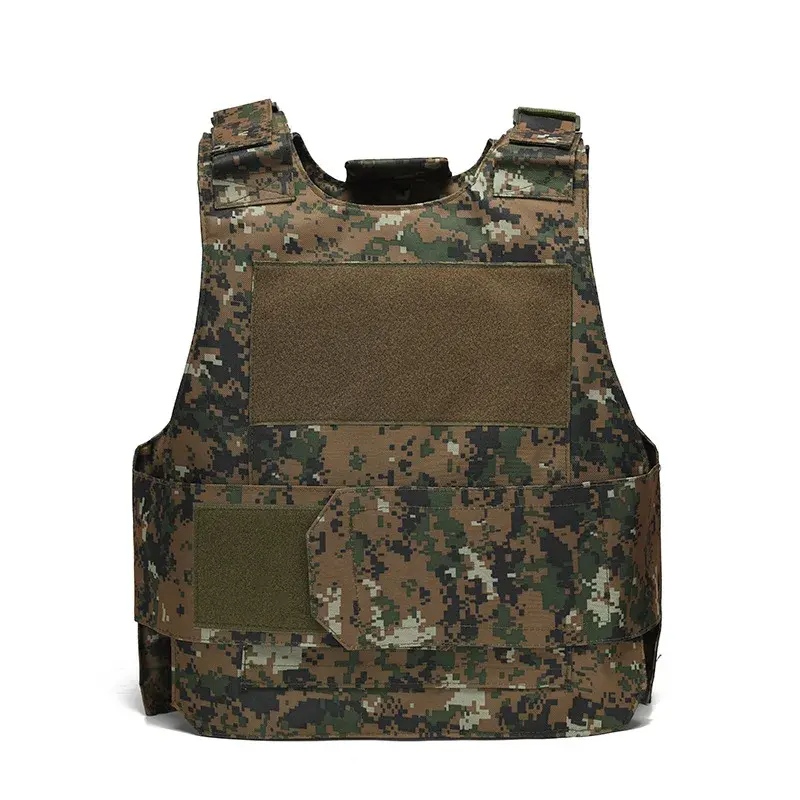
The Ideal Tac Vest Loadout for Security Operations
The tac vest loadout needs to find a good mix of ease, movement, and usefulness. Tactical vests usually weigh less than plate carriers. Yet, they still offer plenty of room and order for required items. Here is how you can boost its value:
- Armor Plates: Tac vests weigh less overall. Still, adding soft armor parts will bring important defense. For jobs needing extra safety, pick a tactical vest with bullet plates or mixed defense. The aim is to blend ease and defense. At the same time, do not cut into movement.
- Load Distribution: For solid carrying, make sure the weight spreads out evenly. Common styles have adjustable holders and handy pockets. These holders give fast reach to tools, bullets, or health packs in tense spots.
- Functionality for Quick Access: A best tactical vest setup should put fast reach to key tools first. These include a health kit, talk gear, and guns. Holders that attach to magazine carriers, cuffs, and other basics are usual points to think about.
- Adjustability and Fit: Safety tasks often mean long times wearing gear. So, making your tactical vest fit your build with changes is vital. A cozy fit will lower tiredness and stop rubbing. This lets you last longer in drawn-out jobs.
- Breathability and Ventilation: Tactical vests can feel heavy if not built with good air flow. Airy mesh covers and air holes matter a lot. They help keep you from getting too warm in hot spots. This holds true especially out in the field for long tasks.
Plate Carrier Loadouts for Heavy-Duty Protection
Tactical vests bring ease and movement. But plate carriers stand out for their sturdier defense. People use them often in tasks where bullet risks run higher. Plate carriers, mainly those with many-sided adjustable traits, let you add defense. And they do not cut movement too much.
- Plate Carrier Setup with Armor Plates: The main trait of a plate carrier is its skill to hold firm armor plates. These plates can block fast rounds. They prove key when in unfriendly areas. Based on your job, you can pick Level III or Level IV plates. This gives different levels of defense.
- Modular Design: Plate carrier setups often come with different add-ons for tools like water systems, gun holders, or extra pockets for health kits. Adjustable styles like MOLLE make it simple to tailor your plate carrier loadout to fit any case.
- Weight and Comfort: A drawback of plate carriers is their extra weight from firm armor plates. However, new styles use body-friendly bands and light stuff. This means users feel less worn out. A light, well-spread load matters to keep movement up.
- Hydration and Communication: Water packs and talk tools are musts for long tasks. Plate carriers usually have MOLLE-fit water pockets and radio holders for these. Staying hydrated and linked can save lives in hard jobs.
- Retention and Security: Hold systems, such as changeable waist bands and shoulder ties, aim to keep the plate carrier in place firmly. These setups make sure your tools stay put during shifts. They matter most in strong-action tasks.
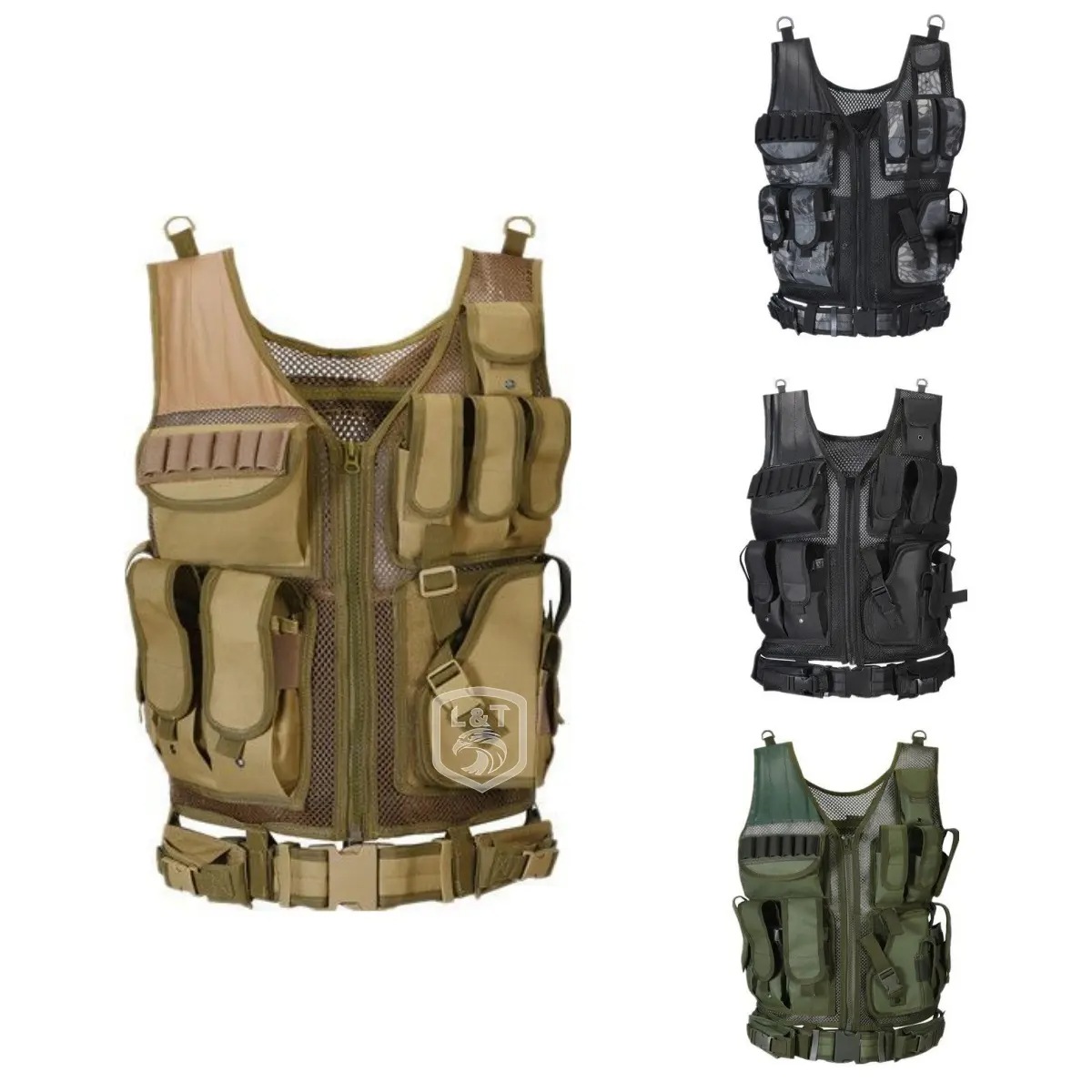
The Best Tactical Kit Setup for Security Professionals
Besides the main tactical vest or plate carrier arrangements, pros must think about extra items that match their setup. A tactical kit setup should cover talk needs, health wants, and task flow. Here is what to weigh for a full kit:
- Best Lightweight Tactical Boots: Ease and defense begin at your feet. The best lightweight tactical boot joins lasting build, ease, and backing. It makes sure you can shift quickly and well. This works in bumpy land or city spots. Picking the right boots can cut foot wear and boost your productivity in long tasks.
- Tactical Gloves and Accessories: Tactical gloves aid hand skills while providing palm safety in tasks. Gloves that do not slip offer hold and lower hand harm risks. Plus, face covers and safety items like helmets can bring key defense against area dangers or risks in a job.
- Medical Supplies: For any job, holding basic health items is a must. Tactical vests and plate carriers often have pockets for hurt kits, stop-bleed wraps, and Israeli wraps. Fast reach to these in urgent times could change everything.
- Ration Packs and Hydration Systems: Long jobs need food and drink. Tactical arrangements often hold pockets for meal packs and water systems like Camelbaks. Keeping watered and fed helps hold energy and better task lasting.
- Night Vision and Surveillance Equipment: Based on the job type, holding night sight glasses and watch tools could prove key for good results. Helmets and add-ons that fit night vision often suit tactical work in dim light areas.
Key Considerations for Choosing the Right Setup
- Mission-Specific Needs: Shape your gear to the exact job. High-risk spots like fight cases call for plate carriers with thick armor. Safety walks might need lighter tactical vests.
- Customization: If using a tac vest loadout or plate carrier setup, the chance to change your gear means you can fit new settings or fresh risks.
- Comfort and Mobility: Always check your gear before a task. It should give top defense while letting quick shifts and reach.
Conclusion
At Guangzhou Jingming Trading Co., Ltd., we focus on supplying fine tactical tools for safety and army staff. Our items, like tactical vests, plate carriers, tactical boots, and health kits, aim to fit the strict needs of security tasks. With our long know-how in tactical and army tools, we work to aid pros with the top gear to boost their safety, ease, and task work.
For more details on our full line of items, including the best tactical vest setup and plate carrier loadouts, please talk to us straight. We hope to back your job with leading tactical fixes.
FAQ
What is the difference between a tactical vest and a plate carrier?
A tactical vest usually brings lighter defense and more flexibility. A plate carrier aims for top defense with firm armor plates. It suits more risky areas.
How do I ensure the best tactical vest setup for my needs?
Put focus on ease, movement, adjustability, and fit. Pick an arrangement that makes it easy to reach key tools. It should offer enough defense based on your job wants.
What is a good plate carrier loadout for combat scenarios?
For fight cases, a plate carrier loadout with Level III or Level IV plates for bullet defense works well. Add water systems and pockets for bullets, health items, and talk tools.
How can I improve my mobility with a tactical kit setup?
Keep the weight even and make sure your gear fits right. Think about using light but strong items. These include best lightweight tactical boots, airy vests, and adjustable add-ons that do not block shifts.
What are the best lightweight tactical boots for security operations?
The best lightweight tactical boot should bring ease, lasting build, and ankle support. Boots with soles that grip and airy stuff, such as the 07 Combat Boots or M16 Boots, make fine picks for long jobs.



