
Understanding Load-Bearing Vests
Definition and Primary Purpose
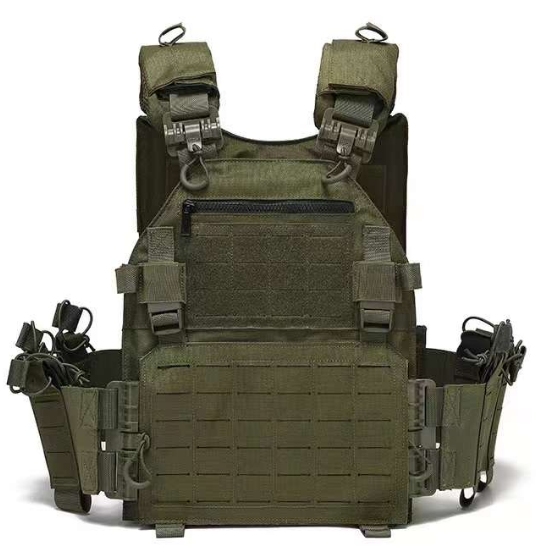
A load-bearing vest is an important part of tactical gear. It spreads the weight of carried items evenly over the body. This helps avoid sore spots and cuts down on tiredness during long periods of wear. Many soldiers, police officers, and people who enjoy outdoor activities like walking in the woods or hunting use this type of vest.
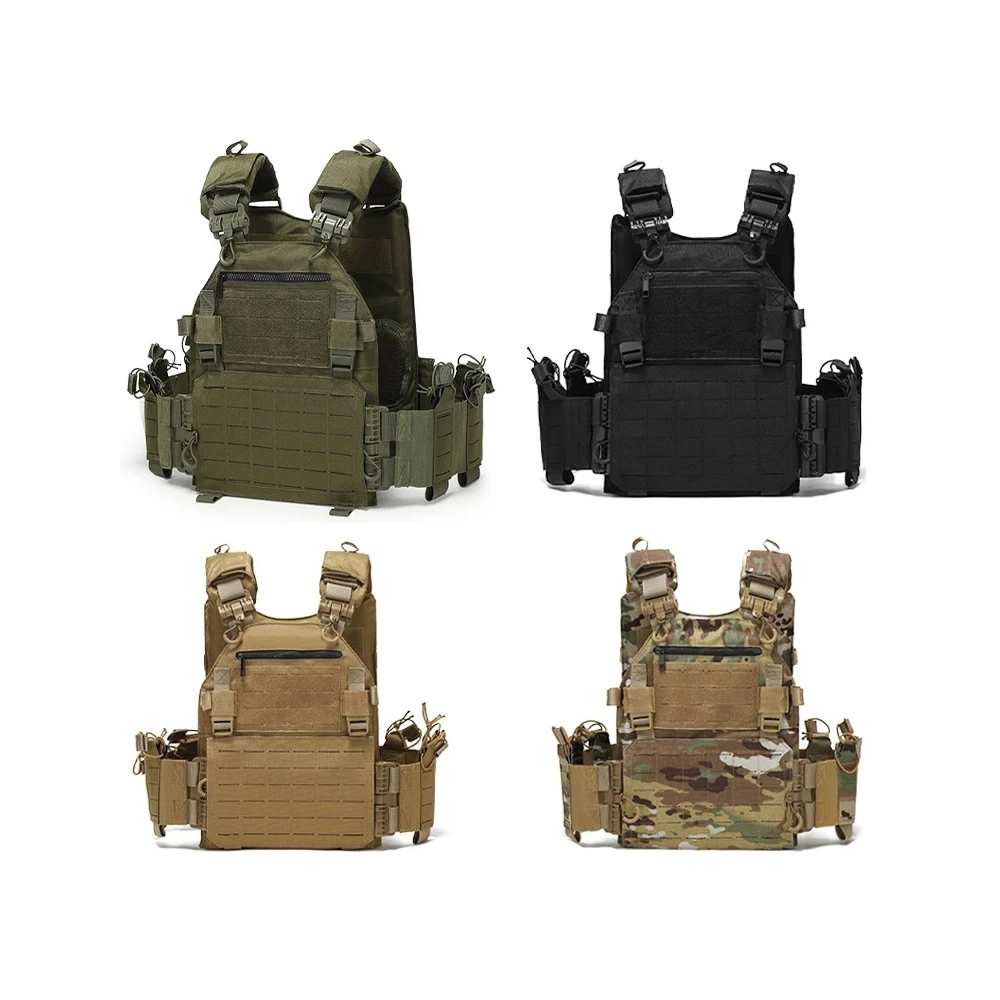
Quick-wear Tactical Vests come from strong 1000D nylon material. They resist tears well and let air pass through. Plus, they are modular. These vests work well for fast setup. And they fit different tasks. The style lets users hold tools and items they need. At the same time, it keeps comfort and easy movement.
Key Features of a Tactical Vest Setup
A usual tactical vest setup has many pockets and bags made for certain things. For example, it holds ammo clips, radios, first aid kits, or water packs.
Everything is modular. So, users can mix and match parts freely. This lets them change the vest based on the job. Most vests have MOLLE (Modular Lightweight Load-carrying Equipment) webbing. That allows for easy changes.
Also, straps that adjust make sure the fit is safe and comfy for all body sizes. This kind of change is key when putting the vest over work clothes or protective plates.
Proper Cleaning Techniques for Load-Bearing Vests
Cleaning the Outer Fabric Safely
Washing your tactical vest often keeps it clean and makes it last longer. The right way uses cool water and a gentle soap. Wash the outside by hand. Stay away from bleach or strong cleaners. They can harm the cloth and make it weaker.
Scrub the vest softly with a brush that has soft bristles. This removes dirt and stains, especially near spots like shoulder cushions and bags. For vests such as the Quick-wear Tactical Vest, which has breathable cotton mesh lining and thickened cotton pads inside for more comfortable wearing, take extra steps to protect these inside parts.
Maintaining Velcro, Zippers, and Buckles
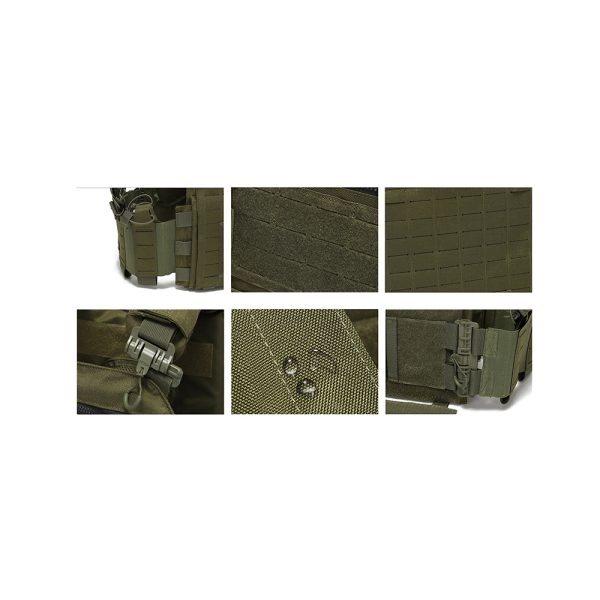
Tactical vests depend a lot on parts that hold things together. Velcro areas can pick up dirt over time. This makes their stick less strong. Use a comb with fine teeth or a roller for lint to clean out stuck fibers and bits.
Keep zippers working smoothly by putting on a lubricant made from silicone now and then. It stops rust and jamming. For plastic buckles, check them often for breaks or weak spots. If you see harm, swap them out right away. This avoids problems when you need the vest most.
Drying Methods That Preserve Material Quality
After you clean it, let your vest dry in the open air in a spot without the sun. Bright light can hurt materials like nylon or polyester. Do not put it in a machine dryer. The high heat might bend plastic pieces or make the cloth smaller.
Make sure all parts of the vest dry completely before you put it away. This stops mold from growing. The breathable cotton mesh in the lining helps it dry faster. But it still needs enough time.
Storing Your Tactical Vest Correctly
Choosing the Right Storage Location
Good storage keeps a tactical vest’s shape strong. Store it in a place that is cool and not damp. Keep it out of direct light and too much wetness. Do not leave it in spots with big changes in heat, like a garage or upstairs room.
The company has always adhered to the principle of “quality first, reputation first, reasonable price, customer first”, lean production, and effective management. Following this principle applies to product maintenance as well—taking care of your gear ensures it performs when needed.
Hanging vs Folding: What Works Better
It is better to hang your vest on a hanger with padding. This keeps its form and stops creases in the soft parts or plate holders. Folding might bend strong pieces for good or make weak areas as time goes on.
If you cannot hang it, put the vest flat in a drawer. Keep a little weight on it. Do not squeeze it hard.
Tips for Prolonging Vest Longevity
Regular Inspections for Wear and Tear
Looking at your load-bearing vest after every use spots problems soon. Check the edges where cloth joins, and threads hold, mainly where bags link to the MOLLE system. Worn spots or cut threads can make it less tough.
Look closely at all spots that attach, like Velcro bands and places where buckles connect. If you see steady wear in certain areas, think about adding extra threads or fix kits to make them stronger.
Avoiding Common Mistakes That Cause Damage
Do not fill the bags more than they can hold. Putting too much in can change the vest’s shape and pull hard on the threads. Always keep sharp items like knives in safe covers. This stops cuts or tears in the cloth by mistake.
The Quick-wear Tactical Vest features thickened pads inside for more comfortable wearing, which can be damaged if mishandled during storage or cleaning.
When to Replace Components or the Vest Itself
If just some parts like zippers or Velcro wear out, change those instead of throwing away the whole vest. The modular style makes it simple to switch single pieces.
But if the main build of the vest gets bad—for example, if the MOLLE webbing comes loose or if spots for ballistic plates do not hold tight—it is time to get a new one.
Guangzhou Jingming Trading Co., Ltd. produces and sells tactical vests all year round, ensuring consistent quality and availability should you need a replacement or upgrade.
Summary
A load-bearing vest helps a lot in getting ready for action. It spreads gear weight well over the body. Knowing the right ways to care for it—from soft cleaning to good storage—helps make it last and work well in tough spots. Modular vests like the Quick-wear Tactical Vest with one-pull quick-on and off design give choices. But they need steady care to stay sharp.
For anyone wondering what a load-bearing vest is or how to configure an effective tactical vest setup, these care steps matter as much as picking the best type.


