
Camo, or camouflage, helps soldiers hide in their surroundings during military tasks. This makes it tough for enemies to spot them. Military uniforms have changed over time. They now use many kinds of camo patterns for special needs. In this piece, we look at the main camo patterns. We discuss their good points. We also explain how items like camo uniforms and other gear can help troops in various places.

1. Introduction: The Importance of Camouflage in Military Operations
Soldiers first used camouflage on uniforms in World War I. The key aim was to let them mix with the area around them. This helped them stay out of sight. Now, armies everywhere use better camo tech. It fits different lands, weather, and goals. Camo uniforms work to split up the shape of a person’s body. As a result, soldiers are harder to see from far away. In city fights, thick woods, dry sands, or icy lands, these patterns give a big edge. They boost safety and help finish jobs well.
2. Different Types of Camouflage Patterns Used in Military Uniforms
Traditional Camouflage Patterns
Basic camo patterns get sorted by the places they suit best. These designs have proven strong over many years. They work well in all sorts of grounds. Here are some common ones that troops use a lot:
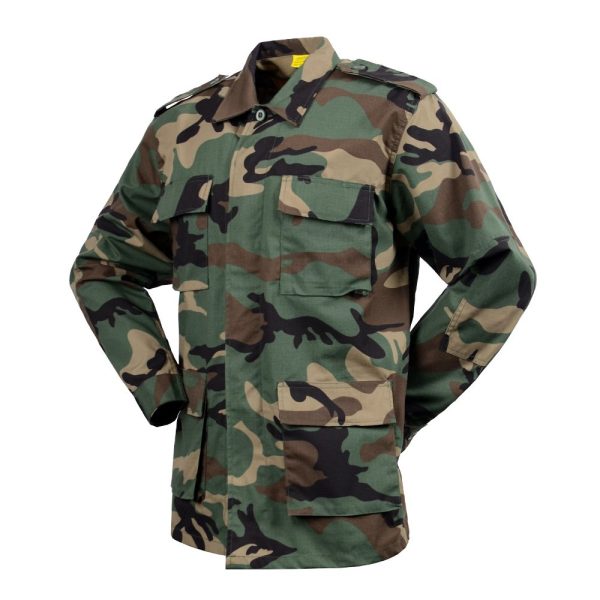
- Woodland Camouflage: This fits wooded or thick bush areas best. Woodland camo mixes green, brown, and dark spots. They match trees and plants. It does a good job of hiding a person’s outline in heavy green cover.
- Desert Camouflage: Desert camo suits dry and half-dry spots. In these places, the bright sun and empty lands can show soldiers easily. The patterns use light tan, sand color, and pale brown shades. Thus, troops can blend into sandy spots.
- Snow Camouflage: Snow camo works in cold, snow-filled areas like the far north or high hills. It blends white, gray, and soft blue colors. These match the white ground. So, soldiers can stay hidden in winter settings.
Digital Camouflage
Digital camo brings a fresh way to make hiding patterns. It uses tiny square shapes to copy odd bits in nature. The big plus is that it breaks up a person’s shape up close or far off. Old camo has big color blocks. But digital camo uses small bits. This makes it great for city spots and wild areas alike.
A well-known digital type is the U.S. Army’s ACU (Army Combat Uniform) pattern. It has tones of gray, green, and black. The design lets it fit in many places. These include cities, woods, and dry lands. Armies worldwide pick it up for its all-around use.
Multi-Terrain Camouflage
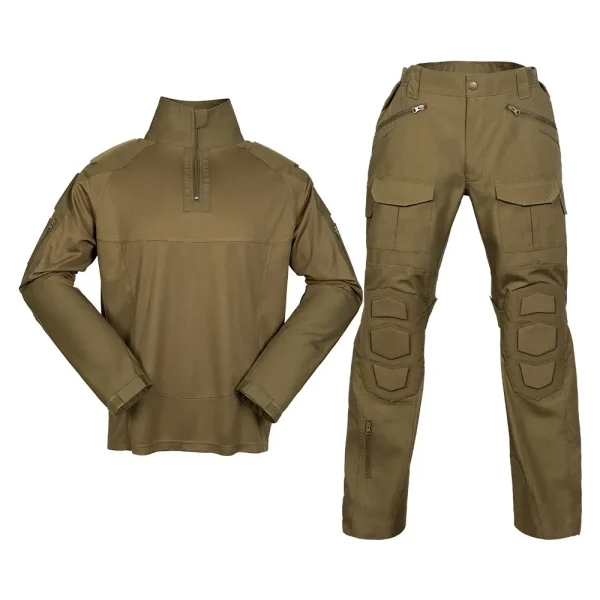
Multi-terrain camo, or MTC, aims to work in many kinds of places. It gives troops a handy choice for mixed settings. The pattern has several colors and forms. They copy real-world looks in woods, sands, snow spots, and city zones. This setup offers good flexibility. Soldiers can stay out of sight in different grounds. They do not need to swap outfits often.
One sample of multi-terrain camo is the British Army’s MTP (Multi-Terrain Pattern). It mixes green, brown, and black colors. It uses a square-like build. So, it suits spots from thick trees to open dry areas.
3. How Camouflage Patterns Are Chosen for Different Environments
Armies pick camo patterns with care. They match the job’s setting. Forces adjust their hiding gear to fit the land, weather, and task type. It is key to know the exact place and conditions. This helps choose the best pattern.
- Military Jungle and Forest Operations: In thick bush or tree areas, woodland camois the top pick. The green and brown mix lets soldiers fade into heavy plants. It hides them from wild dangers and human ones too.
- Desert and Urban Combat: Dry lands need desert camo. It blends with sand and rocks. City fights use special urban camo These have gray, black, and white shades. They look like concrete and building parts.
- Winter and Cold-Weather Camouflage: In chilly spots, snow camo matters a lot. White and gray colors let soldiers mix with snow ground. This helps in far north or hill jobs.
4. Advantages of Camouflage in Tactical Military Gear
Camo goes beyond just clothes. It covers all parts of the army tools. From tactical backpacks to bulletproof vests, patterns help hide in varied spots.
- Tactical Backpacks: Items like the 807 Mountaineering Backpack come in camo styles such as woodland or desert. These packs hold key supplies for long tasks. They stand up to tough weather and rough use.
- Bulletproof Vests: Camo also shows up on the Full set of Bulletproof Vests.This vest uses layers of aramid/PE and EVA stuff for a bullet shield. It has a build that lets users add parts as needed. Plus, it offers camo looks to keep users hidden on jobs.
5. Choosing the Right Camouflage Gear for Specific Missions
Picking camo tools needs thought on several things. Look at the place, job needs, and how long the task lasts. Some jobs in thick woods call for woodland camo uniforms. Dry area tasks might need desert camo.
Besides outfits, many tactical accessories have camo too. Think of non-slip gloves and face masks. These items give an edge in fights. They also guard against harm and add ease in hard work.
Conclusion: The Future of Camouflage in Military and Tactical Use
Army tech keeps getting better. Camo designs change with it. Square and all-ground patterns will grow. New cloth tech will make them tougher, nicer to wear, and more fitting for places. As mixed fights and city battles rise, switching patterns will matter more.
To wrap up, camo stays vital for army work. It lets soldiers hide in many spots. From deep woods, wide sands, or white hills, the right choice aids job wins. With fresh ideas, coming camo will lift army skills around the world.
FAQ
1. What are the main types of camouflage patterns used in military uniforms?
The most common camouflage patterns include woodland camo, desert camo, and snow camo. Woodland camo is used for dense forests and jungles, desert camo is designed for dry and sandy areas, and snow camo is used in snowy or cold environments. Additionally, digital camo and multi-terrain camo have become popular for their versatility across various landscapes.
2. How do digital camouflage patterns differ from traditional camouflage patterns?
Digital camouflage uses small square pixels that create a more abstract pattern, helping to break up the silhouette both at close and long distances. Unlike traditional camo scrubs, which relies on large color blocks, digital camo’s pixelated design offers better concealment in both urban and natural environments.
3. What tactical gear is available with camouflage patterns?
A variety of tactical gear comes in camouflage patterns, including military uniforms, tactical backpacks, bulletproof vests, tactical gloves, and military boots. Items such as Jingming Trading’s 807 Mountaineering Backpack and the Full set of Bulletproof Vests are designed with camo to help soldiers remain concealed while carrying essential gear or during combat situations.
4. How do I choose the right camouflage gear for a specific mission?
The right camouflage gear depends on the environment of the operation. For dense forest or jungle environments, woodland camo is the best option. For operations in desert areas, desert camo is more suitable, while snow camo is ideal for cold or snowy regions. Additionally, multi-terrain camouflage offers versatility in mixed environments.
5. What are the benefits of multi-terrain camouflage for military operations?
Multi-terrain camouflage (MTC) is designed to adapt to various environments, from forests to deserts and urban areas. It provides greater flexibility, allowing soldiers to use the same camo gear across different landscapes without needing to change uniforms frequently. This makes it an efficient choice for forces operating in diverse conditions.