

Core Components of an Effective Tactical Vest Setup
A good tactical vest setup starts with a strong base. This base needs to support flexibility, safety, and easy reach. Pick a vest made from tough materials. For instance, 1000D Nylon resists tears and lets air flow. The Quick-wear Tactical Vest has all modularized, can be freely spliced. It also adds breathable cotton mesh to the lining. These features give users freedom and ease during wear.
Your basic tactical vest setup needs spots for magazines, medical kits, communication tools, and hydration systems. You can add a bulletproof plate inside the lining for key safety. Plus, quick-release parts help in urgent situations. They speed up responses when time matters most.
Choosing the Right Vest for Your Tac Vest Loadout
Picking the best vest for your tac vest loadout relies on your goals and the setting. If your job calls for fast movement, easy gear access, and long field hours, a flexible design works well. The Quick-wear Tactical Vest fits this need perfectly.
It has a one-pull quick-on and off design. Also, all-around holes can be customized to install accessories. These make it great for quick actions. For police or army workers who need strong bullet protection, a complete bulletproof vest set might be key. The vest uses 1000D outer nylon fabric, more wear-resistant. And it has a bulletproof lining that can be freely disassembled and replaced.
Knowing your tac vest loadout needs helps you decide. You can go for a light tactical vest or a full plate carrier system.
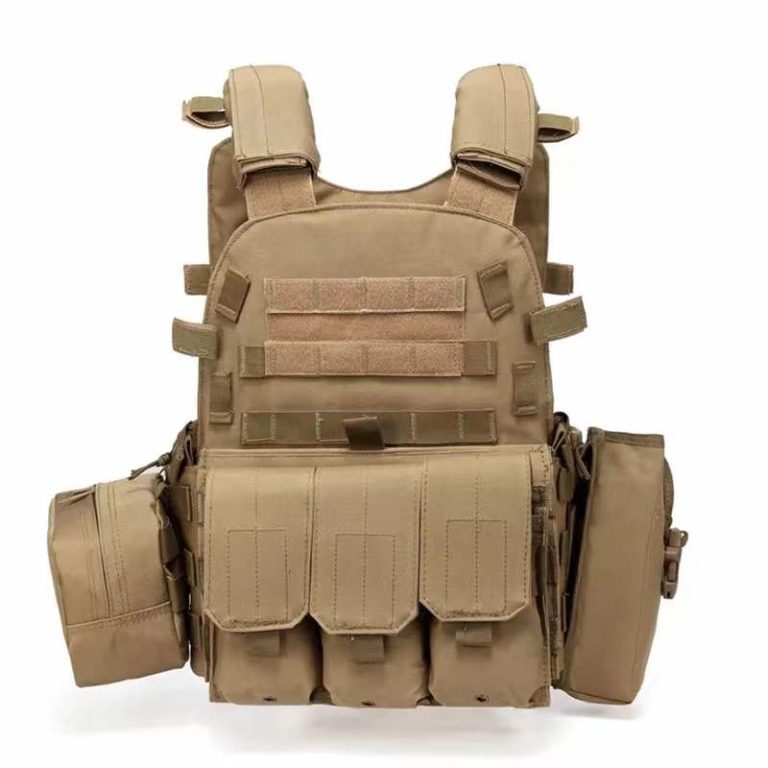
Importance of Proper Weight Distribution in Tactical Vest Setup
Weight spread matters a lot in a tactical vest setup. If the gear is not balanced, it leads to tiredness and less movement. Put heavy things like ballistic plates in the middle of your body. This keeps your balance point steady. Spread magazines evenly on the chest or sides.
Features like thickened cotton pads inside for more comfortable wearing soften the weight. They help during long tasks. Tactical belts, such as the Nine-piece Belt Set, move some weight to your hips. This belt holds heavy gear with a thickened cushioning layer in the waistband lining.
Good weight spread boosts stamina and ease of movement in busy places.
Storage and Accessibility: Pouch Placement Strategies
Smart storage focuses on quick use. Put often-needed items, like magazines and medical kits, on the front or side parts. This way, you can grab them fast. Store less common things, such as extra batteries or maps, in back pockets.
Vests like the Quick-wear Tactical Vest let you shift pouches around. They do this with their all modularized style. Aim for an even setup to keep balance. Make sure zippers or Velcro covers allow one-hand reach.
MOLLE webbing on vests and backpacks adds more ways to attach gear.
Integrating Hydration Systems into Your Tac Vest Loadout
Keeping water handy is vital in the field. Your tac vest loadout should have a hydration setup, like a water bladder or hydration backpack. The Backpack with Water Bag includes a 3L internal water bladder. It has a portable and hangable design. This makes it easy to pair with most tactical vests.
The backpack uses Oxford waterproof fabric, wear-resistant and breathable. So it holds up in rough areas. Place the hydration tube where you can reach it easily. Usually, this is over the shoulder. You can take sips without taking off your gear.
Think about hydration fit when you pick between a plate carrier vs tactical vest. Some plate carriers lack a back room for water packs. Unless they are built for add-on parts.
Communication Gear and Its Role in Tactical Vest Setup
Good talk links are key in any tactical job. Secure radios, earpieces, push-to-talk (PTT) buttons, and antennas on your vest. Do this without blocking your moves.
Lots of tactical vests have MOLLE-friendly radio pouches or shoulder loops. These help route cables neatly. Keep devices near your chest or collarbone. This gives fast access and cuts down on snags.
In your tactical vest setup, manage cables well. Make them snug but not too tight. This way, gear works right even with fast moves or in tough spots.
Balancing Protection and Mobility in Plate Carrier vs Tactical Vest Choices
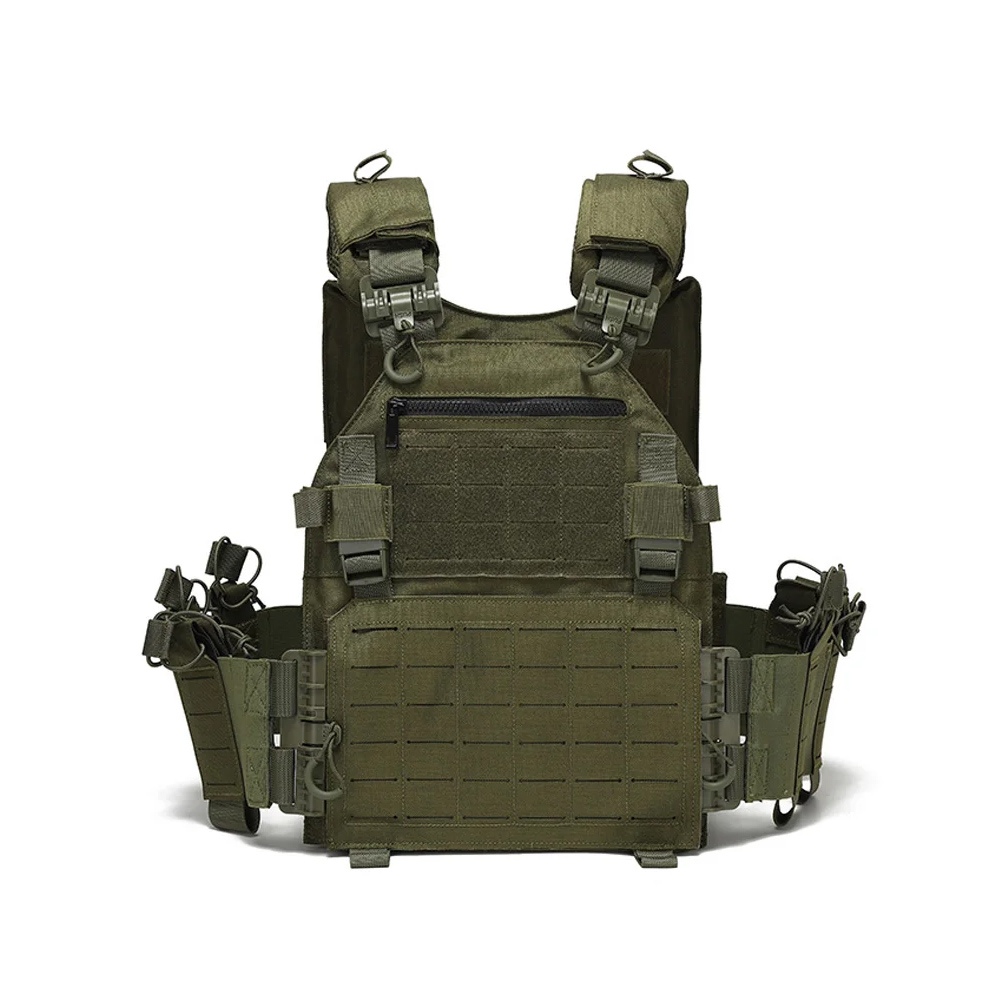
Knowing the plate carrier vs tactical vest differences aids in mixing safety with quickness. Plate carriers give better bullet stop with hard armor plates. But they weigh more. Tactical vests offer more ease with soft armor or none at all.
For example, the Quick-wear Tactical Vest lets you add bulletproof plates. It keeps air flow and comfort with thickened cotton pads and a flexible design. This is the best tactical vest for military operations.
Full plate carriers, like the Full Set of Bulletproof Vests, cover more areas. They include a bulletproof crotch triangle plate at the bottom and swappable safety layers. This is the modular tactical vest for law enforcement.
Choose based on your tasks. City fights might need full carriers. Scout jobs could pick lighter vests.
Customization Options for Mission-Specific Tac Vest Loadouts
Tactical vests need to fit various jobs. These can be city attacks, forest fights, or police rounds. Key custom parts include removable pouches, Velcro spots for ID or logos, hydration pouches, and special kits like first aid. The chest has Velcro to freely match the LOGO. This lets you add team signs or tags with ease.
For health prep, add kits like the M8 First Aid Kit. It holds over 20 basic emergency tools. These include hemostatic bandage*1, triangular bandage*1, gauze scissors*1. Tailor your tac vest loadout to the job. This boosts success, comfort, and safety for the user.
Maintenance Tips to Keep Your Tactical Vest Setup Ready
Regular care makes your tactical gear last longer. Check straps, buckles, Velcro patches, and zippers often for damage. Clean the vest with soft soap and warm water. Avoid bleach or machine washes. They can harm the fabrics.
For vests with bulletproof plates or liners, like the Full Set of Bulletproof Vests, take out the inside parts before cleaning. Store the vest flat in a cool, dry spot. Keep it out of the sun to stop fabric wear.
Look at hydration systems for mold or drips after use. Fix broken pouches or ripped webbing right away. Clean and working gear ensures top results when you need it most.
Frequently Asked Questions (FAQs)
1. What is the difference between a tactical vest and a plate carrier?
A tactical vest setup often has soft armor. It focuses on ease and comfort, which suits lighter tasks. On the other hand, a plate carrier adds strong bullet defense with hard plates. It fits high-risk jobs where safety comes first. Tactical vests work well for movement in safer spots.
2. How do I choose the right tactical vest for my mission?
When picking a tac vest loadout, think about your task type. For fast-moving jobs, a flexible tactical vest like the Quick-wear Tactical Vest is a solid pick. For heavy safety needs in army or police work, a plate carrier may be better. Balance ease, safety, and reach to match your setup.
3. Can I add bulletproof plates to my tactical vest?
Yes, many tactical vests, including the Quick-wear Tactical Vest, have modular capabilities. These let you add bulletproof plates for extra safety. This setup adapts to various tasks. It gives both movement and guard when required.
4. What should I consider when setting up the pouches on my tactical vest?
Pouch spots matter for quick use. Put common items like magazines and medical kits on the front or sides. This allows fast grabs. Keep less-needed things in back pouches. Flexible vests, like the Quick-wear Tactical Vest, let you change spots for best flow and even weight.
5. How do I maintain my tactical vest?
To care for your tactical vest, check it often for wear. Clean with mild soap and warm water. Make sure the hydration system has no mold or leaks. If it has bulletproof plates, remove them before washing to avoid harm. Store in a cool, dry place. This helps it last longer.


