
Keeping your tactical vest in good shape is key to comfort, safety, and lasting use. This holds true for a quick-wear tactical vest or a full tactical vest setup. Proper care makes sure your gear works well in tough spots.

Importance of Maintaining Your Tactical Vest
A tactical vest with steady care works better and stays strong longer. Dirt, sweat, and germs slowly harm nylon fabrics. They can also rust metal parts like buckles and zippers. Cleaning on a regular basis helps keep it comfy, too. Long tasks often bring heat and wetness to the vest.
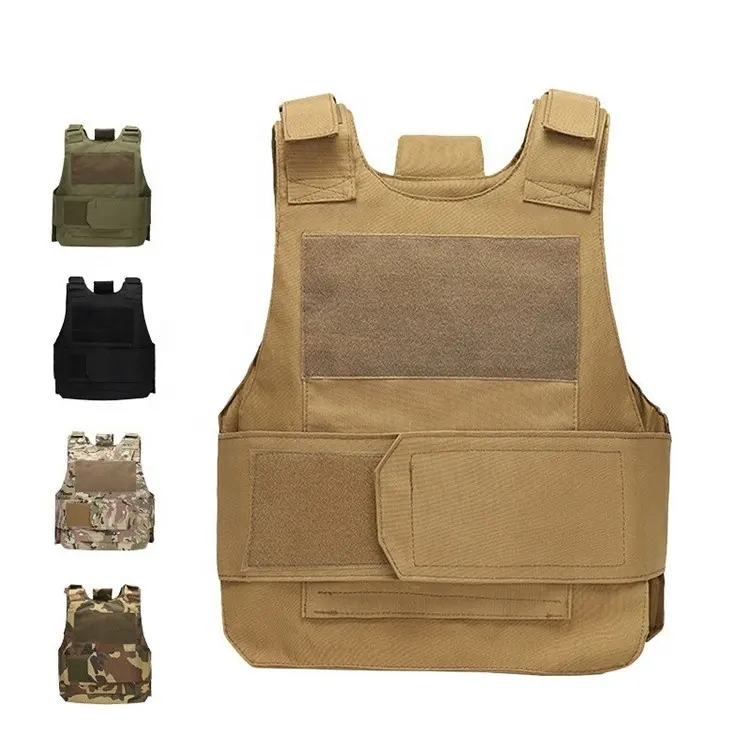
A spotless vest lets Velcro hold tight. It makes zippers slide easily. Plus, the inside padding keeps its form. This care matters a lot for setups like the Quick Wear Tactical Vest. It has thick cotton pads and airy cotton mesh lining. These boost ease during long wear.
Signs Your Tactical Vest Needs Maintenance
Check your vest often. Look for these usual red flags:
- Bad smells or clear spots on the outside
- Buckles or zippers that are loose or rusty and don’t slide well
- Velcro that doesn’t stick or MOLLE webbing that looks pulled
- Pouches that droop or a weight that feels off when you wear it
- Rubbing or less ease when you put on the vest
Once you see these problems, it’s time to wash or fix your gear.
How to Clean Your Tactical Vest Properly
1. Preparation Before Cleaning
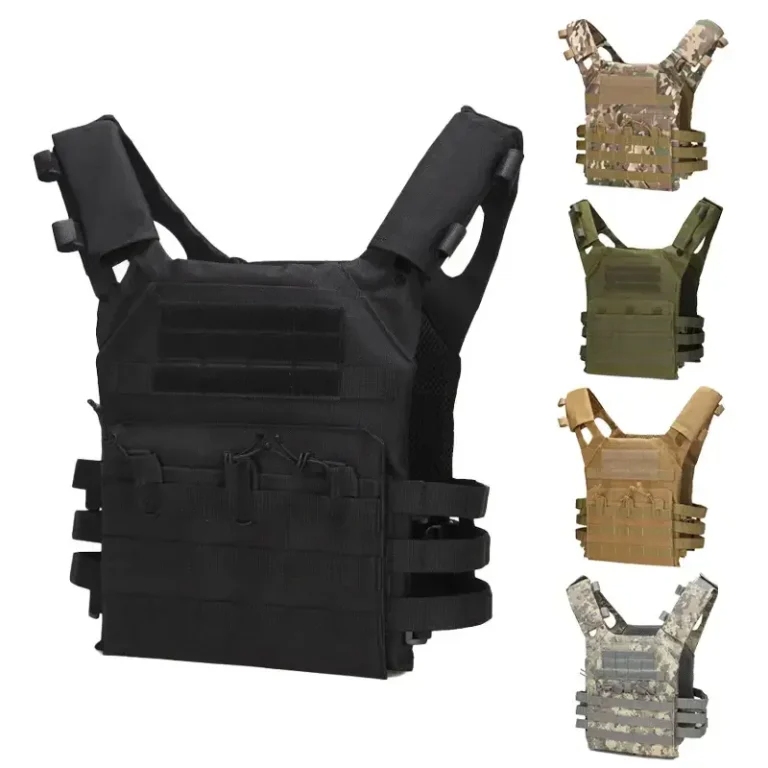
Take off all add-ons from your tactical vest first. That means pouches, water packs, tools, and armor plates. Washing each part on its own lets you clean every spot well.
Look at the maker’s tag for tips on the fabrics. Some materials can’t handle hot water or harsh soaps.
2. Cleaning Fabric and Padding
Mix warm water with gentle soap. Rub the vest softly with a soft rag or brush. Stay away from bleach or tough cleaners. They might hurt the threads.
Put extra effort into wet spots like the shoulders, back area, and under the arms. For items like the Quick Wear Tactical Vest, be careful with the cotton mesh lining. Don’t push or twist the inside padding hard.
Wash off with fresh water. Make sure no soap stays behind. Hang the vest in a cool, airy spot out of the sun. Let it dry on its own. Skip the washing machine or dryer. Heat can warp plastic bits or make colors fade.
3. Cleaning Hard Plates and Attachments
Don’t put hard armor plates in water. Just wipe the outside with a wet cloth. Then dry it with a clean towel. Check for breaks, bumps, or water harm that might cut protection.
Wash add-ons like Velcro, MOLLE clips, quick-release buckles, and zipper pulls. Swap out any old parts. This keeps things solid in the field.
Tactical Vest Cleaning Checklist
Use this list when you do upkeep:
- Take off all pouches and tools
- Pull out hard armor plates
- Brush away loose dirt
- Wash fabric with mild soap
- Clean the mesh lining gently
- Check Velcro and MOLLE webbing
- Wipe armor plates
- Air dry in a shaded area
- Reassemble after fully dry
Common Cleaning Mistakes to Avoid
Skip these usual slip-ups. They can cut short the life of your tactical vest:
- Machine washing the vest
- Drying under direct sunlight
- Using high-heat dryers
- Applying bleach or strong chemicals
- Folding or bending armor plates
- Storing the vest while still damp
Storage Tips for Long-Term Readiness
1. Best Practices for Storage Location
Keep your tactical winter vest in a cool, dry place. Sunlight can make colors go dull. Too much heat might soften the fabric cover or plastic bits. Wetness leads to mold or rot, mainly in the padding.
Hang it on a strong hook to hold its shape. Don’t stuff the vest in a bag or drawer for a long time.
2. Keeping Your Tactical Vest Setup Ready
Once it’s clean and dry, put back your key items in the way you like. Modular vests from Guangzhou Jingming Trading Co., Ltd. let you change things around. This fits different jobs.
Do a check each month on the seams, clips, padding depth, and MOLLE webbing. Ensure must-have stuff like first aid kits, flashlights, and radio tools work right. They should sit in the best spots.
Maintenance Tips for Different Armor Plate Materials
| Plate Material | Cleaning Method | Notes |
| PE Plates | Wipe with damp cloth | Keep away from high heat |
| Ceramic Plates | Gentle surface cleaning only | Avoid impact and pressure |
| Steel Plates | Dry thoroughly after wiping | Prevent rust and moisture accumulation |
Knowing the material lets you keep the shield strong in a smart way.
Conclusion
Steady upkeep makes your tactical vest comfy, safe, and set for tasks. Wash it right, check parts often, and store it well. This stretches how long it lasts. A cared-for tactical vest setup gives top results in drills and real action.
If you want strong, flexible, and cozy tactical vests for army, police, or outdoor needs, reach out to Guangzhou Jingming Trading Co., Ltd. Ask about product info, group prices, and custom help.
FAQ
How often should I clean my tactical vest?
Clean your vest after heavy use. Do this especially after practice or real work. For easy days, a monthly wash and quick look-over work fine.
Can I machine wash my tactical vest?
No. Machine washing hurts the padding, Velcro, MOLLE webbing, and zipper parts. Hand wash with mild soap instead.
What is the best way to dry a tactical vest?
Let it air dry in a shady, breezy spot. This is the safest pick. Stay away from hot things like heaters and dryers.
How should I maintain bulletproof inserts?
Take out the inserts before washing. Wipe them with a wet cloth. Look for cracks or swells. Never soak or bend ballistic plates.
Where can I buy high-quality tactical vests?
Guangzhou Jingming Trading Co., Ltd. sells many top-notch military grade tactical vests. They are tough against tears, let air through, work with modules, and slip on easily. Their Quick Wear Tactical Vest comes with thickened cotton pads and a breathable cotton mesh lining. This adds to the comfort.