

The growth of camouflage in the US military shows how battles, new tools, and key plans shape the gear used in fights. From plain olive drab to smart changing designs, military camouflage patterns have changed over the years. They offer better hiding and work well in many places. This piece looks at the story of US camo patterns, including classic uniform comparisons like bdu vs acu. It also covers how US military camouflage uniforms have grown to handle the problems of today’s wars.
1. The Early Days: Pre-World War II Camouflage
Long before camouflage turned into a key part of military outfits, old ways to hide were simple and rough. Soldiers would often use easy tricks. For example, they covered themselves with dirt or plants from nature. But these ways did not have the skill needed for new kinds of fights.
During World War I, the call for good camouflage grew strong. Other countries, along with the US, started to try out better designs. At first, the US military camouflage uniforms were basic. They used just one color, like khaki or olive drab. The goal was to mix into common spots.
2. World War II: The Birth of Modern Camouflage
World War II started the true rise of special camouflage for the US military. The launch of the M1942 camouflage pattern was a big step in military style. This pattern had spots of green, brown, and black. It aimed to break up the shape of soldiers in different natural spots.
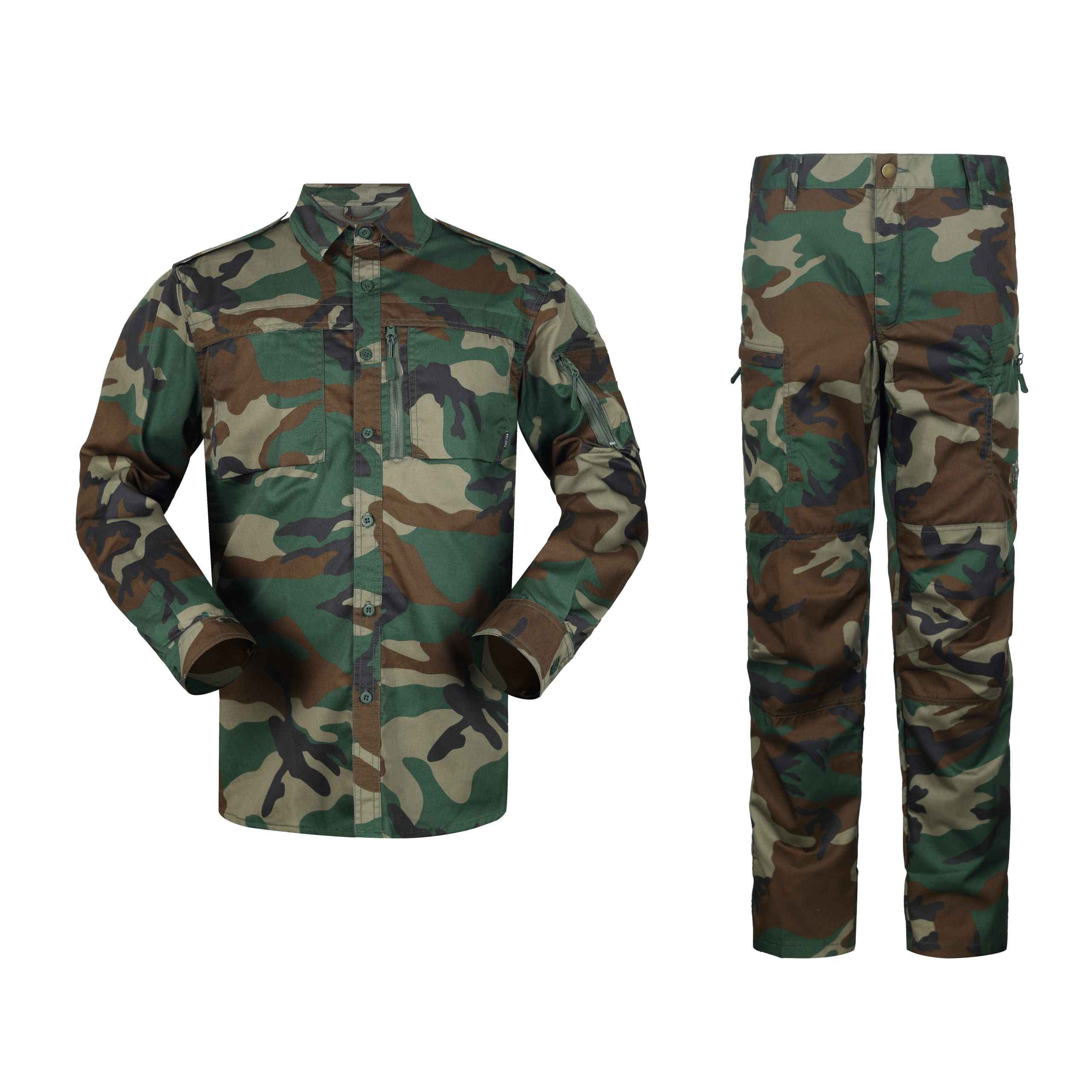
One of the best-known camo patterns from this time was the Woodland Camouflage. It became linked to the Vietnam War. The mix of deep greens, browns, and blacks made it work well in thick woods and jungle areas. This gave soldiers a clear edge in staying hidden and safe.
3. Post-War Development: The Woodland Camouflage
After World War II ended, the push for different camouflage patterns increased. The military saw that various lands needed their own styles. In the 1960s, as the Vietnam War went on, the Woodland Camouflage pattern got official use. It turned into the usual outfit for US military uniforms. Its strong results in jungle fights helped make it a main part of gear for many years.
Many people today still ask what is a bdu, and the answer traces back to this era when the Battle Dress Uniform (BDU) became the standard issue built around the Woodland pattern. The Woodland Camouflage was made to copy the look of woods and thick plant areas in Vietnam. It gave better hiding for soldiers in spots full of green growth. And so, the pattern stayed the top choice through the 1980s. The US military used it in many parts of the world.
4. The Gulf War: A Shift to Desert Camouflage
The Gulf War from 1990 to 1991 brought a fresh problem—fights in sandy lands. The US military answered with the 6-Color Desert Camouflage pattern. People often call it the “chocolate chip” pattern. This style mixed tan, brown, and black. It was built just for dry, sandy places like those in Iraq and Kuwait.
While desert camouflage worked well in the hot, empty areas of the Middle East, it also showed the need for more special and flexible patterns. The start of desert styles pointed to the military’s better grasp of the wide range of places where they fought.
5. The Digital Age: Digital Camouflage
As the 21st century began, the US military wanted a fresh take on camouflage style. This led to the making of the Universal Camouflage Pattern (UCP). It had a digital, block-like look. The aim was to boost hiding in many settings, such as city spots, woods, and sandy areas.
The UCP was meant to be a flexible fix. However, it got pushback for not working well in some lands. That was true especially in wooded and tree-filled areas. Even though the block pattern was a tech step forward, it was plain that the UCP did not fit every place.
6. The Emergence of MultiCam and OCP
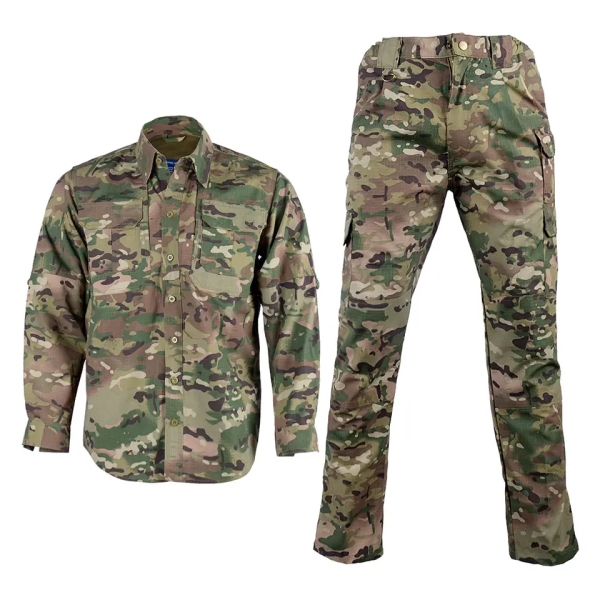
The military noted the weak points of the UCP. So, they brought in MultiCam in the late 2000s. This was made to do well in several settings. Those included woods, dry lands, and city zones. MultiCam was a clear upgrade. Its wide use made it the main choice for the US Army in far-off tasks.
By 2015, the Operational Camouflage Pattern (OCP) took over from the UCP. It became the usual style for the US Army. The OCP looked much like MultiCam. But it had small changes that made it better in a wider set of places. This pattern is still the standard for the US Army. It shows its flexible nature and up-to-date ideas. This is why modern uniform discussions often focus on bdu vs ocp as a key comparison in pattern evolution.
7. Modern Camouflage: The Future of US Military Designs
Right now, camouflage tech is testing new limits. The US military puts money into adaptive camouflage—fabrics that can shift their look based on the spot around them. This new tech offers a promise. It will help soldiers mix into their surroundings right away. That gives a real advantage in fast-changing fight areas.
Conclusion
The growth of US military camouflage uniforms mirrors the military’s strong promise to adjust to the always-shifting ways of war. From the old times of simple hiding tricks to the clever, all-around styles of now, US camouflage patterns have kept changing. They match the wants of soldiers in all sorts of fighting places. With new steps in tech, the coming days of camouflage will likely bring even more lively and fitting patterns. This will make sure soldiers can stay out of sight and safe, no matter what the fight ground looks like.
FAQs:
1. What was the first US military camouflage pattern?
The first widely used US military camouflage pattern was the M1942 camouflage pattern during World War II, featuring green, brown, and black patches.
2. Why did the US military adopt MultiCam and OCP?
The US military adopted MultiCam and OCP to create more versatile camouflage designs that could effectively blend into various environments like forests, deserts, and urban areas.
3. What is adaptive camouflage technology?
Adaptive camouflage technology refers to fabrics that can change their appearance to match the surrounding environment, offering soldiers real-time concealment advantages.
Are you looking for high-quality, customizable US military camouflage uniforms or tactical gear? At Guangzhou Jingming Trading Co., Ltd., we specialize in providing top-notch military uniforms, tactical vests, and other defense-related products. Our experience in supplying durable, effective camouflage designs for various environments makes us a trusted partner for military and security needs.