
Your vest must suit your task. Each type—lightweight or heavy-duty—offers distinct advantages. Understanding these differences guides better decisions.
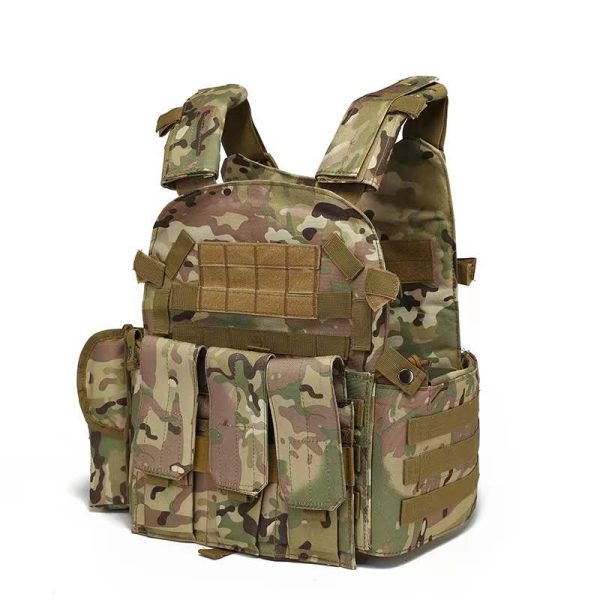
Structure and Materials
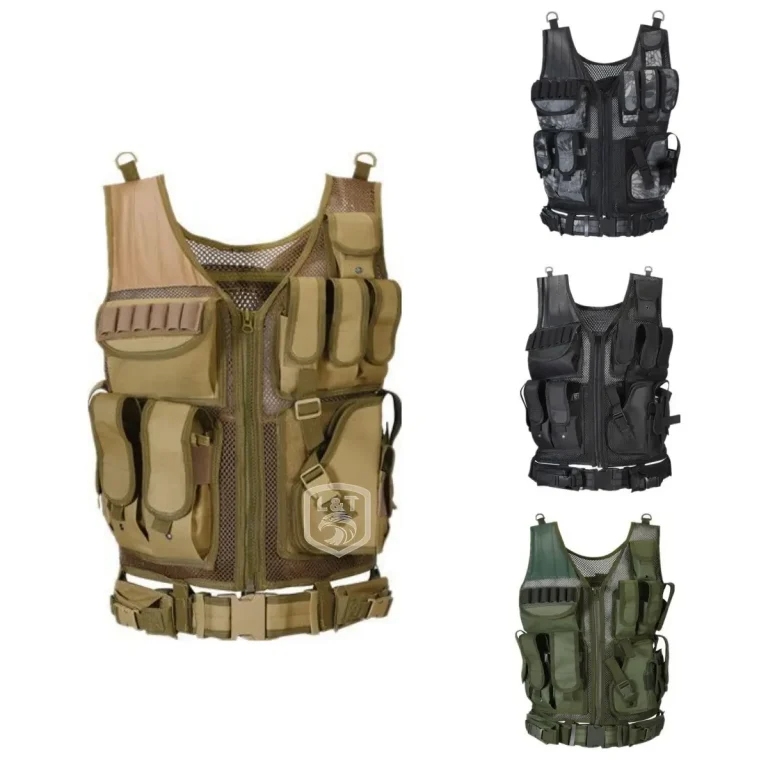
Lightweight vests depend on 600D–800D Oxford or nylon fabrics for simple wear and ventilation. Mesh linings reduce body heat, suiting extended duty periods. Heavy-duty models advance to 1000D nylon or strengthened Oxford cloth, featuring MOLLE panels and plate pockets that accommodate ballistic inserts.
For example, the quick-donning vest designs from Guangzhou Jingming Trading employs 1000D nylon with breathable mesh for ease and rapid fitting. A full set of bulletproof vests, in comparison, stacks aramid or PE with EVA padding to withstand impacts—perfect for riskier settings.
In essence, the lighter construction supports movement, while the robust one emphasizes comprehensive defense.
Core Functional Design
Lightweight versions stress speed and ease—ideal for patrols, range practice, or rapid-response units. Heavy-duty vests incorporate structure and safety: denser padding, MOLLE webbing for attachments, and sturdy slots for plates.
Contrast the Quick-wear Tactical Vest’s one-pull mechanism—excellent for swift application—with the full bulletproof set that shields neck, chest, and lower torso. Both ensure dependability, yet they address separate operational demands.
How to Choose Based on Mission and Environment
Your assignment, weather, and activity level determine the vest you select.
Hot and Humid Environments
In warm areas, light equipment can still hinder performance. Lightweight vests prove wiser here. Their mesh linings permit airflow and avoid overheating on prolonged patrols or outdoor assignments.
A 1000D nylon vest with cotton mesh inside strikes a balance between ventilation and toughness—suitable for muggy areas like Africa or Southeast Asia, where ease sustains efficiency.
High-Intensity Tactical or Riot Scenarios
When duties include riot management, checkpoints, or combat exercises, heavy-duty vests become vital. Their modular setups manage extra panels, shields, and pouches, providing operators with improved coverage and weight distribution.
Bulletproof sets with detachable liners and dense padding preserve comfort over lengthy operations while enhancing safety.
Law Enforcement vs Military Loadouts
Law enforcement groups usually prefer lightweight modular vests—they require nimbleness in city patrols and crowd handling. Military personnel, however, opt for heavy-duty carriers that support more equipment for prolonged tasks. Both appreciate simple adjustments, but troops demand toughness in harsh landscapes.
Key Performance Indicators When Comparing Both
| Feature | Lightweight Vest | Heavy-Duty Vest |
| Material | 600D–800D Oxford/Nylon | 1000D Nylon/Oxford |
| Weight | ≤ 1.5 kg | 2–3 kg |
| Protection Level | Non-ballistic / soft shell | Supports plates, NIJ IIIA–IV |
| Comfort & Breathability | High | Medium |
| Mobility | Excellent | Moderate |
| Recommended Use | Training, Patrol, Summer Duty | Combat, Riot Control, Security Guard Duty |
| Example Model | Quick-wear Vest | Full Bulletproof Vest |
This simple table clarifies the balance: select mobility when ease prevails, protection when security leads.
Pairing Tactical Vests with Other Equipment
A vest performs best within a full kit. Pair it with complementary items for optimal results.
Tactical boots like the M16 Boots provide anti-slip rubber soles and breathable lining, cutting tiredness during extended operations. A nine-piece belt set broadens storage choices for radios, pouches, or med kits via MOLLE connection. For extended missions, a 45L tactical backpack holds tools and hydration packs without extra burden. And for head safety, the FAST Bulletproof Helmet integrates smoothly with night vision or communication devices.
Customization and OEM Options for Bulk Orders
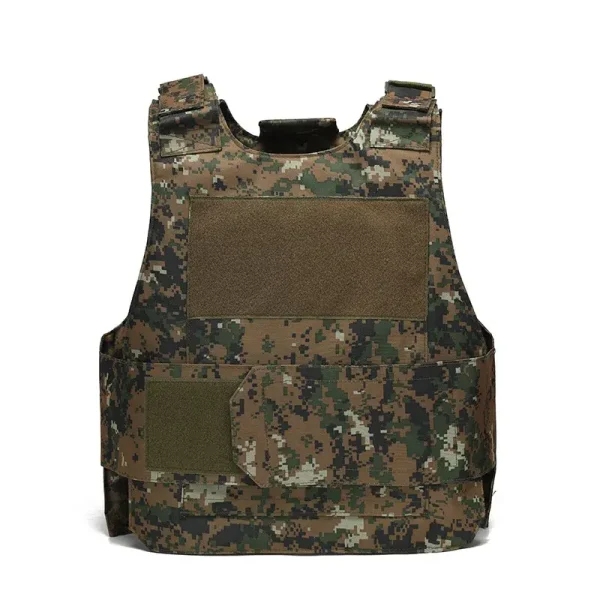
For large purchases, customization adds worth. Guangzhou Jingming’s 6,800 m² factory with 200 + staff manages OEM and ODM requests—handling all from fabric choices to logo positioning.
Clients may select camouflage shades, Velcro areas, or modular arrangements. With 100,000 + items in stock, the team meets both immediate orders and government-level projects with adaptable MOQs and shipping timelines.
Buying Tips and Quality Checklist
To prevent expensive errors, review these key points before ordering:
· Fabric rating: confirm 600D+ or 1000D nylon according to duty demands.
· Stitching & webbing: examine strengthening at seams and MOLLE areas.
· Fit: favor adjustable one-size systems for group buying.
· Verification: ask for pre-production samples and factory review videos.
Jingming’s process—sample confirmation before bulk making and complete checks before dispatch—ensures every delivery stays uniform and trustworthy.
FAQ – Tactical Vest Selection Questions
Q1: Can a lightweight tactical vest be upgraded to a bulletproof version?
A1: Yes. Modular vests with plate slots can hold aramid or PE plates rated up to NIJ IIIA.
Q2: What is the best vest for hot climates?
A2: Lightweight, quick-wear vests with mesh lining perform best under heat.
Q3: Do heavy-duty vests restrict movement?
A3: Slightly, but adjustable straps and thick pads keep mobility reasonable even under load.
Q4: Do you provide OEM and custom camo printing?
A4: Yes, Guangzhou Jingming offers full customization for colorways, Velcro zones, and tender specifications.
Conclusion – Choosing the Right Vest for Your Mission
In short:
· Go lightweight when speed, breathability, and agility matter most.
· Go heavy-duty when protection, durability, and gear capacity are top priority.
By partnering with Guangzhou Jingming Trading Co., Ltd., you gain both product flexibility and manufacturing reliability. Their export-ready models support tactical and defense needs across climates and missions.
In the world of military tactical gear, success starts with the right choice. Explore breathable tactical options for hot-weather missions, or choose quick-donning vest designs to stay mission-ready anytime.


